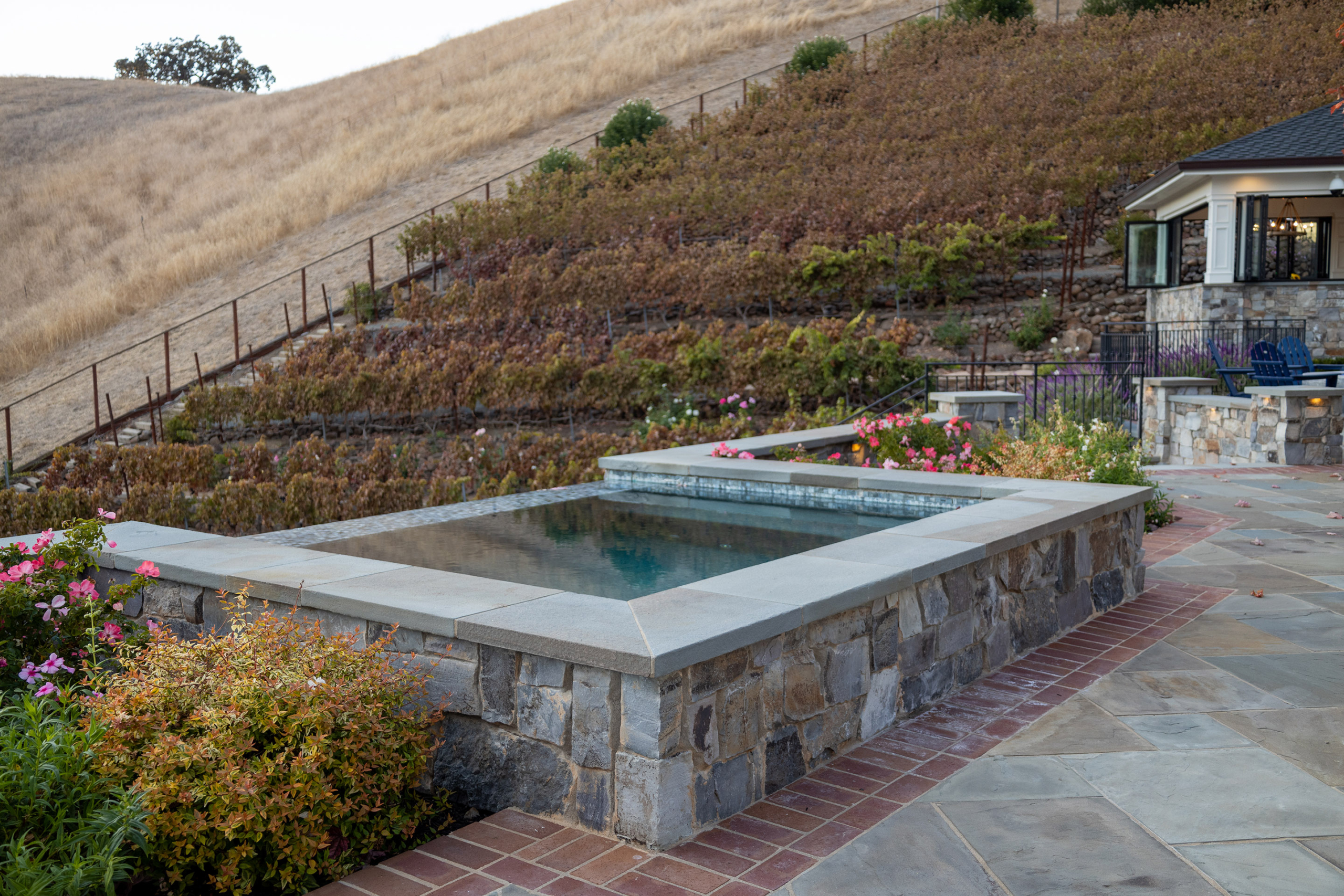
Transitional Landscape Design: Creating Timeless Outdoor Spaces
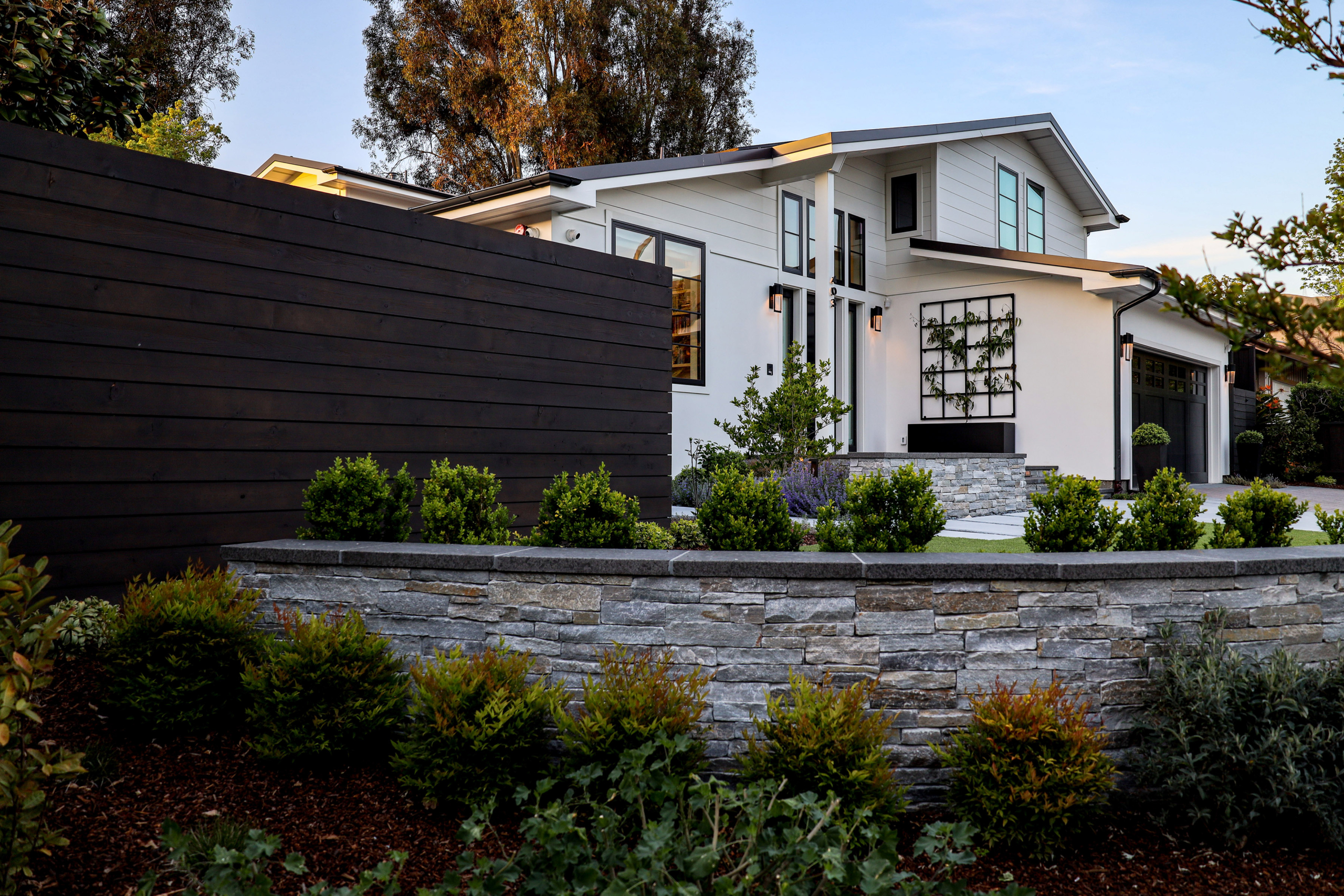
Transitional landscape design blends traditional and contemporary elements to create outdoor spaces that feel balanced, timeless, and highly livable. It combines clean lines with warmth, modern materials with classic forms, and is designed to evolve gracefully over time. Change is constant, yet the spaces we return to should feel grounded and enduring. At Montgomery Robbins, we design landscapes that balance what evolves with what remains—bringing together dynamic planting and seasonal life with a strong, lasting architectural framework.
This balance between the familiar and the new defines transitional landscape design. In the landscape, it allows a garden to grow, adapt, and mature without losing its sense of structure, intention, or identity. This approach is especially well suited to homes throughout the Bay Area, where outdoor spaces must respond to both lifestyle and environment.
What Defines Transitional Landscape Design?
The transitional nature of living landscapes is something we experience every day. Gardens are never static—they grow, shift, and evolve with time, season, and care. In transitional landscape design, this change is not something to resist, but something to plan for.
Even the most carefully designed garden is always in motion. Planting matures, materials weather, and unexpected conditions arise. Rather than fighting that reality, we design landscapes that anticipate it—creating a framework that allows change to happen gracefully, without compromising the overall structure or intent of the space.
This is where transitional landscape design becomes especially powerful. It creates outdoor environments that feel stable and composed, while still allowing for growth, adaptation, and renewal over time—an approach particularly well suited to homes throughout the Bay Area.
Timeless Elements in Transitional Landscape Design

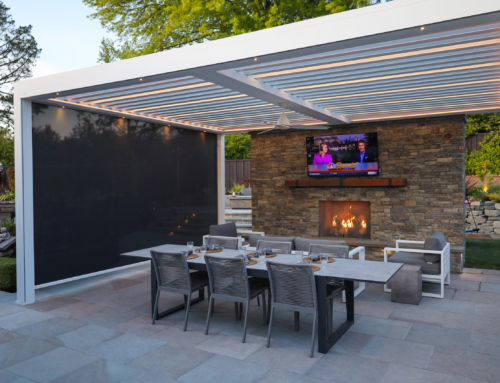
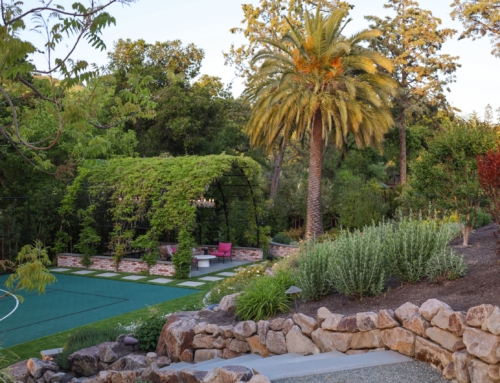
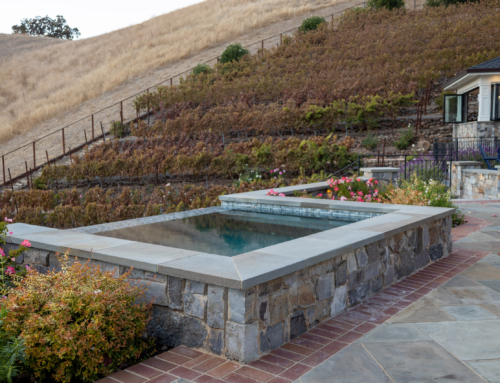
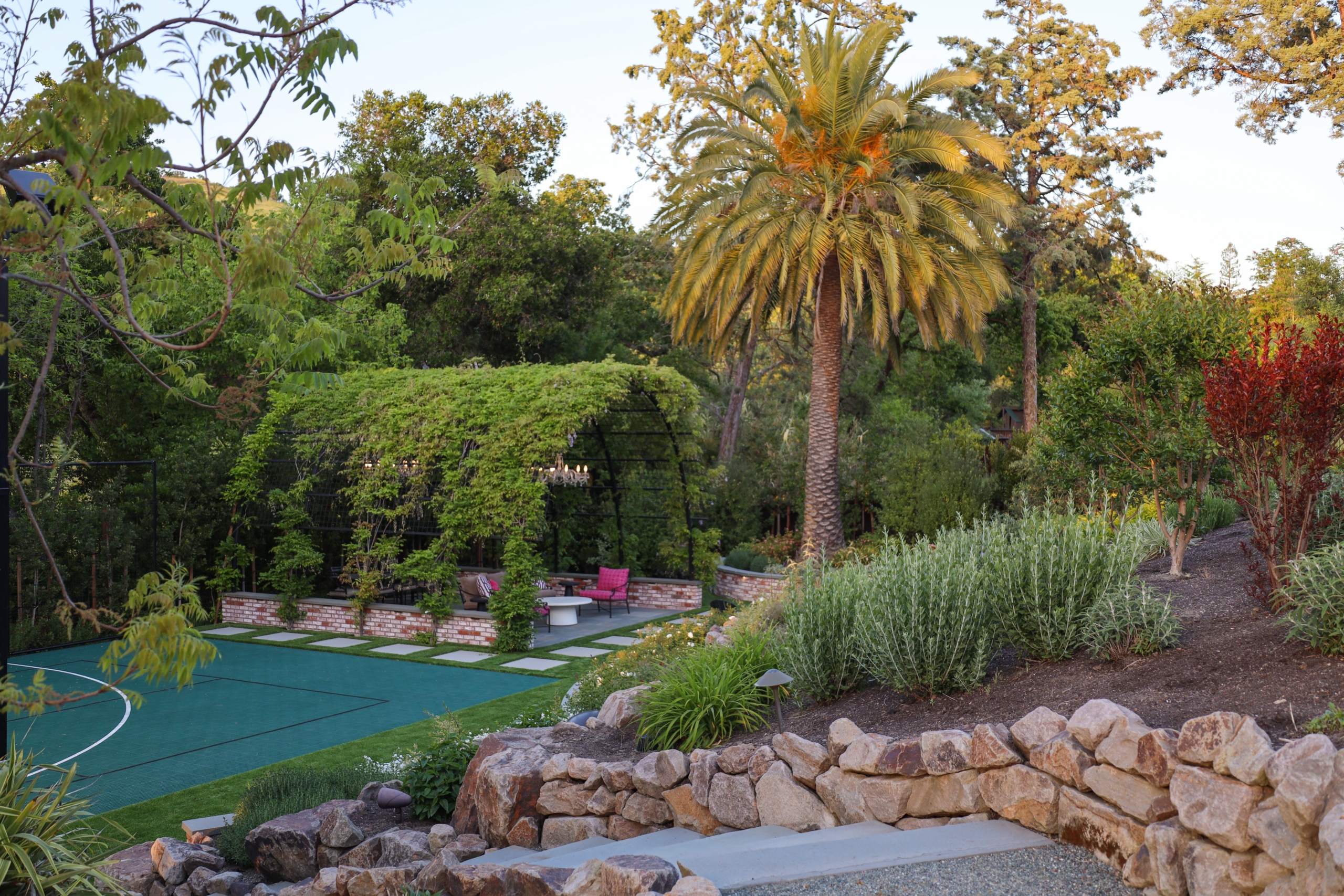
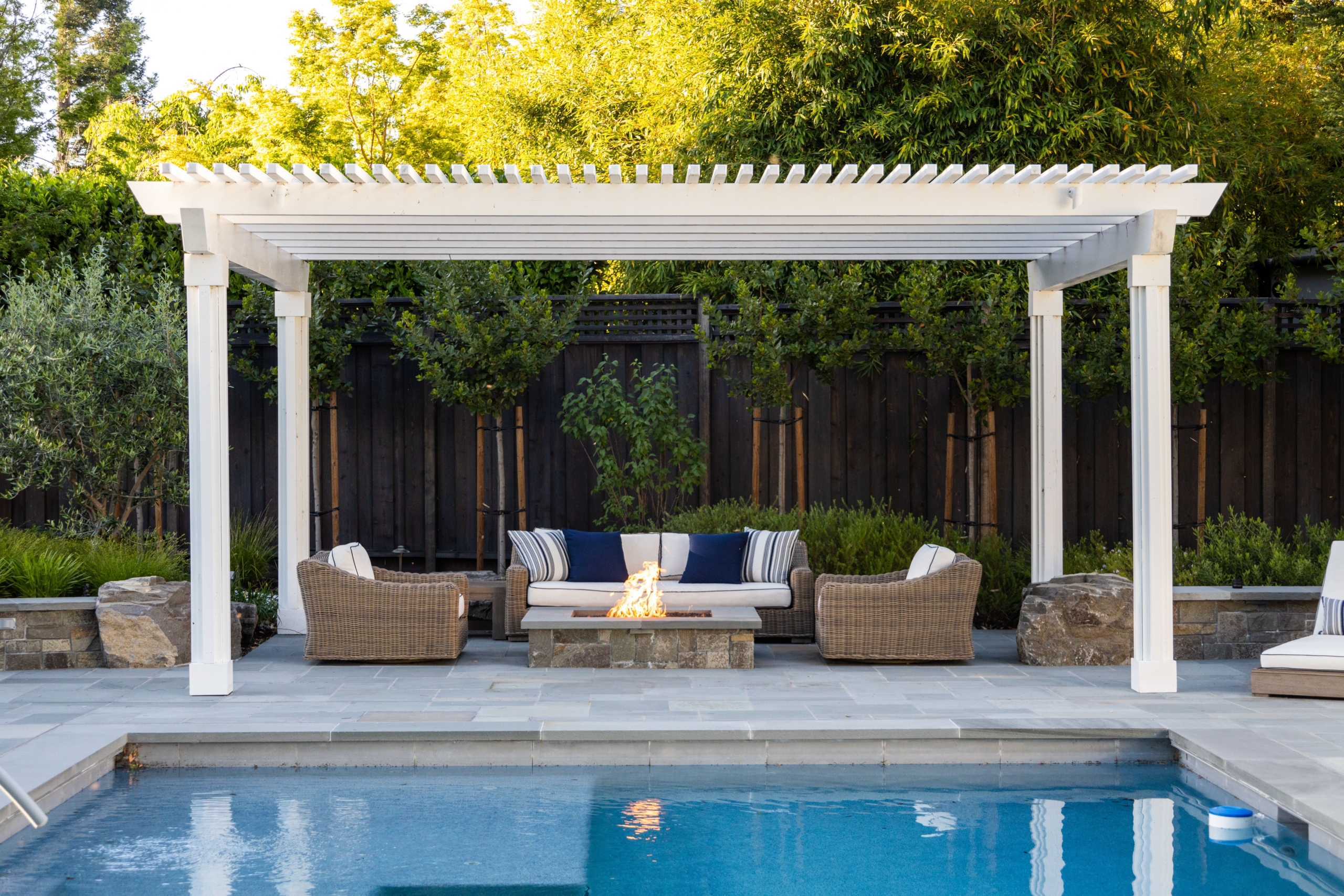
In transitional landscape design, timelessness comes from structure. While planting evolves and seasons shift, the underlying framework of a landscape provides continuity, balance, and lasting visual strength. Elements such as natural stone pathways, architectural walls, defined gathering spaces, and long-lived plantings create a foundation that supports the landscape over time. These features are not driven by trend, but by proportion, material integrity, and thoughtful placement—ensuring the space remains cohesive as it matures.
This balance between structure and change is what allows a landscape to feel both current and enduring. By anchoring the design with timeless elements, the landscape can evolve naturally without losing its sense of intention or identity. This focus on structure and longevity also contributes to the long-term value of a property, supporting a strong return on investment in landscape architecture.
Design for the Future

Creating something timeless requires looking beyond the present and designing with the future in mind. In transitional landscape design, we plan for how a space will evolve over five, ten, and even fifty years—considering how materials age, how planting matures, and how people will live within the landscape over time.
By balancing enduring structure with thoughtful flexibility, a well-designed landscape continues to support daily life while adapting to change. This approach creates outdoor environments that remain relevant, functional, and beautiful for decades—grounded in both the present and what lies ahead.
When John Montgomery first published his “Timeless and Transitional” article in Alamo Today, it reflected a belief that continues to guide our work today: that designing for life’s changes is just as important as creating beauty. At Montgomery Robbins, this philosophy remains at the core of every landscape we design.