Designing Pathways for Bay Area Residential Landscapes
photography by: Sarah Cosca
The Role of Pathways in Residential Landscape Architecture
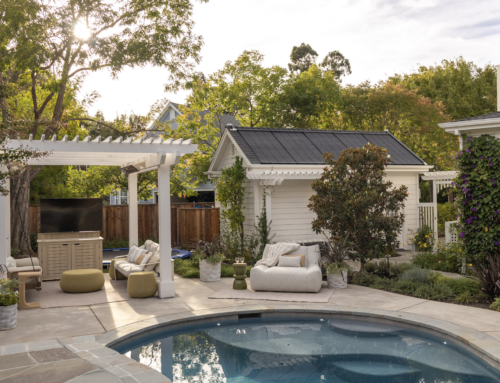
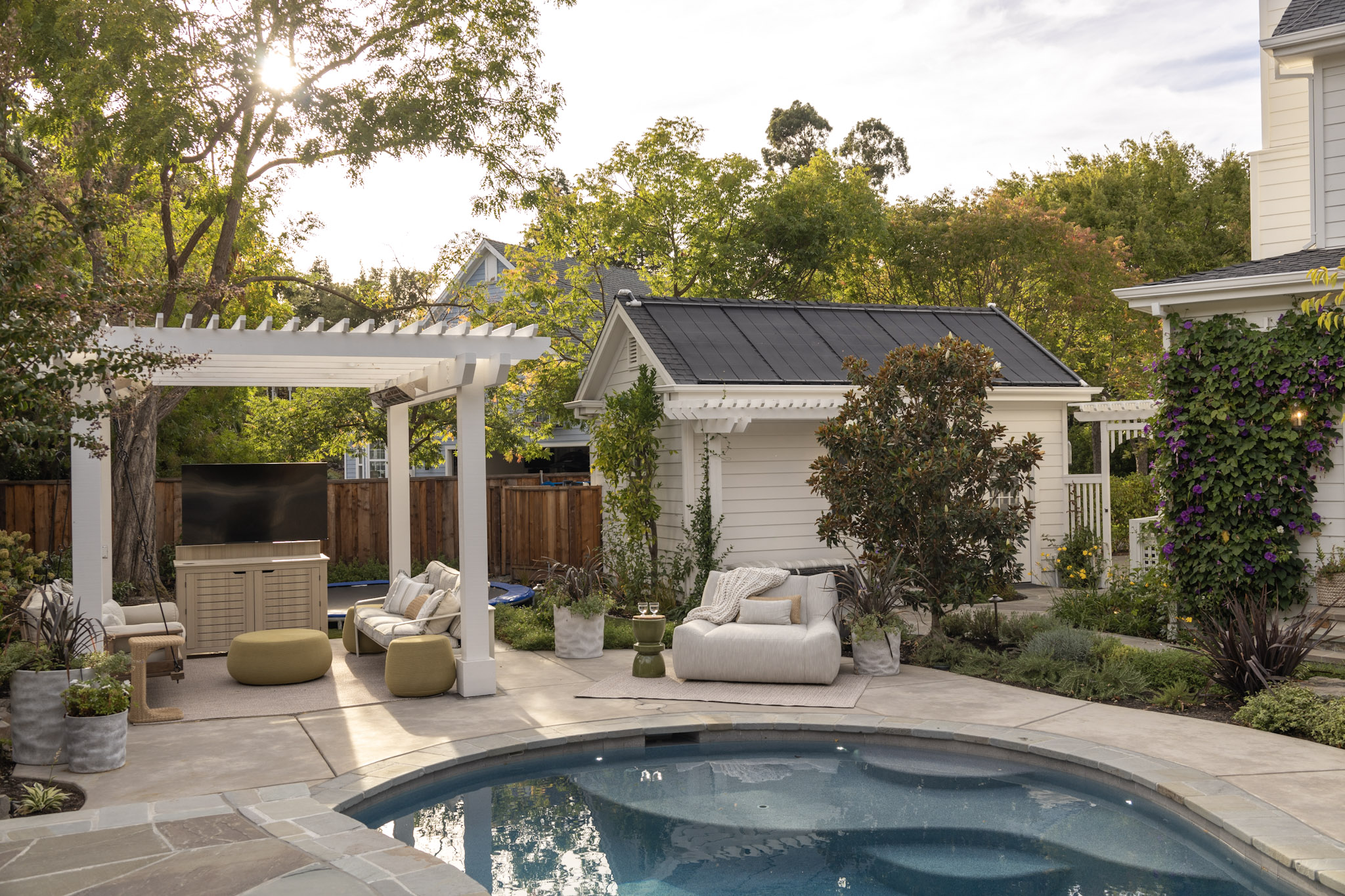
In residential landscape architecture, the experience of moving through a property is just as important as the experience of gathering within it. A thoughtfully designed pathway does more than connect one destination to another. It shapes circulation, guides movement, and influences how the landscape is experienced over time. Imagine a tranquil outdoor gathering space surrounded by garden areas beyond the home, where the transition itself creates a sense of calm and separation from daily life. At Montgomery Robbins, Inc., our Landscape Architects design pathways with this in mind, creating outdoor transitions that feel intentional, comfortable, and deeply connected to the surrounding landscape.
photography by: Sarah Cosca
How Pathways Shape Movement Through the Landscape
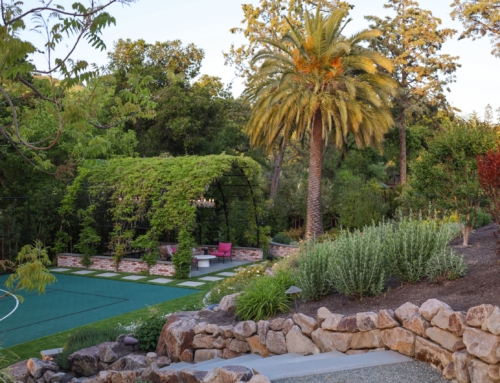
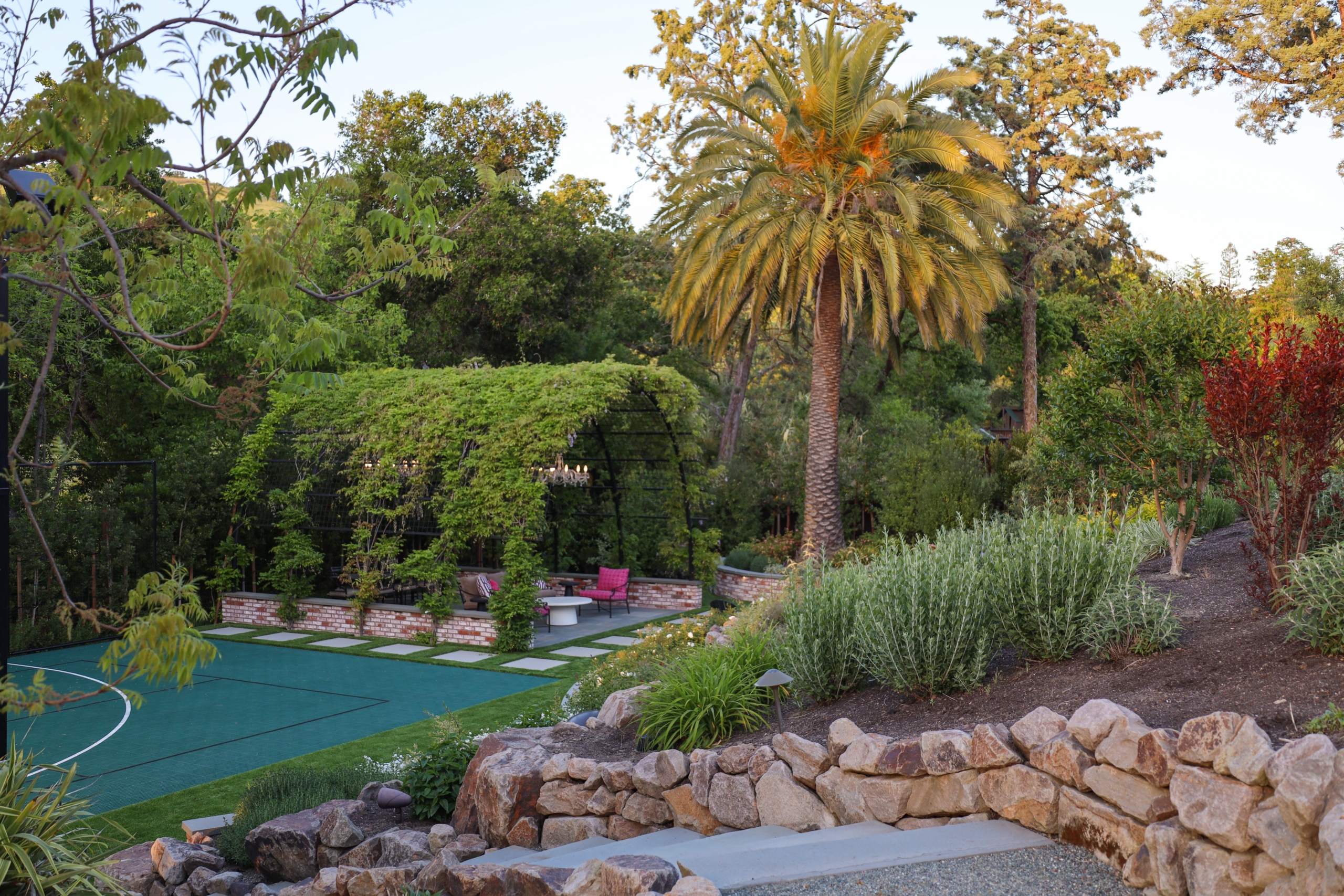
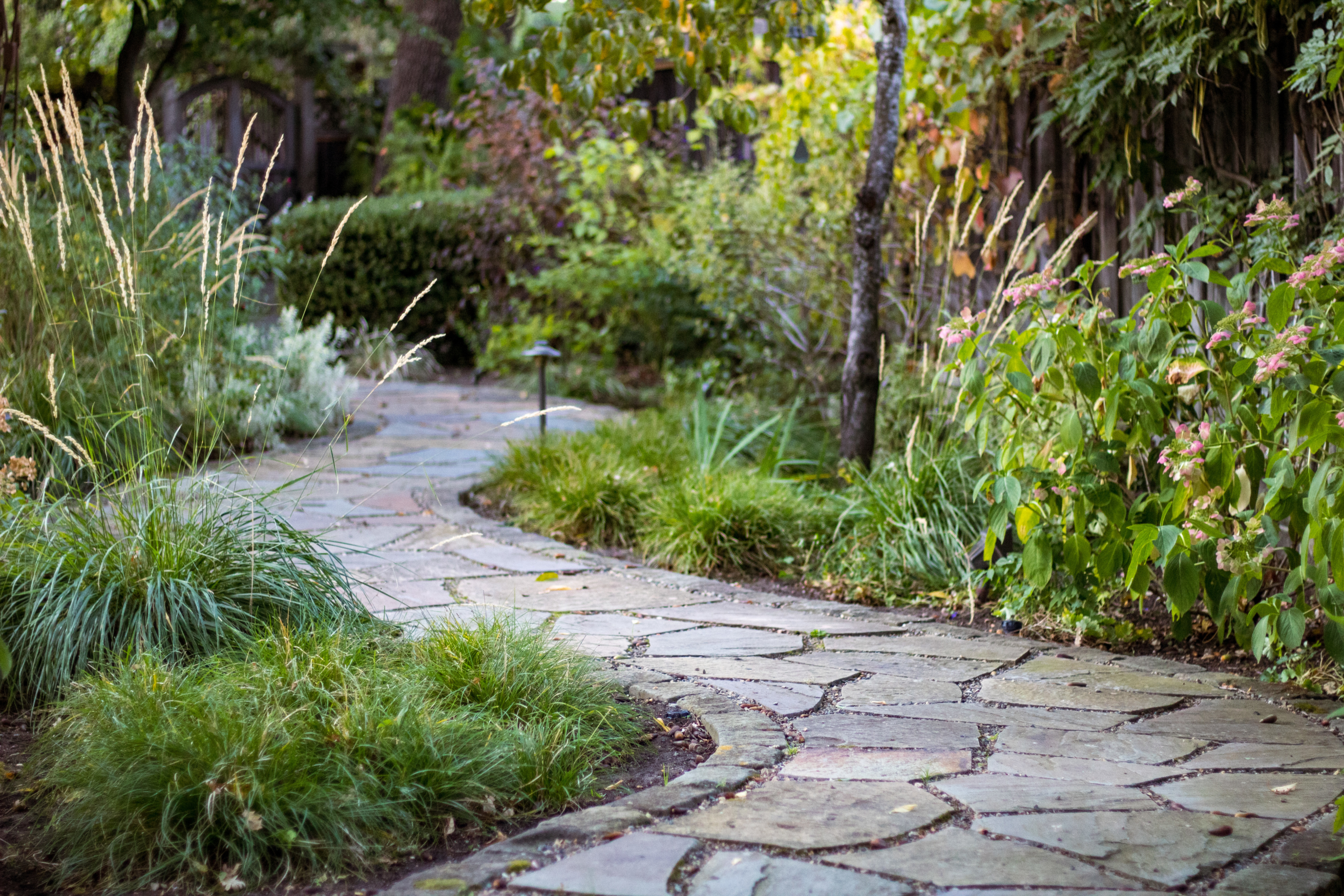
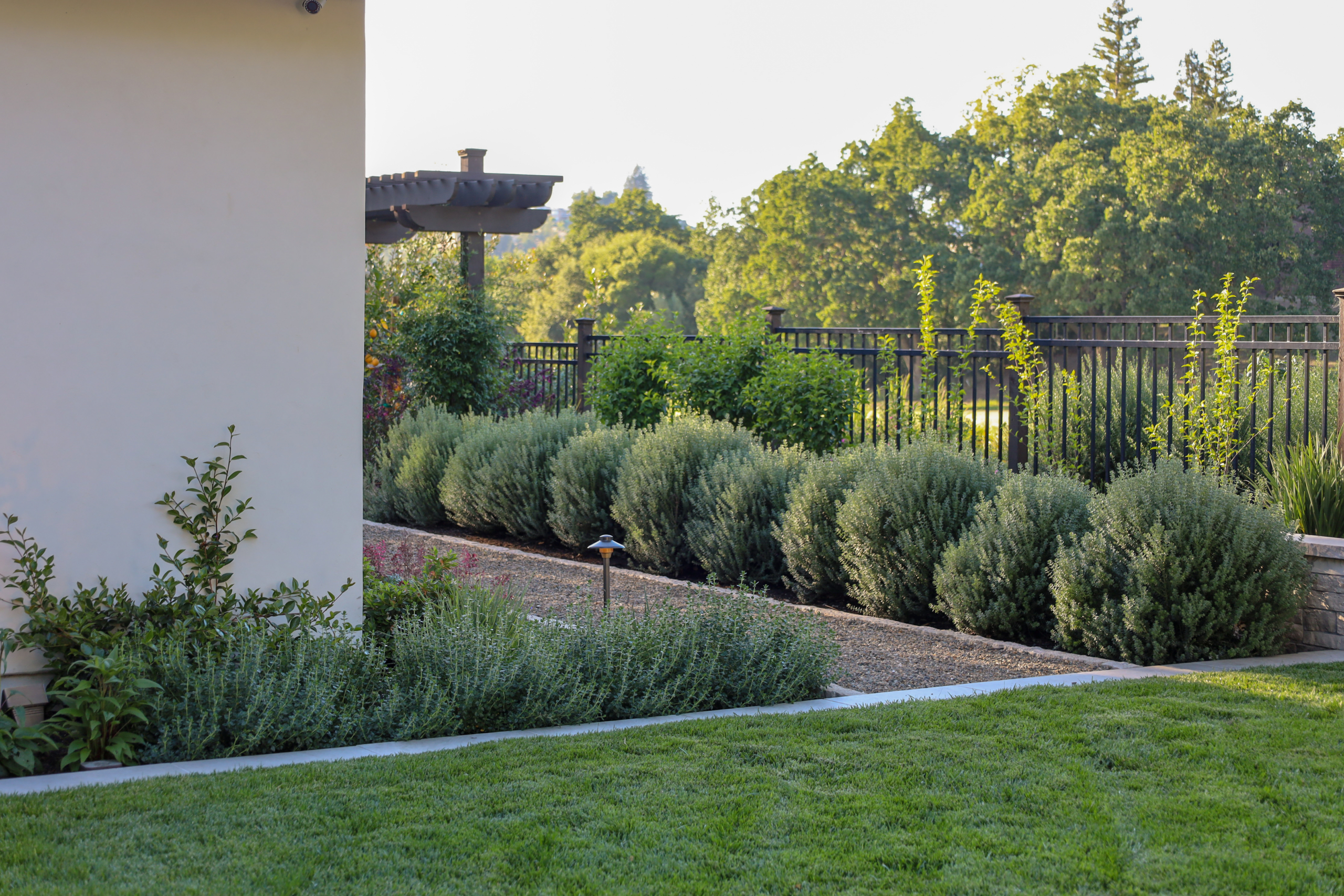
While every pathway has a beginning and endpoint, the journey between them creates an opportunity for thoughtful landscape design. Some paths guide movement directly and efficiently, while others slow the pace, leading visitors through gardens, past focal points, or toward framed views that unfold gradually throughout the property. In residential landscape architecture, pathways help organize circulation while shaping how the landscape is experienced emotionally and visually.
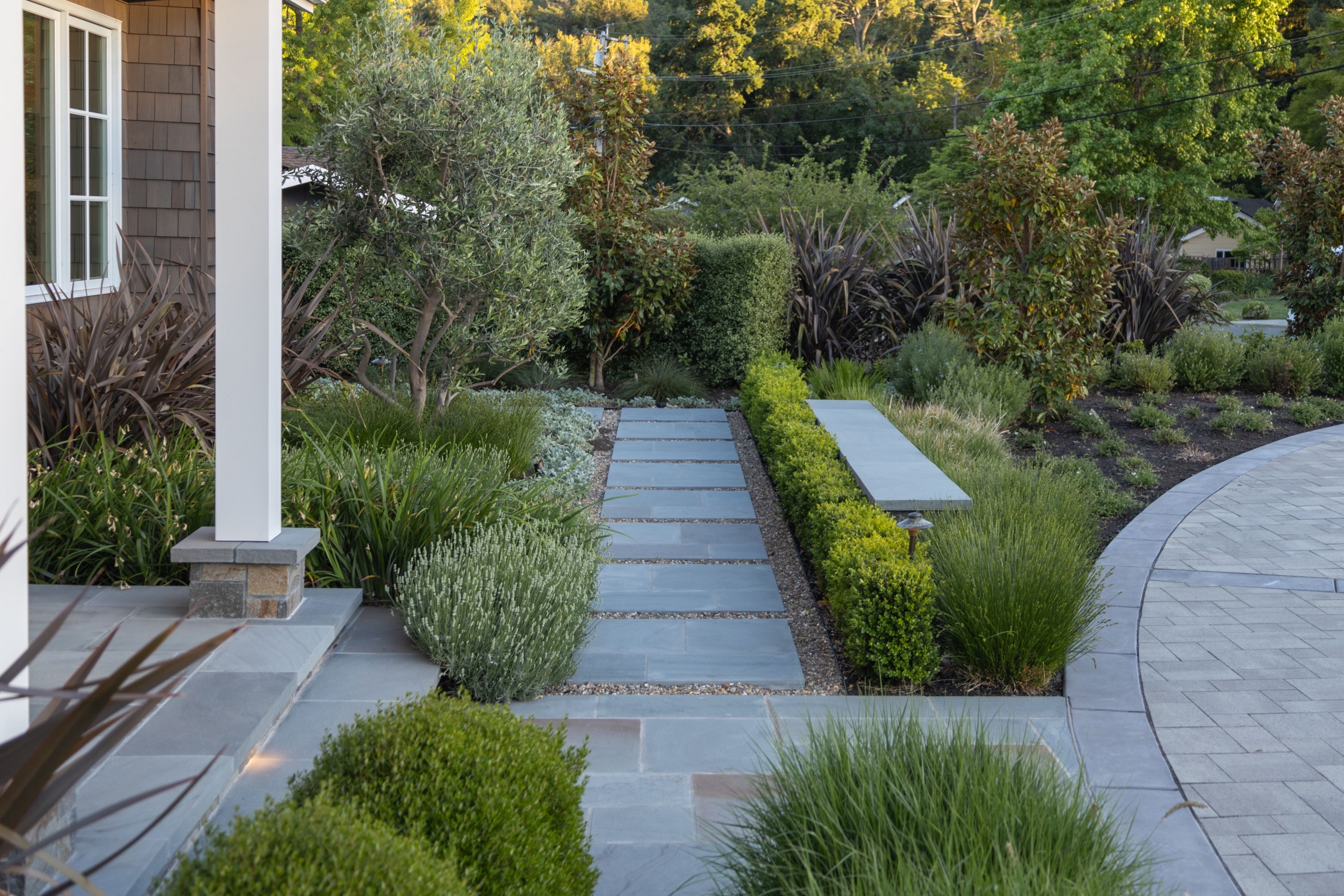
Even naturalistic garden paths are often grounded in underlying geometry that creates a subtle sense of balance and stability. In more contemporary landscapes, where architectural lines and structure play a stronger role, pathways may become more angular and defined to reinforce the relationship between the home and the surrounding outdoor spaces. Whether curved or linear, formal or relaxed, a well-designed pathway should feel intentional, comfortable, and seamlessly connected to the landscape around it.
photography by: Sarah Cosca

photography by: Sarah Cosca
Creating Experience Along the Journey
The experience of moving through a landscape is often shaped by what unfolds along the way. In thoughtfully designed residential landscapes, pathways become more than circulation routes. They create rhythm, reveal views gradually, and establish moments of transition throughout the property.
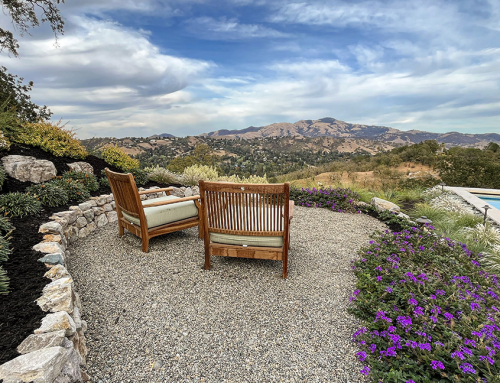
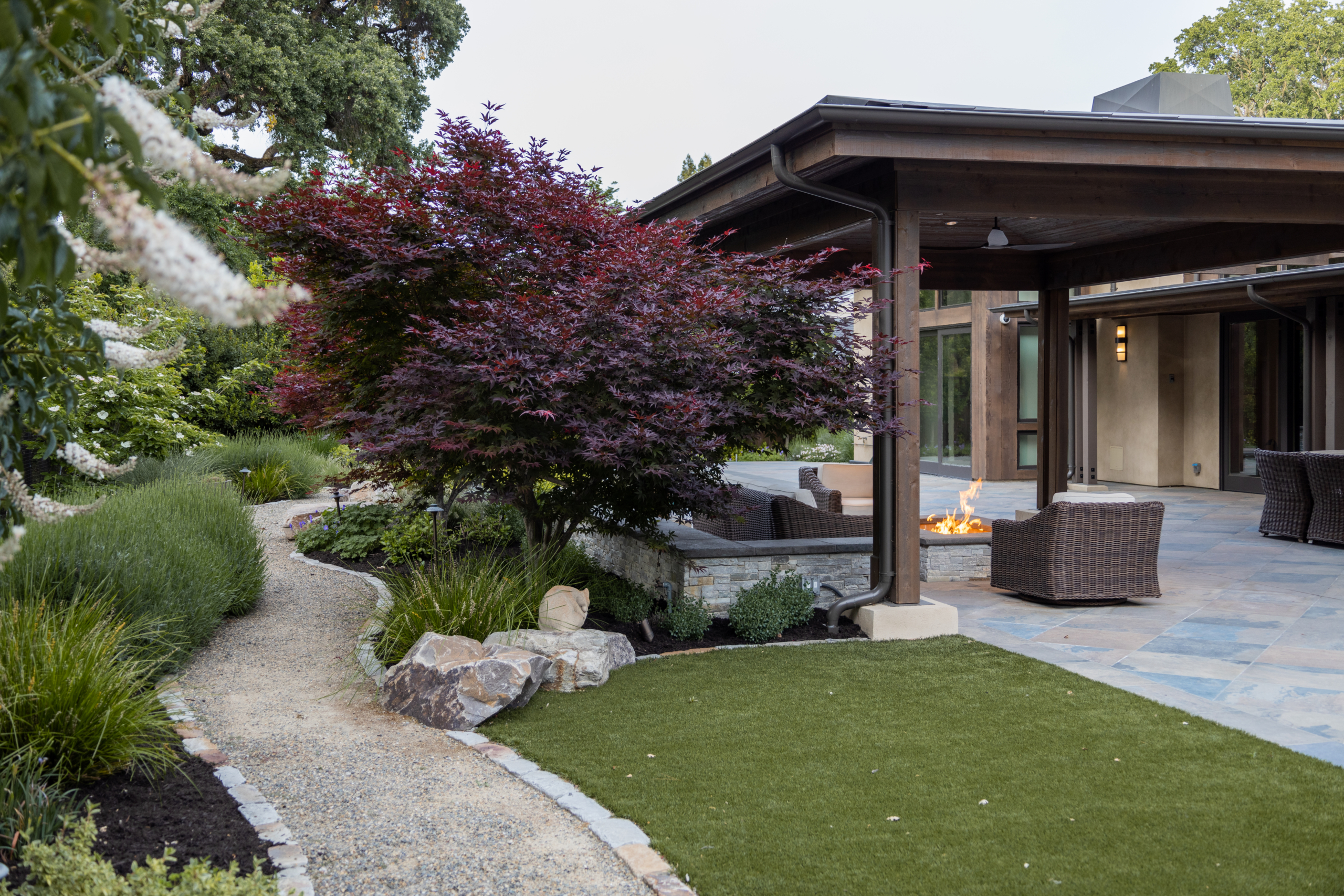
A pathway may begin with a gate, planting arrangement, or architectural element that signals a shift in atmosphere and pace. As movement continues through the garden, layered planting, ornamental grasses, water features, and framed views begin to shape the experience more fully. A bench positioned beneath trees may encourage pause and reflection, while a gentle change in grade or a series of steps can create a subtle sense of progression and arrival.
These moments help outdoor spaces feel larger, more immersive, and more connected to the surrounding landscape. Even on properties where destinations are physically close to the home, thoughtfully designed pathways can create a feeling of retreat, separation, and discovery throughout the landscape experience.

photography by: Sarah Cosca
Pathway Materials and the Experience of Movement
In residential landscape architecture, the experience of movement is shaped not only by what is seen, but also by what is felt underfoot. The material and texture of a pathway influence pace, comfort, sound, and the overall atmosphere of the landscape. From the crunch of gravel to the smoothness of stone or concrete, pathway surfaces can subtly affect how people move through and interact with outdoor spaces.
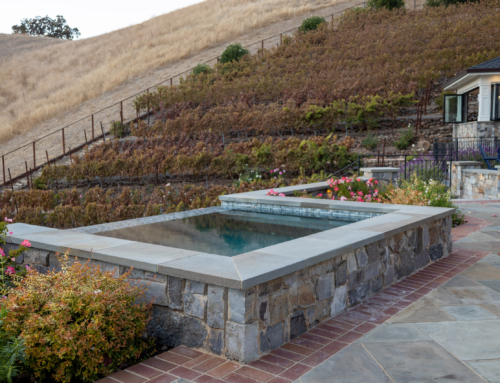
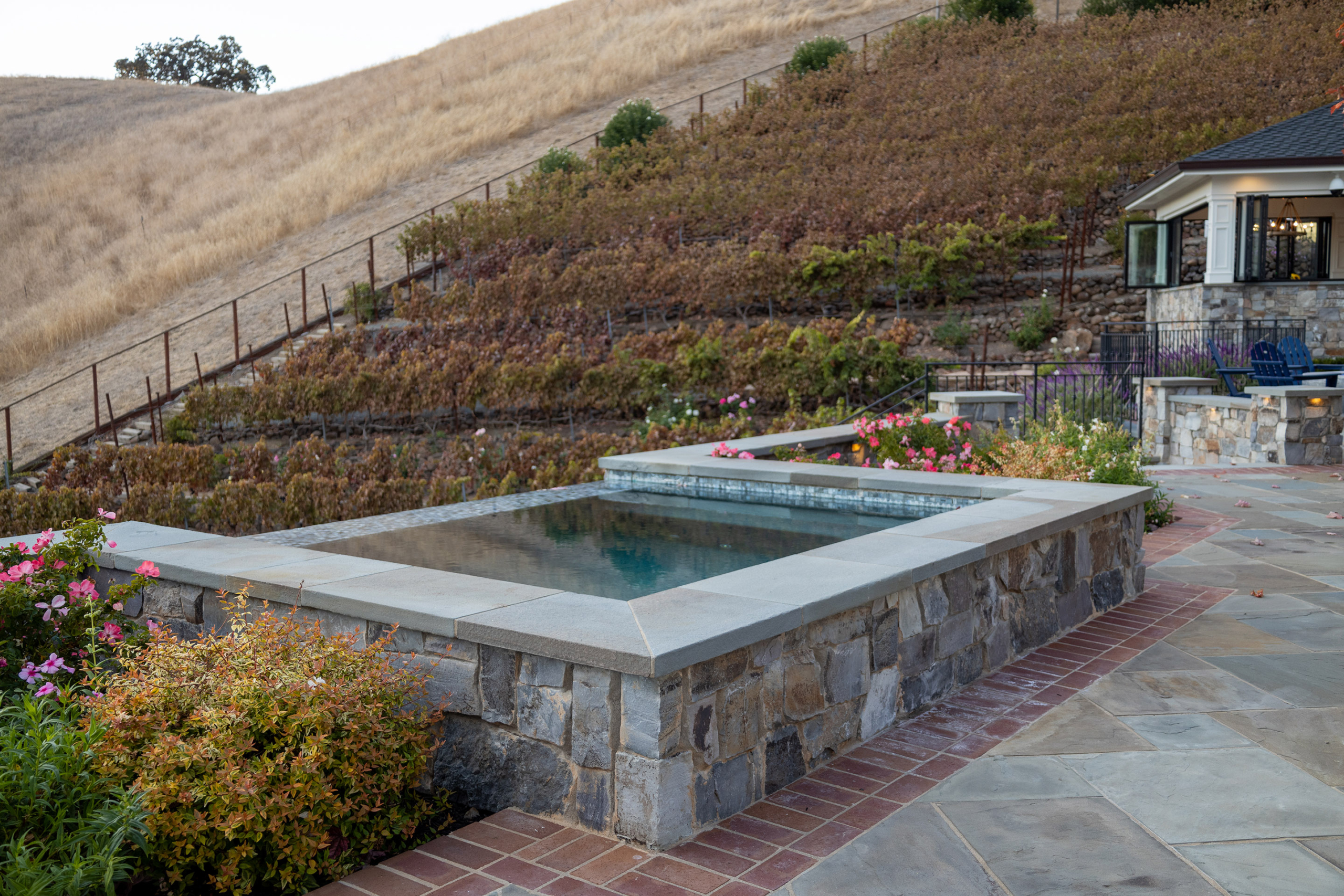
Some pathways are intentionally designed to slow movement and encourage awareness of the surrounding garden. Natural flagstone, textured materials, and informal stepping paths can create a more relaxed and contemplative experience, where movement through the landscape feels gradual and immersive. In other settings, particularly along frequently traveled routes or pathways used at night, smoother surfaces with stable footing may be more appropriate for comfort, accessibility, and ease of circulation.
Material selection also helps reinforce the overall character of the landscape. Contemporary homes may call for cleaner lines and refined paving patterns, while more naturalistic gardens often benefit from softer textures and materials that feel integrated into the surrounding environment. A thoughtfully designed pathway should feel visually connected to the architecture while remaining comfortable and intuitive to navigate every day.
photography by: Sarah Cosca
Pathways play an important role in how residential landscapes are experienced, connecting outdoor spaces while shaping movement, atmosphere, and daily use throughout the property. Whether designed for a contemporary home, a relaxed garden setting, or a larger estate landscape, thoughtfully planned pathways help create a stronger sense of flow, comfort, and connection between architecture and the surrounding environment.
At Montgomery Robbins, our Landscape Architects approach pathways as part of the larger landscape experience, carefully considering circulation, materials, grading, planting, and the character of the property as a whole. The result is an outdoor environment that feels cohesive, intuitive, and designed to be lived in over time.
If you are planning a residential landscape project in the Bay Area or beyond, we invite you to contact our studio to discuss your property and the possibilities for your outdoor spaces.