Designing the Arrival Experience
The entry to a home does more than create curb appeal—it establishes how the property is experienced from the moment you arrive. In residential landscape architecture, this “arrival sequence” shapes first impressions, daily routines, and how naturally a home feels connected to its surroundings. While there are many ways to enhance an entrance, the most successful designs are grounded in clarity, proportion, and flow. Feng Shui speaks to the entry as a gateway for energy, and whether viewed through that lens or through design, the principle holds: a well-considered entrance creates a sense of ease, direction, and quiet confidence.
At Montgomery Robbins, we approach entrances as part of a larger system—where circulation, materials, and planting work together to guide movement and define the experience of coming home.
Defining the Entry Through Clarity and Direction
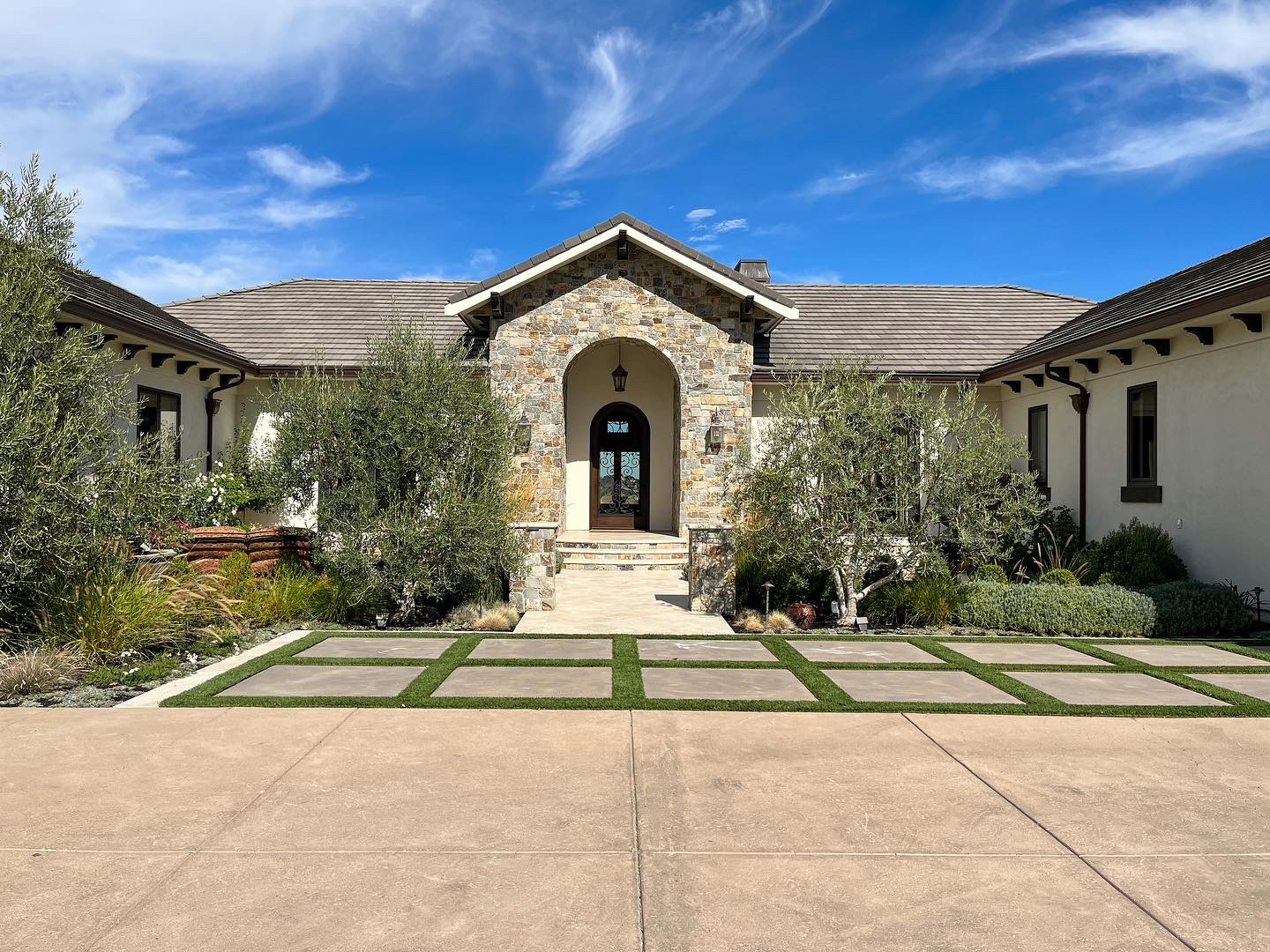
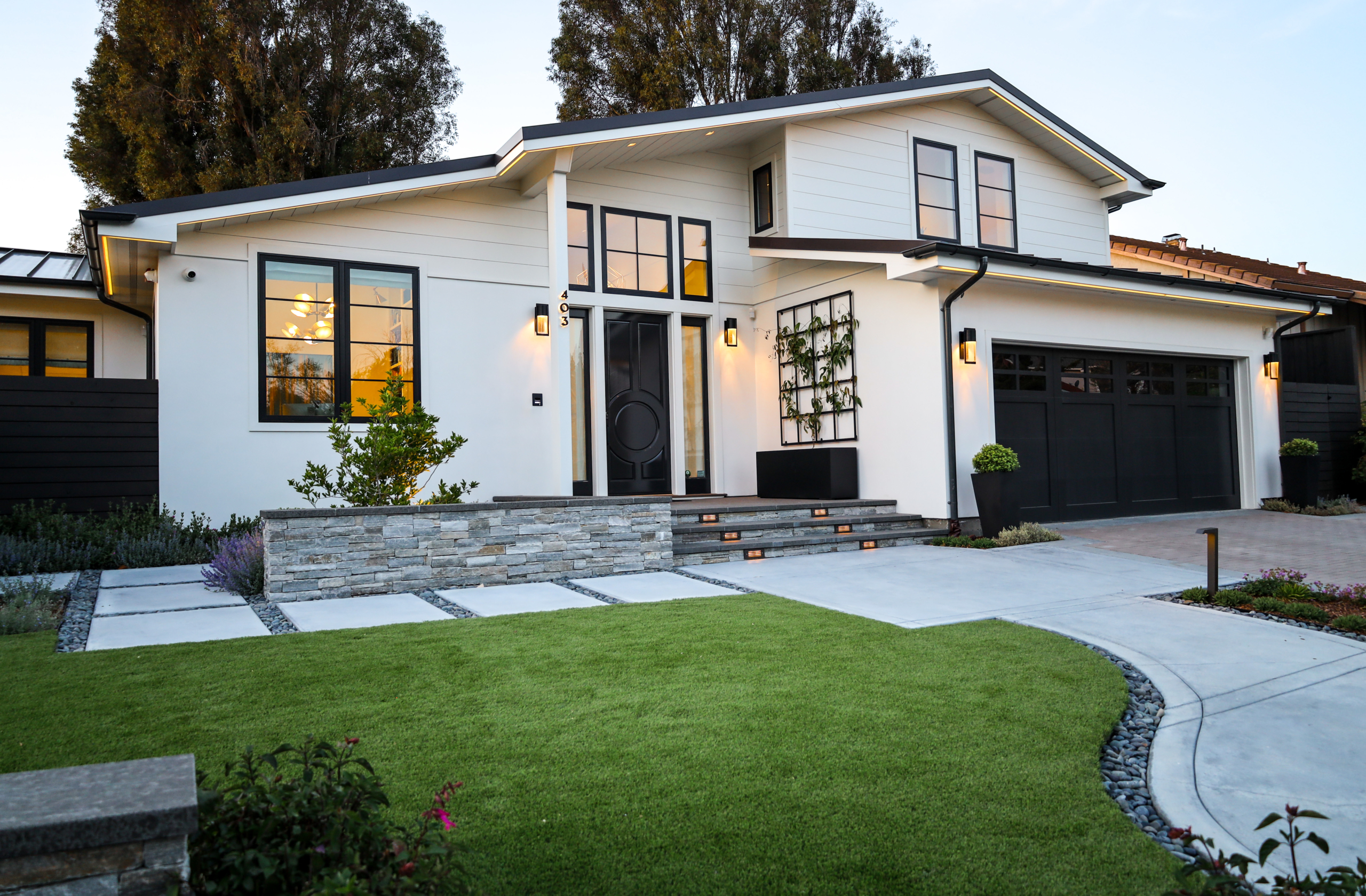
One of the most common challenges in residential landscape design is a lack of clarity at the front of the home. If visitors have to search for the front door or navigate around obstacles to reach it, the entrance is not fully resolved. A well-designed entry uses clear circulation and visual cues to guide movement naturally toward the front door. When the path is legible and intentional, the landscape immediately feels more cohesive and considered—not only for guests, but for everyday moments like deliveries and daily use.
In the example above, strong geometry and symmetry work together to define the entry, while planting and lighting reinforce the direction of travel. Every element supports the same goal: making the point of arrival obvious, comfortable, and easy to navigate.
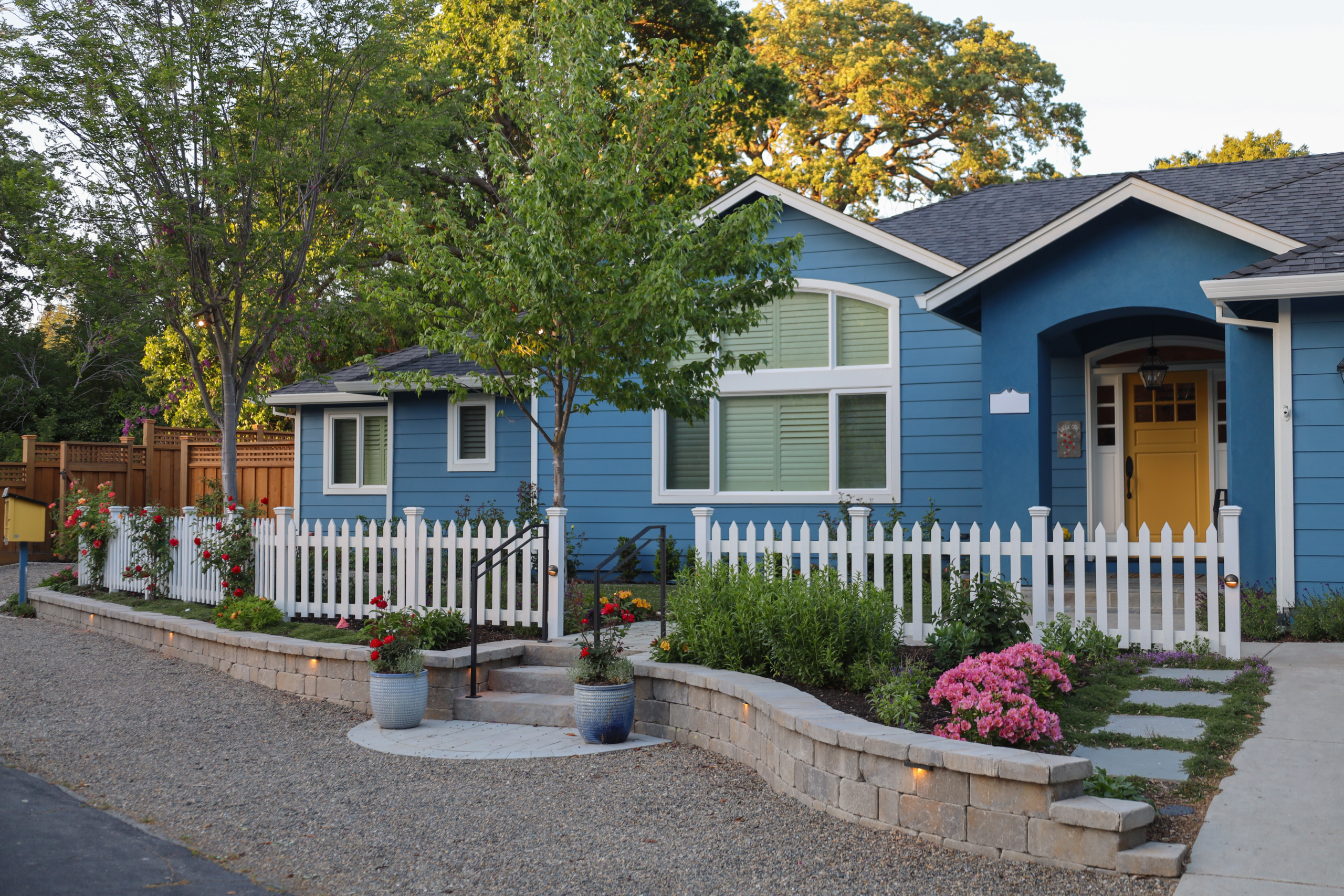
A successful entrance feels connected to the architecture of the home rather than added onto it. When the landscape reflects the home’s style, proportions, and materials, the entire front approach becomes more cohesive and natural. In more traditional or residential settings, this connection is often achieved through a clear and welcoming path that feels appropriately scaled. Walkways should comfortably allow two people to move side by side, reinforcing ease of movement and everyday use. Materials, colors, and detailing that relate back to the home help unify the experience from the street to the front door.
In the example above, the entry is defined through a combination of gentle curves, layered planting, and low walls that guide movement without feeling rigid. These softer elements echo the character of the home while creating a sense of approach that feels inviting and intuitive. Subtle lighting further reinforces the path and strengthens the connection between the landscape and the architecture. Even these small, thoughtful decisions can significantly shape how a home is experienced.
Designing the Arrival Experience on Larger Properties
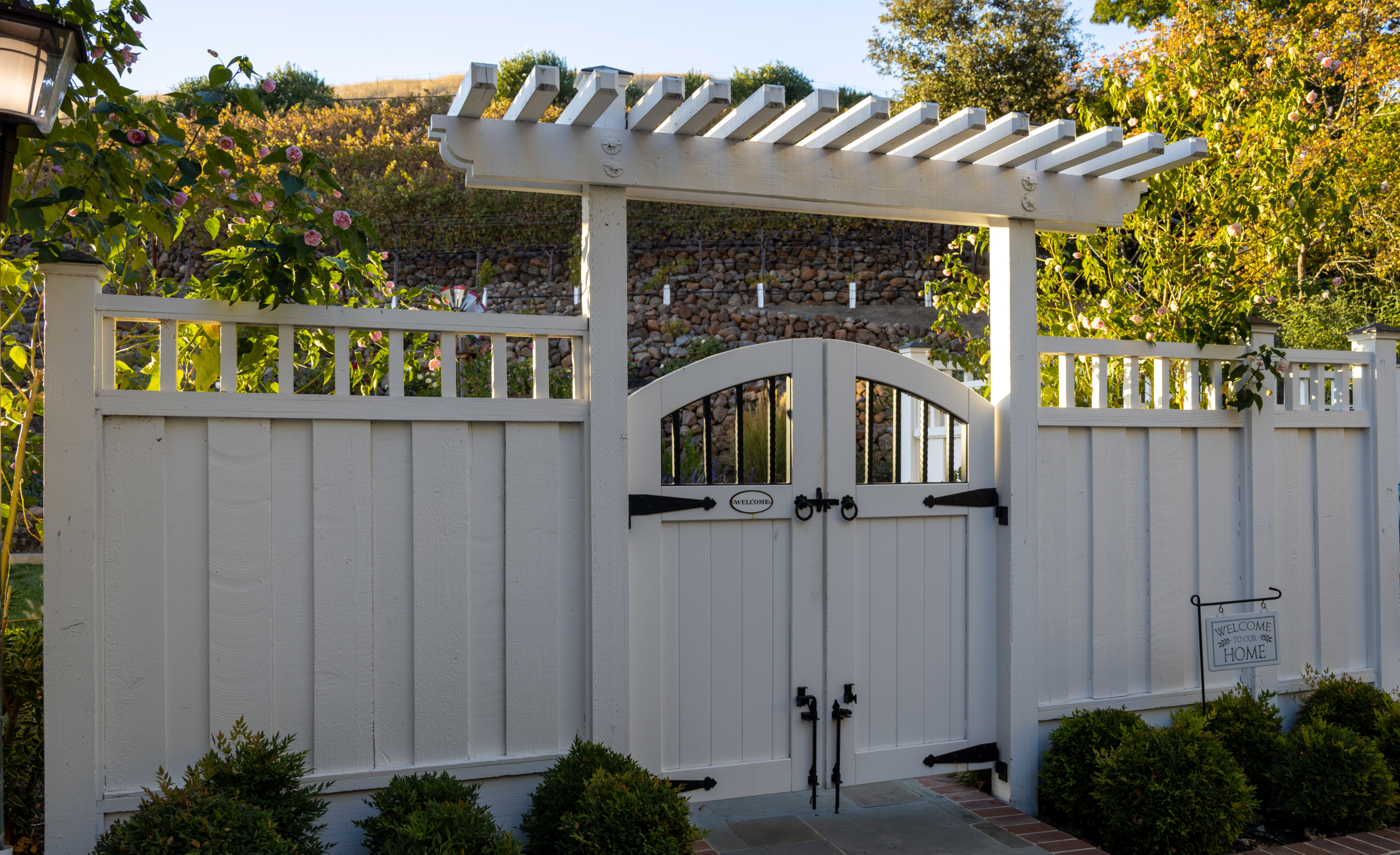
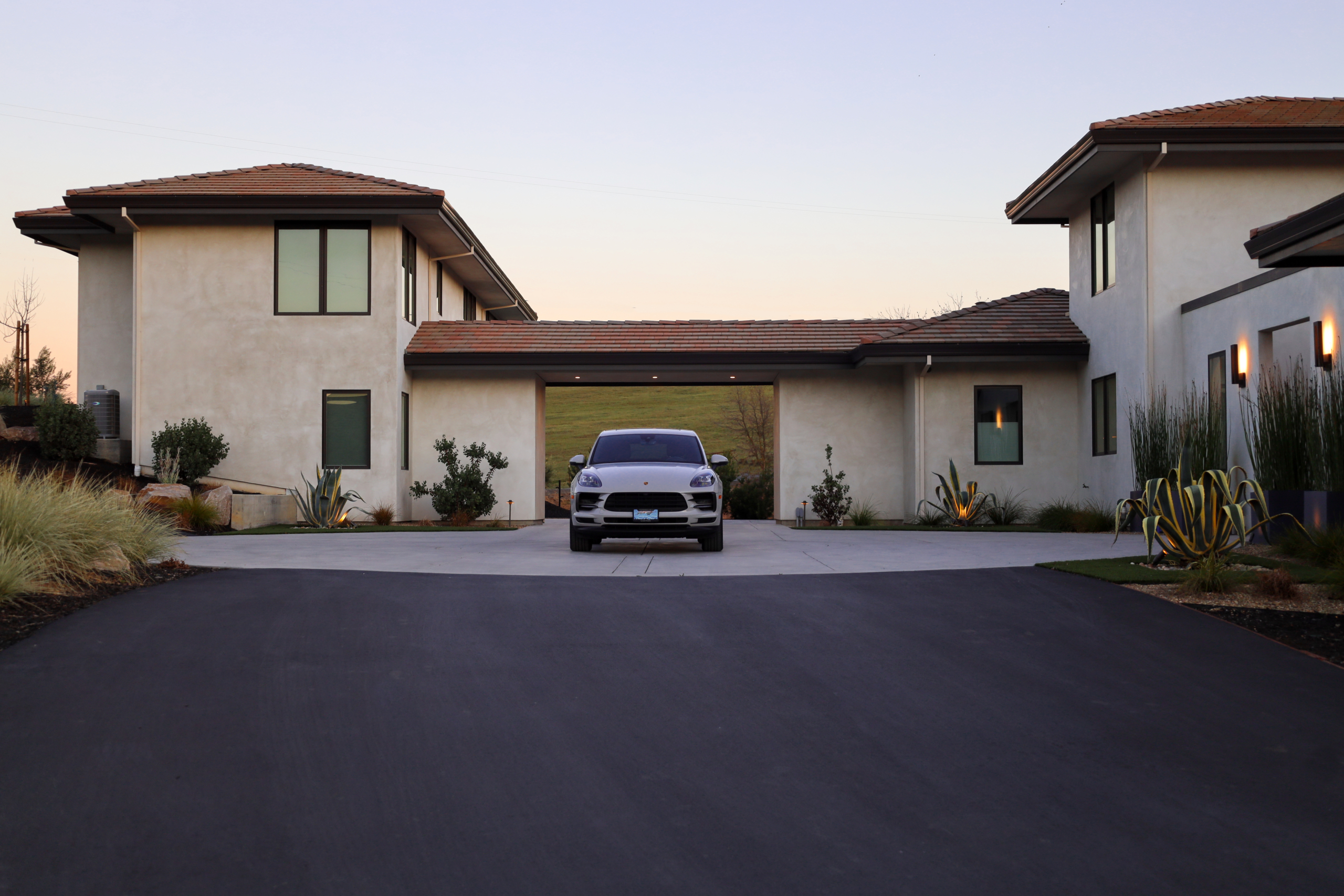
On larger properties, the distance between the street and the front door becomes part of the overall experience of arrival. Rather than a single moment, the entrance unfolds over time, creating opportunities to guide movement, build anticipation, and establish a clear sense of direction. Elements such as gates, low walls, planting, and focal features can help organize this longer approach into a sequence of intentional moments. The key is to ensure that each element reinforces the entry rather than competing with it. When done well, these layers draw visitors forward naturally, making the path feel intuitive even across a larger front yard.
In the example above, the gate creates a defined threshold—an “entry before the entry”—that signals arrival while maintaining a sense of welcome. This transition helps the front yard feel like an extension of the home, rather than a separate space, and gives the overall approach a stronger sense of structure and identity.
Creating a Relaxed Entry Without Losing Structure
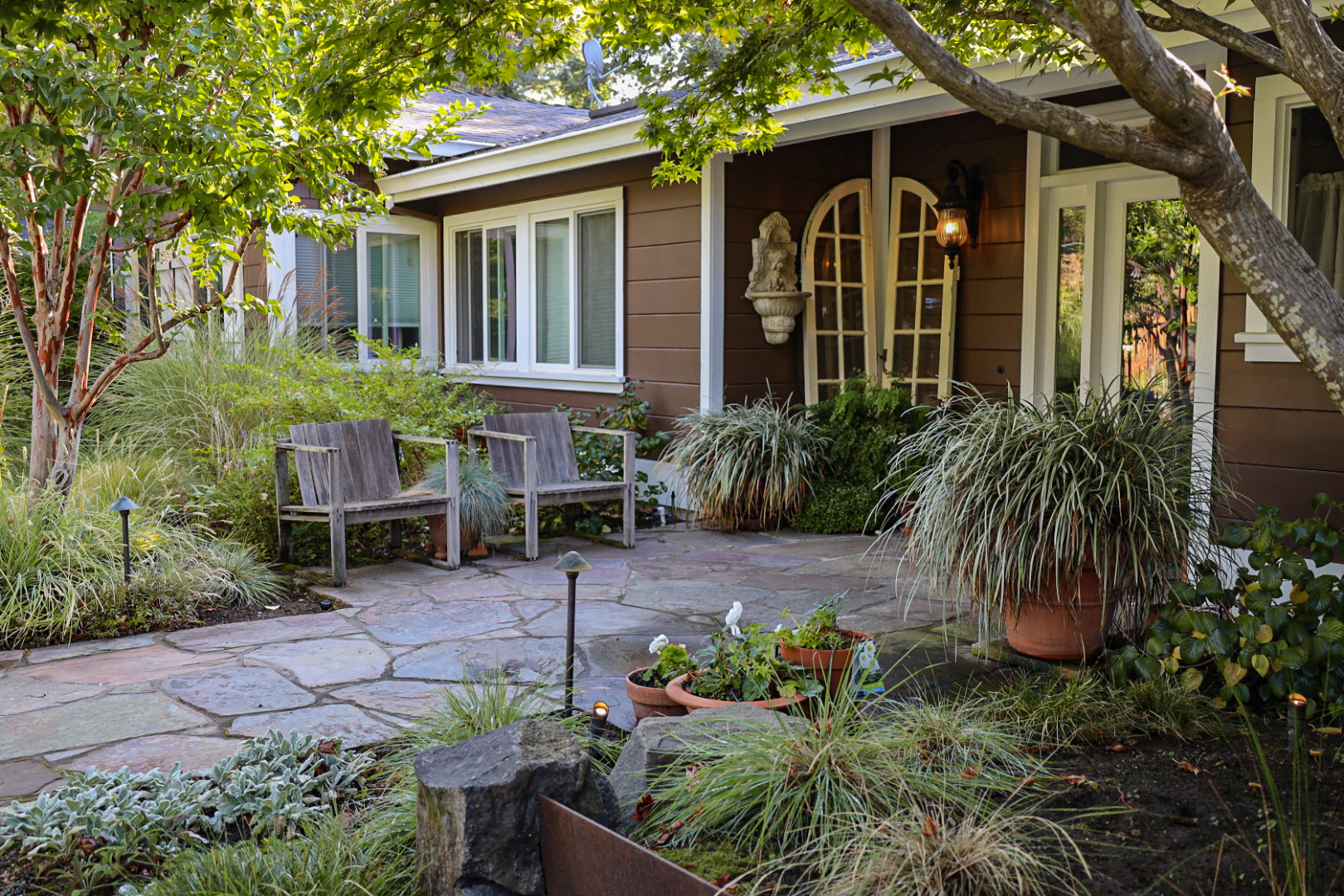
For homes with a lower profile or more casual character, a meandering path can create a softer, more relaxed approach—provided the front door remains visible and the direction of travel is still clear. Even in informal designs, the entry should feel intuitive from the moment it meets the street. A successful “casual” entrance is still highly intentional. Curved paths, layered planting, and subtle grade changes can introduce movement and visual interest, while maintaining a strong sense of flow. When materials are thoughtfully matched to the home’s exterior, the transition from landscape to architecture feels seamless and cohesive.
In the example above, the gentle curve of the path creates a sense of ease while still guiding visitors directly to the entry. This balance between structure and informality allows the approach to feel relaxed, without ever feeling undefined.
A well-designed entrance does more than welcome guests—it shapes how you experience your home every day. From the first step onto the property to the moment you reach the front door, the arrival sequence sets the tone for everything that follows. Whether defined through structure, softness, or a balance of both, the most successful entrances feel intentional, connected, and uniquely suited to the home and the people who live there. Thoughtful decisions around circulation, materials, and planting come together to create an approach that is both functional and memorable.
When the entrance is resolved with care, it becomes more than a point of access—it becomes a meaningful part of how the home is lived in and enjoyed.
Do you have a desire for a new landscape? We are currently booking Landscape Architecture consultations for the 2026 design season. Contact our office, and let’s talk possibilities.