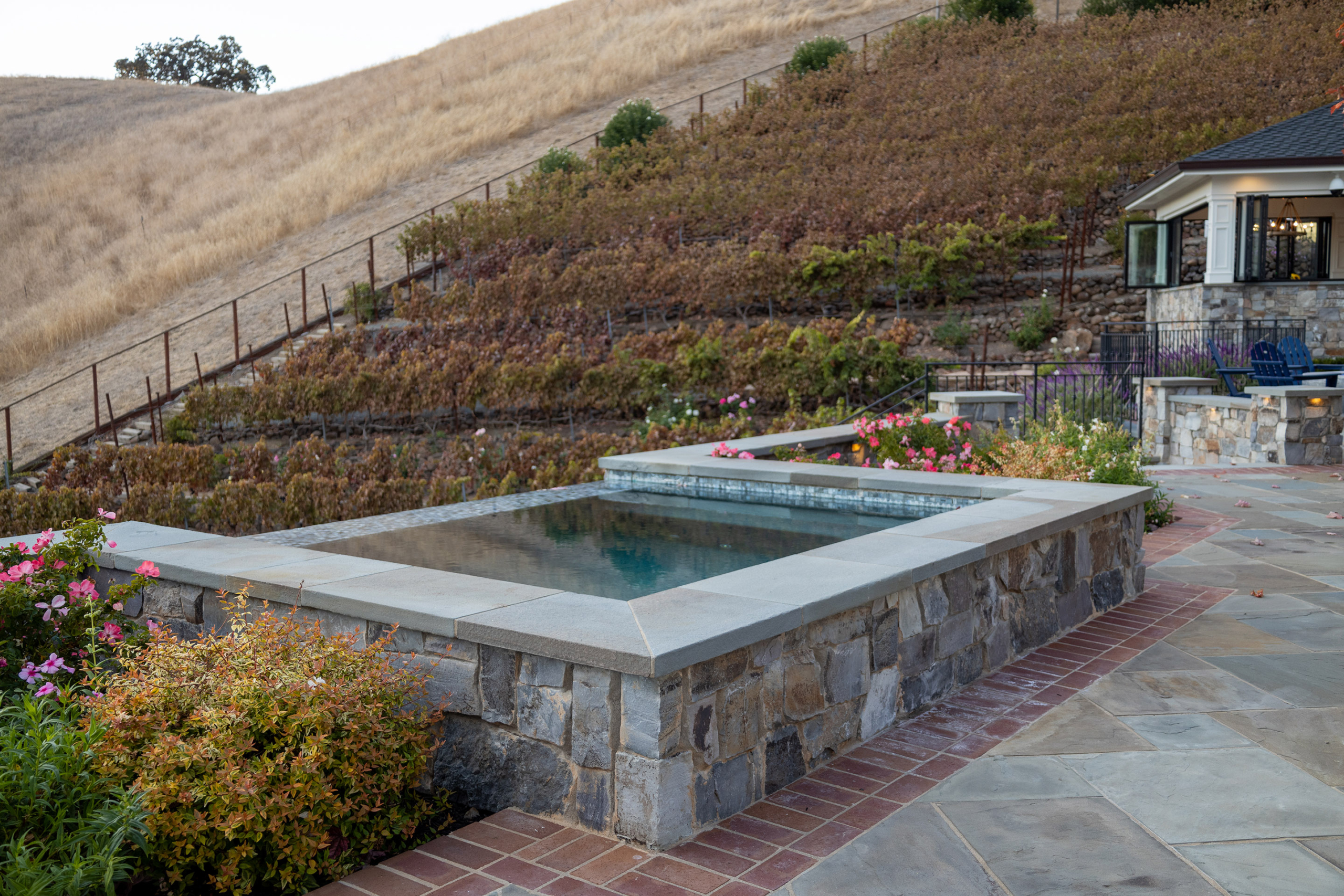
Ground Work: The Foundation of Residential Landscape Architecture in the Bay Area
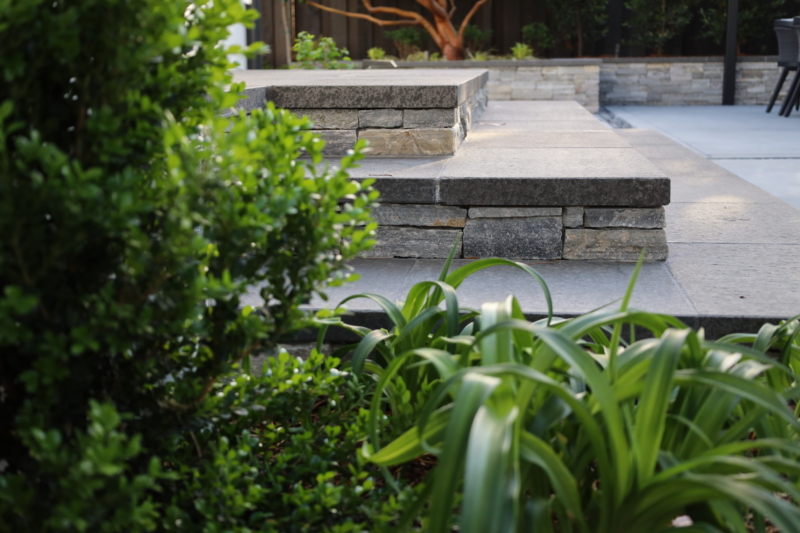
Landscape architecture is the design of space on every level—at eye level, above, and on the ground plane beneath our feet. The ground is often an overlooked aspect of design, yet it plays a critical role in how a space is defined, experienced, and used over time. In landscape architecture, “ground work” refers to the foundational planning, grading, and spatial organization that determines how a landscape functions, performs, and evolves over time. Beneath these design decisions, grading and drainage strategies are carefully considered to ensure the landscape performs as seamlessly as it appears. From shaping movement to establishing structure, the ground plane creates both clarity and interest within the landscape. Here, we focus on a few of our favorite ways to define space from the ground up.
Outdoor Rooms: Creating Space, Transition, and Experience
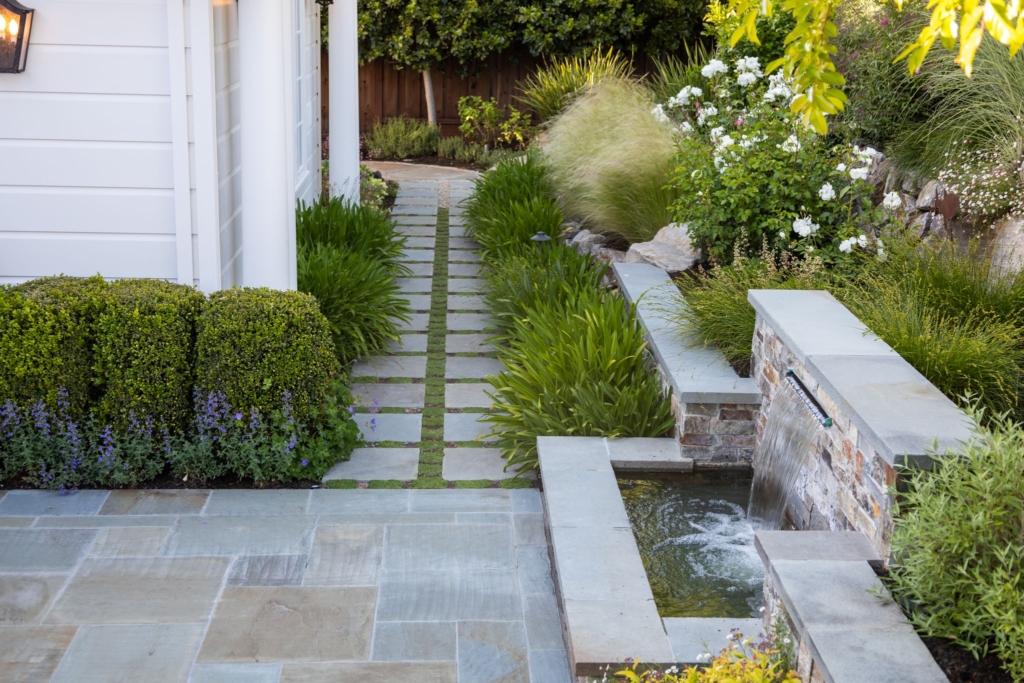
“Rooms” in the landscape are spaces that have been intentionally defined to create a sense of pause, transition, and experience. These outdoor “rooms” are often designed as places of rest—bridging the ‘inside’ and ‘outside’ environments. This “room” above, for example, is created for tranquility, as well as a transition space between the interior and exterior of the home.
Coming home from a long day, the sight of this entryway softens the transition—shifting your mindset before you even step inside. Even passing through on your way out, you can’t help but notice its simple beauty and take a breath before stepping into the rest of the world.
To make this space even more tranquil, ground cover flows between warm-toned stone pavers, reinforcing movement and continuity across the ground plane. In landscape architecture, material selection and layout play a critical role in shaping how a space is experienced. Without this level of planning, large open areas can feel undefined and disconnected, lacking both purpose and cohesion. Here, color, texture, and rhythm are used intentionally to slow movement and create a sense of calm. This type of planning is part of a larger master plan, where every element of the landscape is considered in relation to the whole. Stepping across bands of greenery between pavers encourages awareness of each step—subtly guiding movement while drawing attention to detail.
Pathways and Transitions: Shaping Movement Through the Landscape
When working with large, flat areas of the landscape, breaking up the space can introduce visual rhythm and subtly influence how it is experienced. Thoughtful transitions in grade and material help resolve changes in elevation while maintaining a cohesive and intentional flow across the site. Without these considerations, expansive areas can begin to feel unstructured, lacking a clear sense of movement or purpose.
In a fast-paced world, these moments of intentional design offer a quiet reminder to slow down and engage more fully with the environment. The detailing in this pathway bridges the space between the home and hillside, guiding movement in a way that encourages pause and draws attention to the nuances of the design rather than rushing through it. These foundational decisions shape not only the immediate experience, but how the landscape continues to function and mature over time.
Borders and Boundaries: Organizing Space with Structure and Clarity
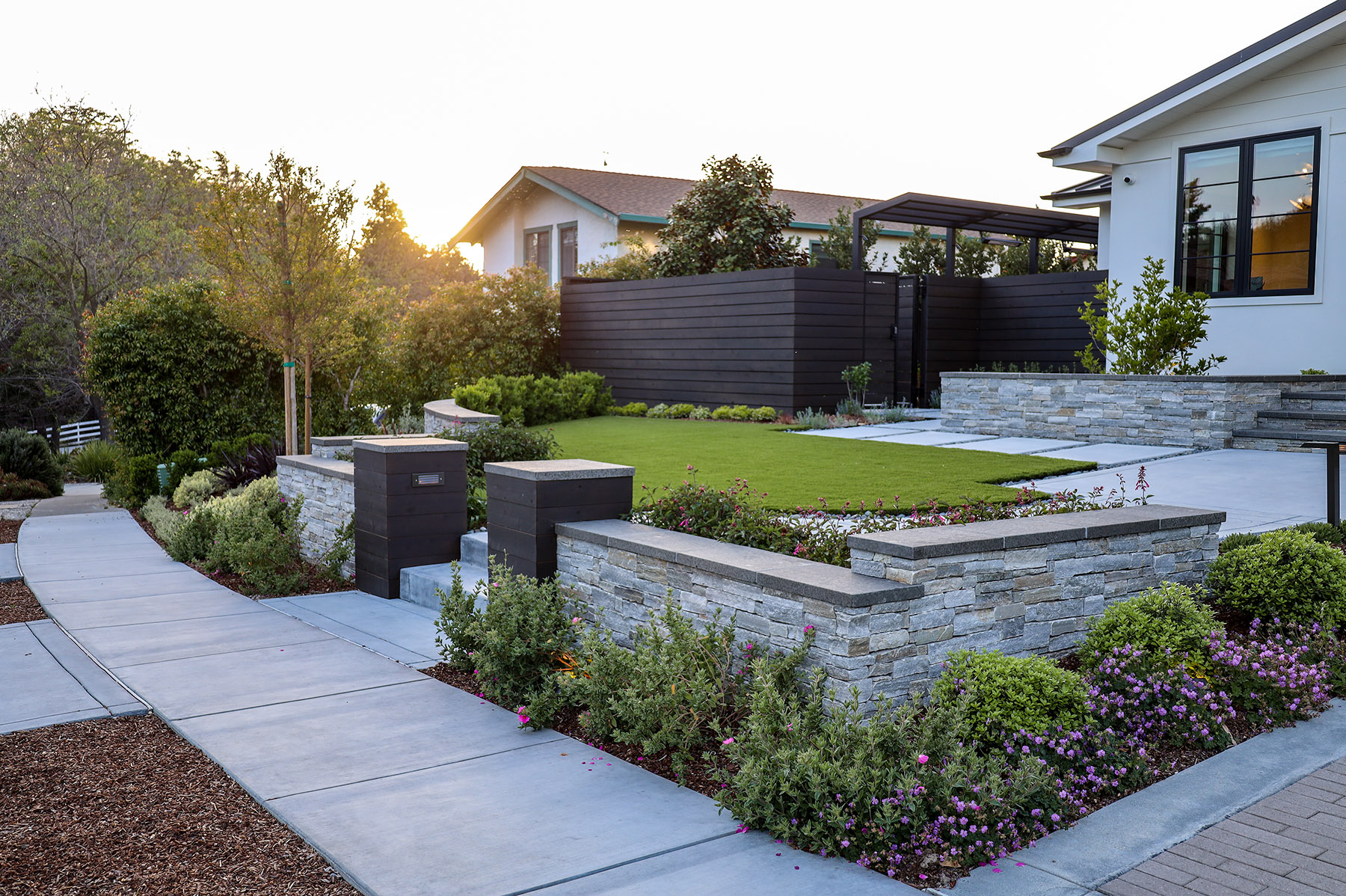
Borders and boundaries bring structure and clarity to the landscape, organizing space in a way that feels both intuitive and intentional. While they can serve as physical edges, their role extends far beyond simple separation—helping to establish hierarchy and define relationships between different areas of the landscape. Not all boundaries are meant to be solid or overt. In many cases, the most effective delineations are subtle—created through shifts in material, changes in grade, or the careful placement of planting. These implied edges allow spaces to feel open and connected, while still providing a clear sense of order.
The layered entry sequence shown here illustrates how boundaries can be used to organize space with clarity and intention. Low retaining walls define distinct planting areas while establishing a structured transition between the sidewalk and the elevated lawn. Though modest in height, these elements create a strong sense of order—framing the space and reinforcing the relationship between the landscape and the architecture. The combination of material changes, elevation shifts, and clean edges allows each area to feel defined, while still contributing to a cohesive whole.
Scale and proportion play an essential role in how these boundaries are perceived. The height of a wall, the width of a border, or the spacing between elements all contribute to a sense of balance within the landscape. When these relationships are carefully considered, the result feels cohesive and composed rather than segmented. These transitions often extend beyond the landscape itself, connecting directly to the architecture of the home. By aligning materials, forms, and edges, boundaries help unify indoor and outdoor spaces into a seamless whole. As part of a larger master plan, these decisions ensure that every edge and transition contributes to a landscape that feels both refined and enduring.
Circulation: Designing How People Move Through Space
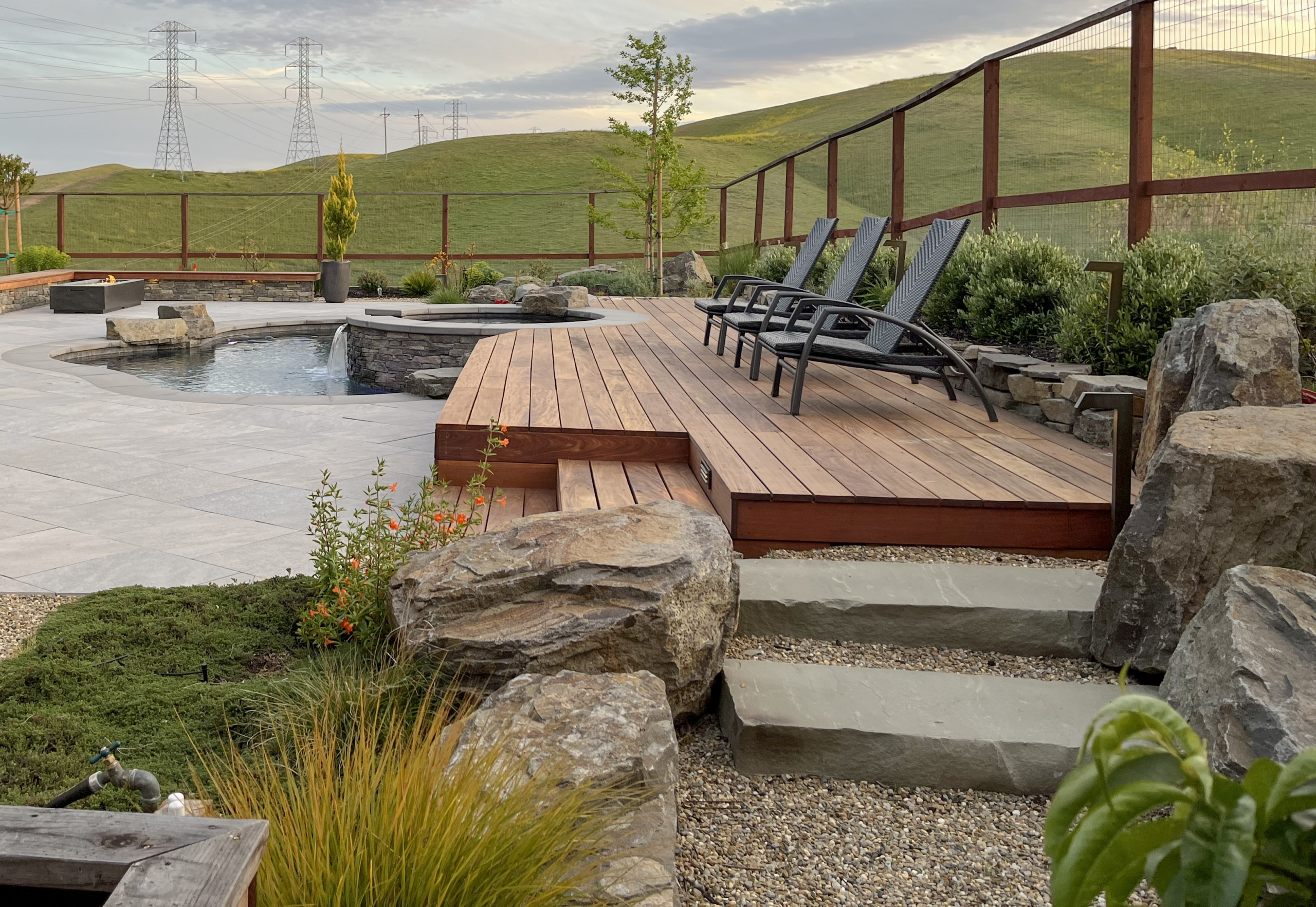
Circulation in the landscape refers to how people move through and experience a space over time. Rather than being dictated, movement is most successful when it feels intuitive—guided by the layout of the landscape rather than imposed upon it. Thoughtful planning allows circulation to unfold naturally, creating a sense of ease as one space transitions into the next. In well-designed landscapes, circulation is not limited to pathways alone. It is shaped by the placement of elements, the alignment of edges, and the sequencing of spaces. Subtle shifts in material, changes in elevation, and the positioning of key features all contribute to how movement is understood, encouraging a rhythm that feels both intentional and effortless.
In some cases, circulation is designed to serve multiple purposes at once—such as creating a continuous walking loop that integrates seamlessly into the overall landscape without reading as a defined track. By layering circulation into decks, pathways, and transitions between spaces, movement becomes a natural extension of the design rather than a separate element. Elements within this sequence can also serve multiple functions; for example, a deck may be proportioned at a height that allows for comfortable, integrated seating—supporting both circulation and gathering within the same space. When circulation is carefully considered, the landscape reveals itself gradually. Spaces are experienced in sequence rather than all at once, allowing moments of arrival, pause, and transition to emerge naturally. This layered progression creates a more engaging and cohesive experience, where each part of the landscape connects seamlessly to the next.
As part of a larger master plan, circulation ensures that the landscape functions as a unified whole—supporting both everyday use and long-term enjoyment. The result is a space that not only looks refined, but moves with clarity and purpose.
Permits and Requirements: Navigating Constraints in Landscape Design

Sometimes where you live has unavoidable consequences on the requirements that must be incorporated into a landscape design. These considerations can range from fire safety and access regulations to grading, drainage, and setback constraints—each of which needs to be thoughtfully integrated from the outset.
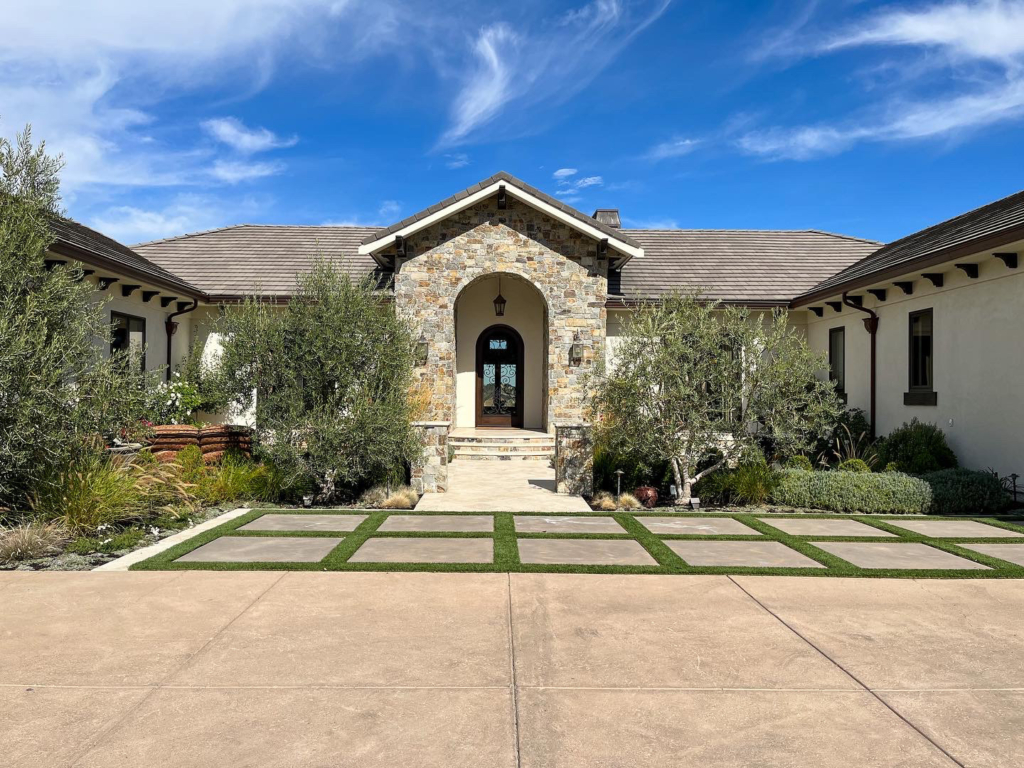
The clients who live at the end of this driveway are a perfect example of this in a unique scenario. The county they live in requires homeowners in this neighborhood to have a driveway large enough for a firetruck to turn around, along with water tanks that can be accessed by first responders in an emergency. Due to increased concerns around fire in that area, these were essential steps that needed to be addressed in order to keep everything in line with current codes.
Navigating these requirements is a critical part of the design process, requiring a clear understanding of local regulations, permitting pathways, and how to incorporate them without compromising the overall vision. Without this level of coordination, projects can face delays, redesigns, or costly adjustments during construction. Some circumstances require formal permitting, while others must be carefully planned and executed as groundwork is being laid. With over 50 years of experience, we bring a depth of knowledge that allows these complexities to be addressed proactively—ensuring a smoother process from design through construction.
Drainage by Design: Where Function Meets Aesthetic
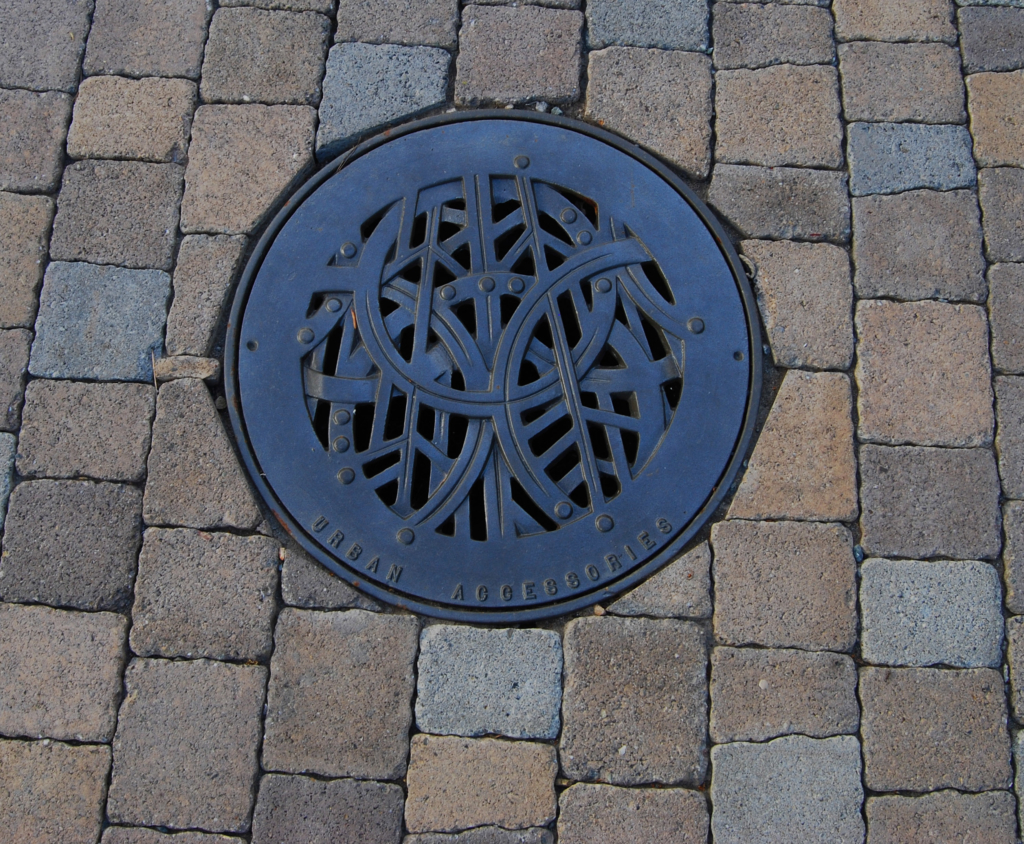
We are always drawn to opportunities to do something unexpected. When it comes to material details, even the most functional elements can become part of the overall design language.
Storm drains are a perfect example. While they play a critical role in managing water and ensuring the long-term performance of a landscape, they don’t have to be purely utilitarian. Thoughtfully selected and integrated, even something as simple as a drain cover can contribute to the character of a space. For a deeper look at how drainage can be both high-performing and visually refined, explore our insights on high-end drainage for residential landscapes.
These moments reflect a broader design philosophy—where function and aesthetics are not separate, but fully integrated. From foundational elements like drainage and grading to the smallest material details, every decision plays a role in how a landscape performs and how it is experienced.
It is often these subtle, unexpected details that bring a landscape to life—quietly reinforcing the idea that every element, no matter how small, has been considered.
Ground Work: Bringing It All Together
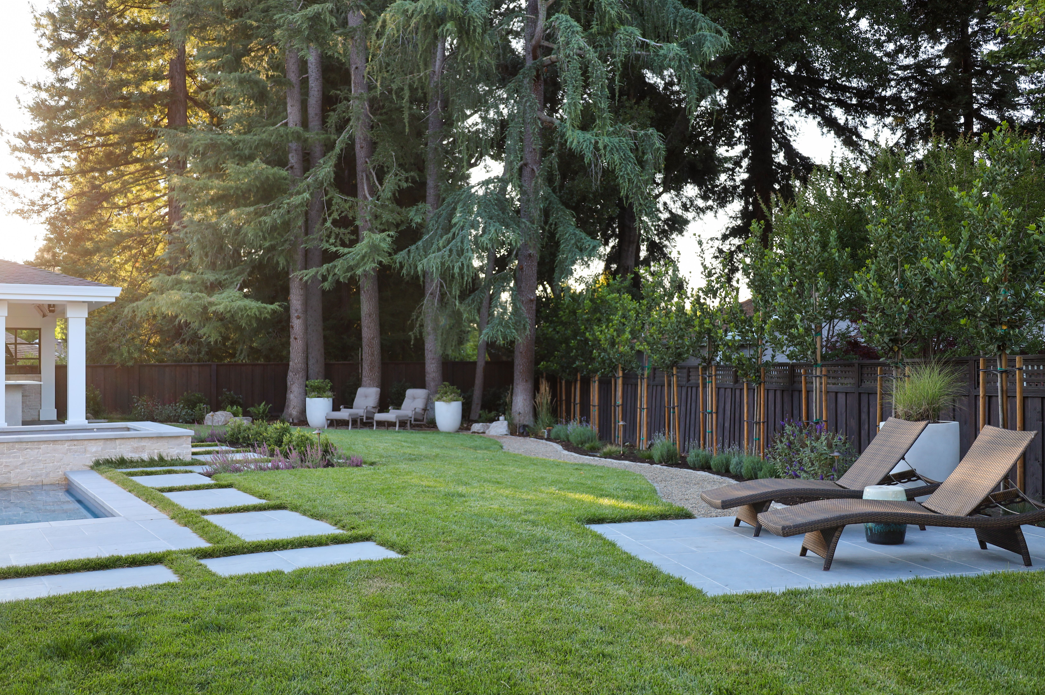
At its core, ground work in landscape architecture is about far more than what lies beneath the surface. It is the foundation that shapes how a space is organized, how it functions, and how it is experienced over time. From the way rooms are defined and movement is guided, to how requirements are navigated and details are resolved, each decision contributes to a landscape that feels both intentional and enduring.
When approached thoughtfully, ground work allows every element—seen and unseen—to work together seamlessly, creating outdoor environments that are not only beautiful, but built to perform and evolve with the people who use them.
Montgomery Robbins creates fully custom residential landscapes, thoughtfully designed down to the last detail. We welcome the opportunity to collaborate and would love to hear from you.