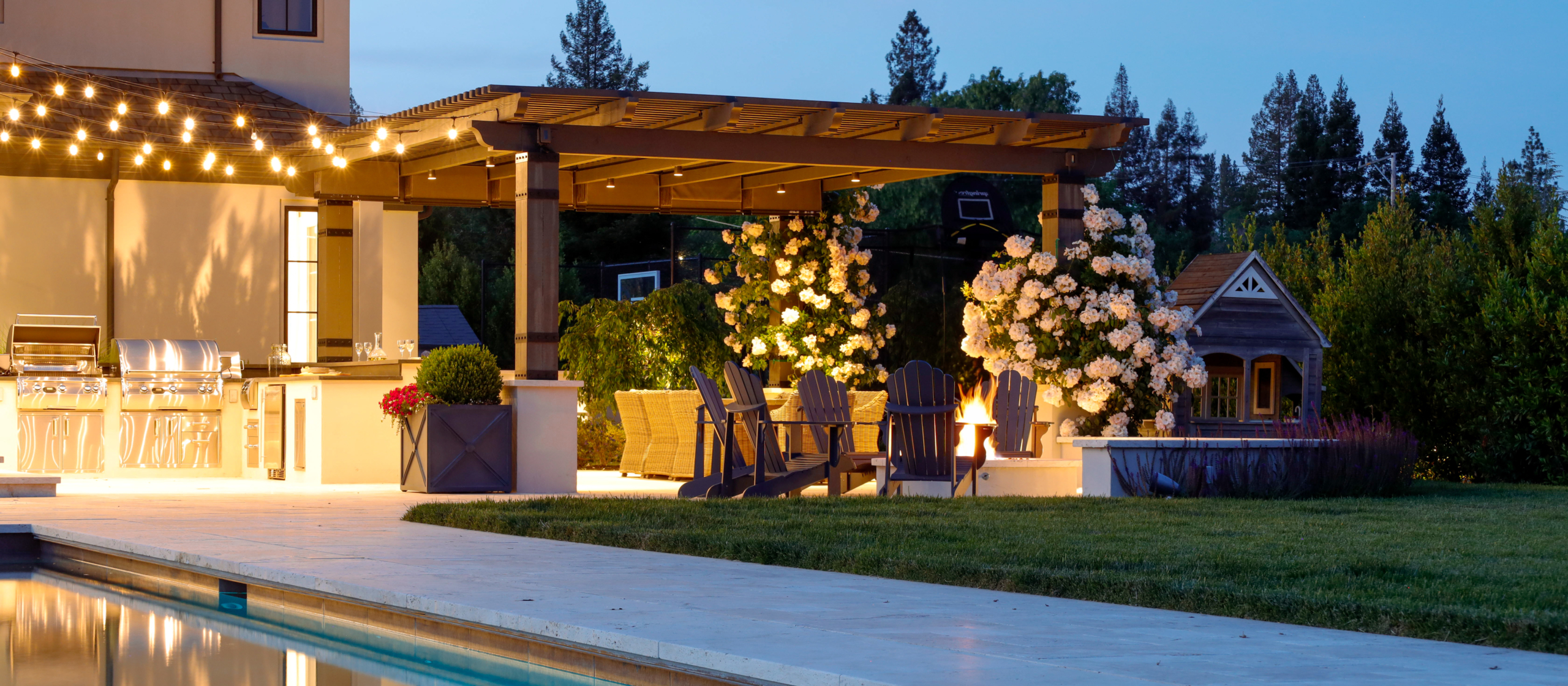
Return on Investment in Residential Landscape Architecture
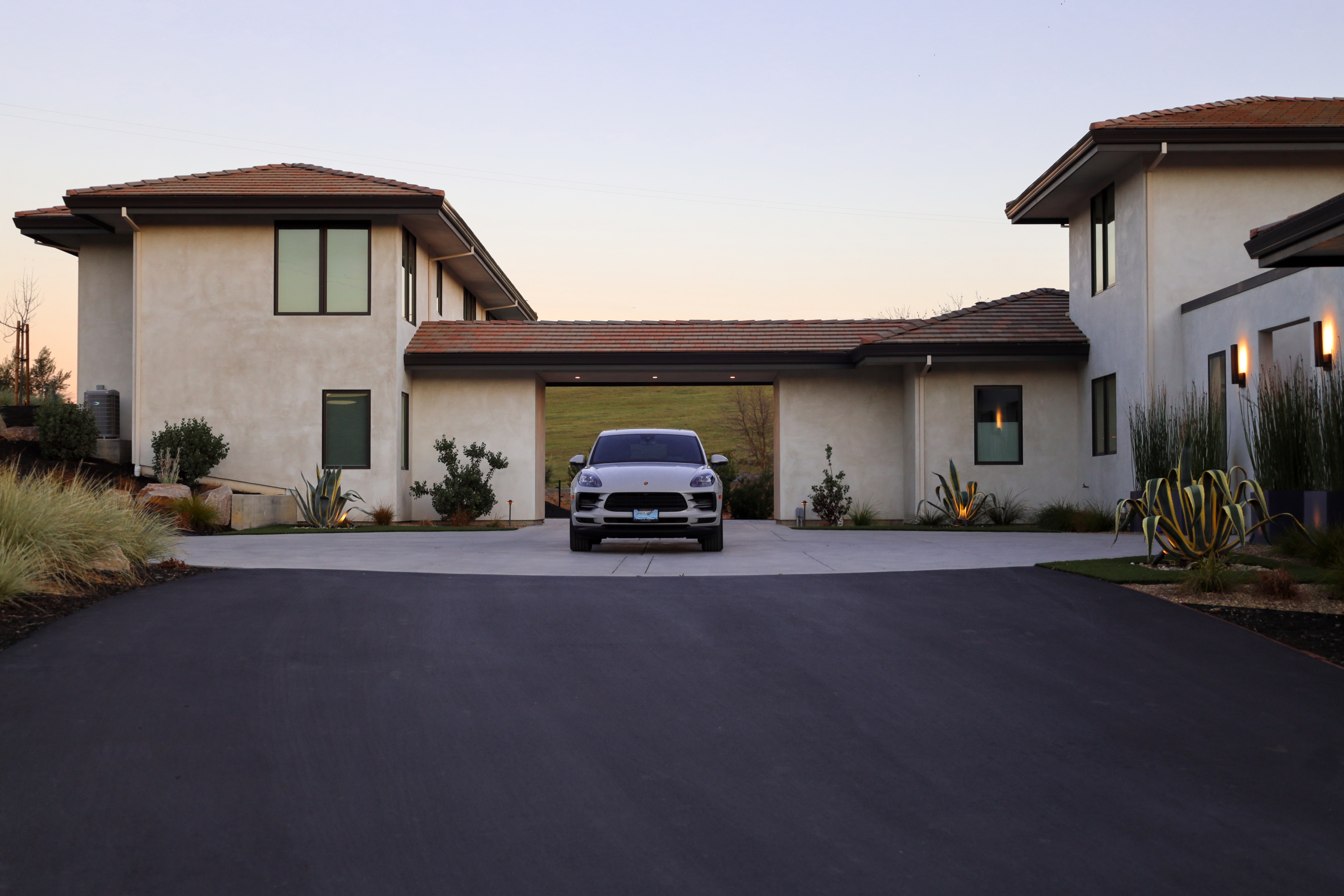
Is residential landscape architecture worth the investment?
In residential landscape architecture, return on investment refers to the long-term value thoughtful outdoor design adds to a property. While financial return may appear through increased property value, the true investment is often experienced through everyday living—how the landscape functions, supports lifestyle, and enhances the home over time.
In the Bay Area and throughout Northern California, professionally designed landscapes often increase property value, improve long-term functionality, and significantly enhance daily living. However, the true value extends beyond resale metrics. It lies in thoughtful master planning, technical expertise, and the creation of outdoor environments that support life for decades to come.
Unlike piecemeal upgrades or contractor-led design, residential landscape architecture approaches a property holistically — integrating grading, drainage, circulation, plantings, materials, and lifestyle needs into one cohesive vision. The result is not simply a beautiful yard, but a property that performs, evolves, and retains value over time. We explore several of those questions in more detail in our Landscape Architecture FAQ.
Understanding the Full Value of Residential Landscape Architecture
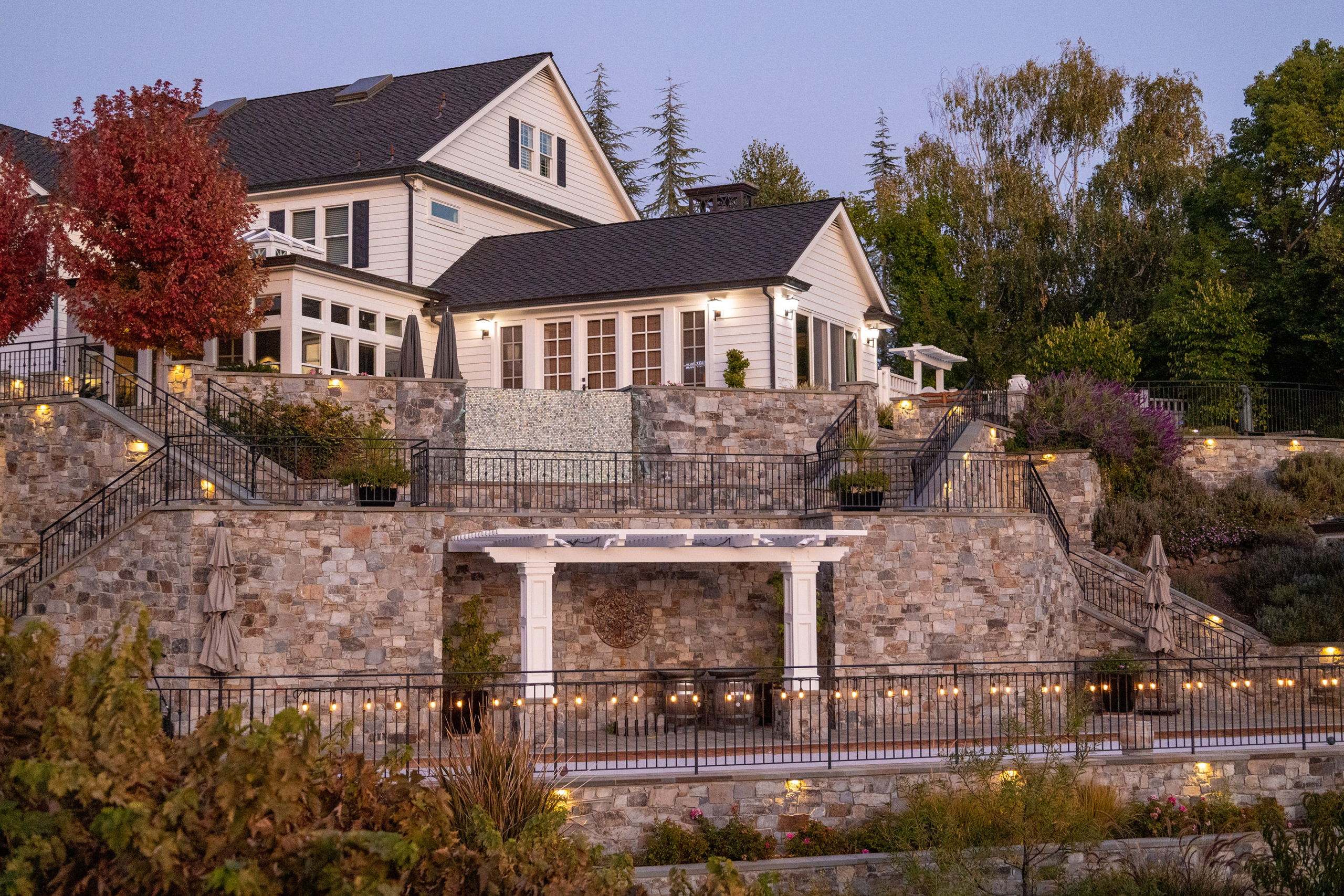
Return on investment in residential landscape architecture extends beyond resale figures alone. It reflects how a property performs financially, functionally, and experientially.
A professionally designed landscape increases long-term property performance through cohesive planning, durable materials, and integrated outdoor living. Its return is expressed not only in market perception, but in daily usability, longevity, and overall cohesion. A thoughtfully integrated outdoor environment enhances curb appeal, expands usable living space, improves circulation, and creates areas for gathering and retreat. These qualities shape how a home is perceived in the marketplace while also transforming how it is experienced by the people who live there.
At Montgomery Robbins, this broader understanding of return is often described as high-yield relaxation. The comfort, ease, and enjoyment created by a well-designed landscape generate meaningful contribution each day. When outdoor spaces feel intuitive, enduring, and aligned with the rhythms of life, their impact is experienced repeatedly rather than evaluated at a single point in time. Resale considerations are important. Equally important is the quality of the years spent living within the environment.
The Role of Time in Landscape Investment
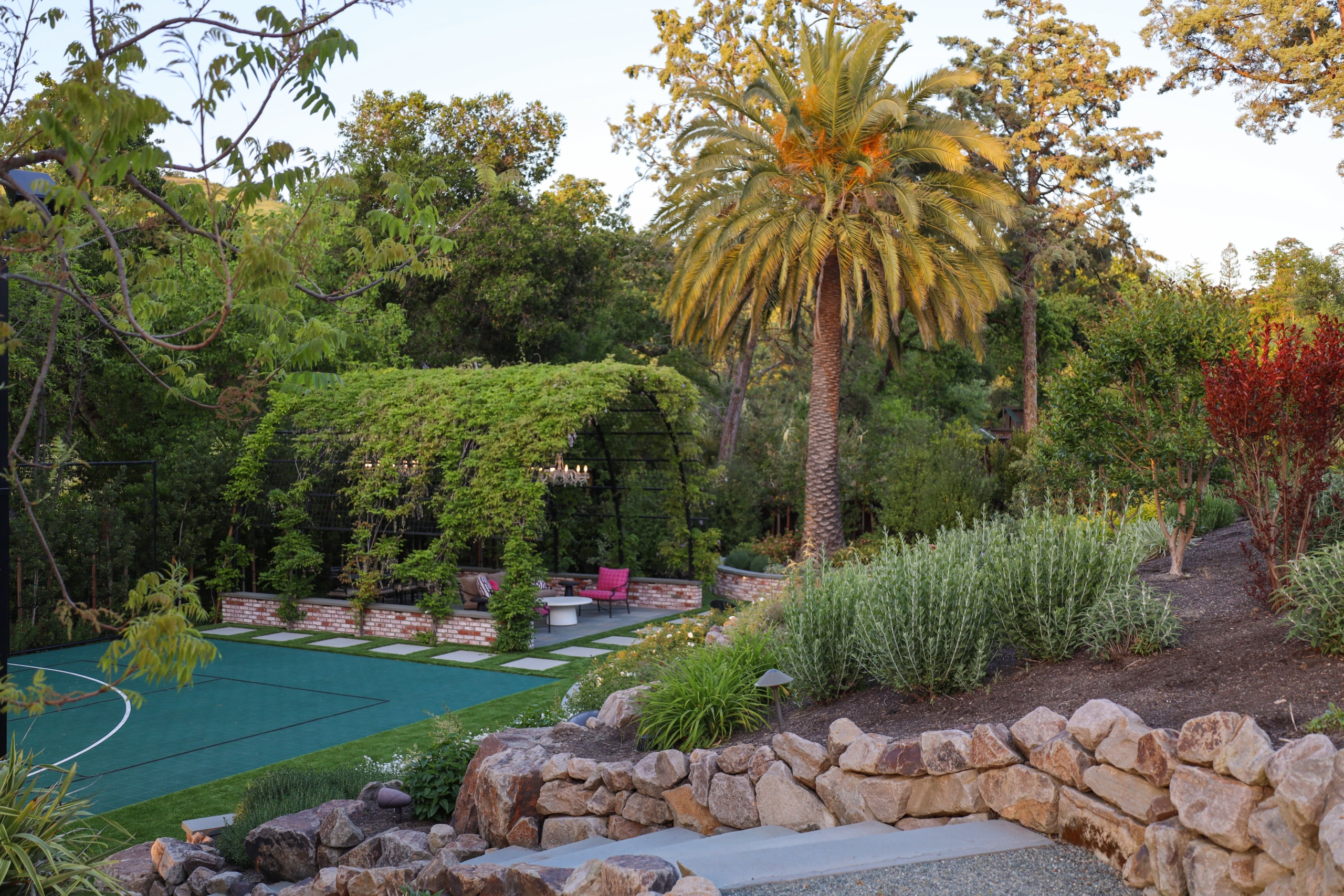
Time is one of the most important variables in understanding landscape value.
Landscapes are not static installations. Plantings mature and develop structure. Trees establish canopy and shade. Materials weather with character and integrity. Outdoor rooms become integrated into daily routines and seasonal gatherings. As these elements evolve, their contribution to the property deepens.
In strong residential markets, including regions such as Northern California, cohesive and professionally designed landscapes often strengthen buyer perception and support sustained property appeal. The influence of thoughtful planning becomes more evident as both the home and its surroundings mature. In some instances, homeowners have experienced meaningful financial recognition of their investment at resale. More commonly, the return unfolds gradually through a combination of market conditions, property performance, and years of lived enjoyment.
What Actually Drives Long-Term Value
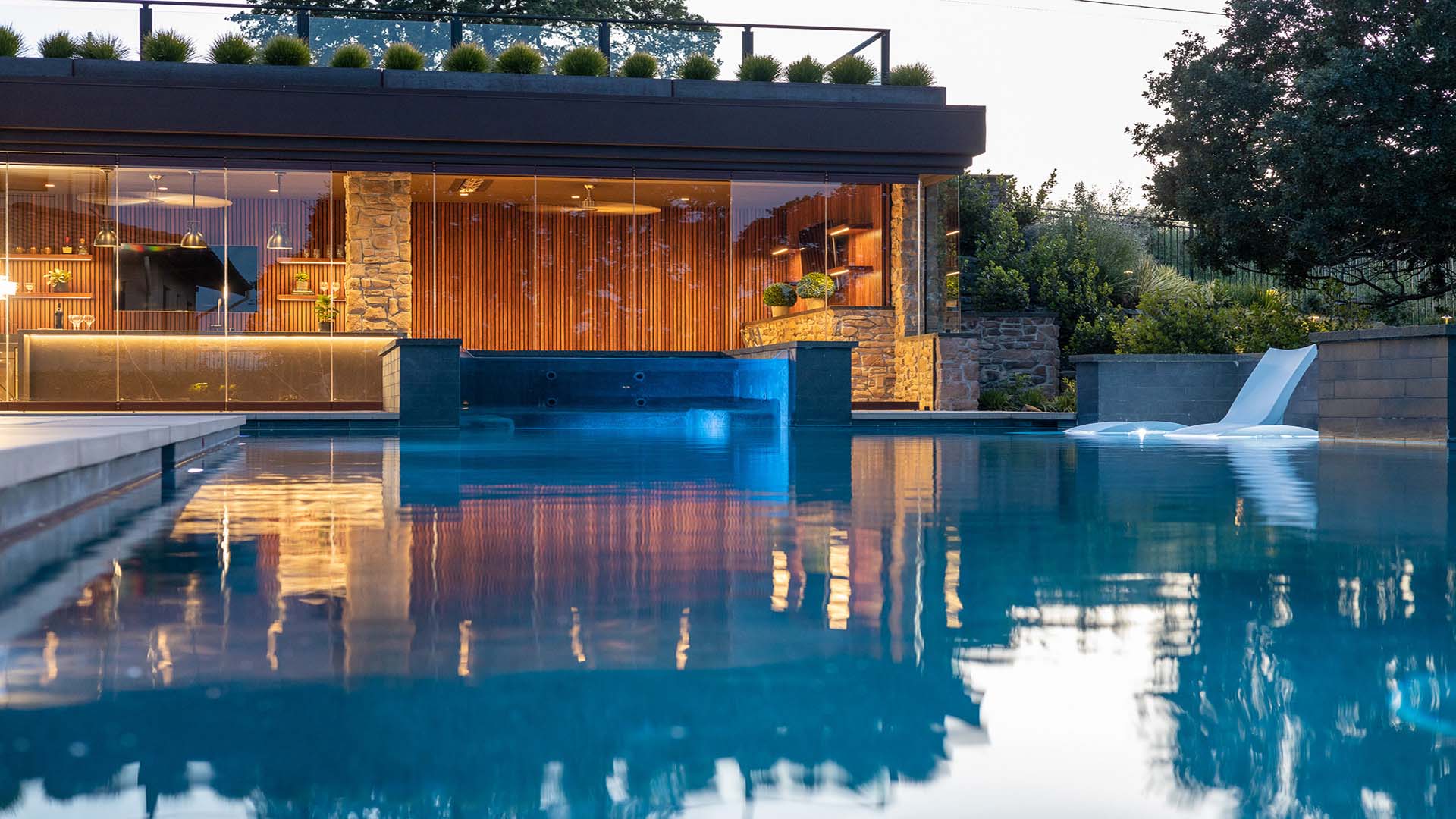
Certain design decisions play a defining role in whether a residential landscape performs as an enduring investment.
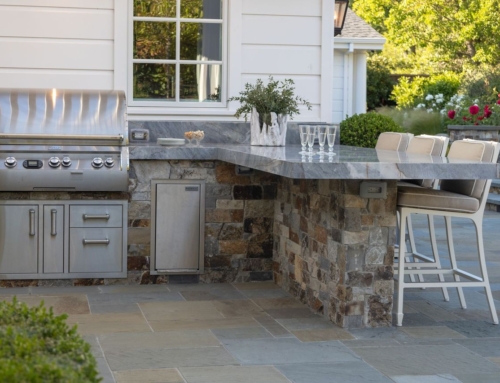
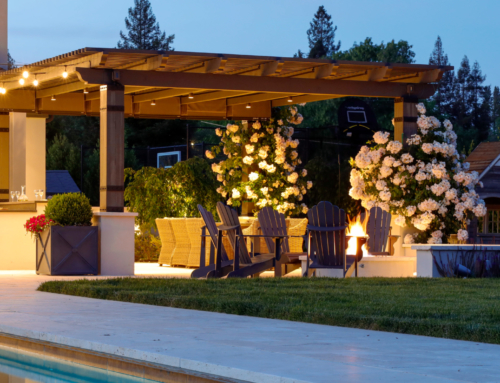
Outdoor living environments that extend the functional footprint of the home consistently contribute to long-term value. Terraces for dining, integrated seating walls, layered planting for privacy, and thoughtfully positioned gathering spaces are used regularly. That consistency of use transforms design into lived experience. Material selection is equally influential. Natural stone, architectural concrete, and other time-tested surfaces maintain structural and visual integrity for decades. When hardscape elements are selected for longevity, the landscape retains cohesion as it matures.
Equally important are the systems that operate beneath the surface, including grading, drainage, lighting, and infrastructure. When these components are resolved cohesively during the design phase, the landscape performs reliably over time. Enduring value is rarely the result of a single feature. It is the outcome of coordinated planning, technical precision, and a clear long-term vision.
Why Landscape Architecture Delivers Value Beyond Property Resale
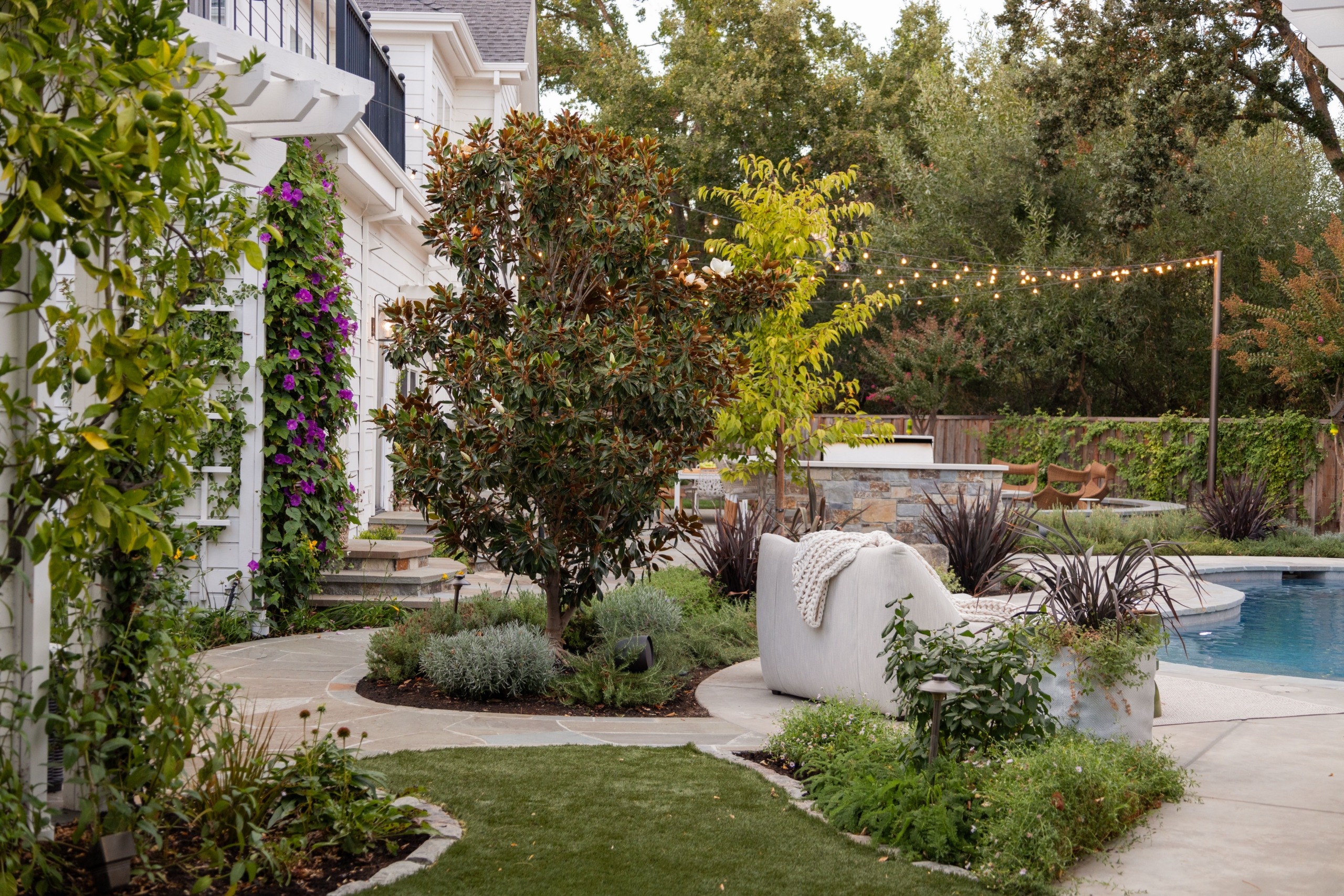
While financial performance can be evaluated numerically, the lived value of a landscape reveals itself through experience.
A well-designed outdoor environment supports quiet mornings, intuitive circulation during gatherings, and spaces that feel equally suited for solitude or celebration. These are not isolated moments. They become part of the home’s natural rhythm. This is where high-yield relaxation becomes tangible. Landscapes designed with clarity of movement, comfortable scale, and thoughtful transitions create environments that feel effortless. That sense of ease builds over time.
As the years pass, outdoor spaces evolve from amenities into essential extensions of the home. They adapt to changing lifestyles, family growth, and new stages of life without requiring reinvention. The landscape develops familiarity and character, deepening its contribution in ways that cannot be reduced to numbers. Homes that feel cohesive and complete often resonate strongly with future buyers, not simply because of individual features, but because of atmosphere, usability, and continuity shaped through intentional design.
Designing for Longevity and Adaptability & A Compounding Investment
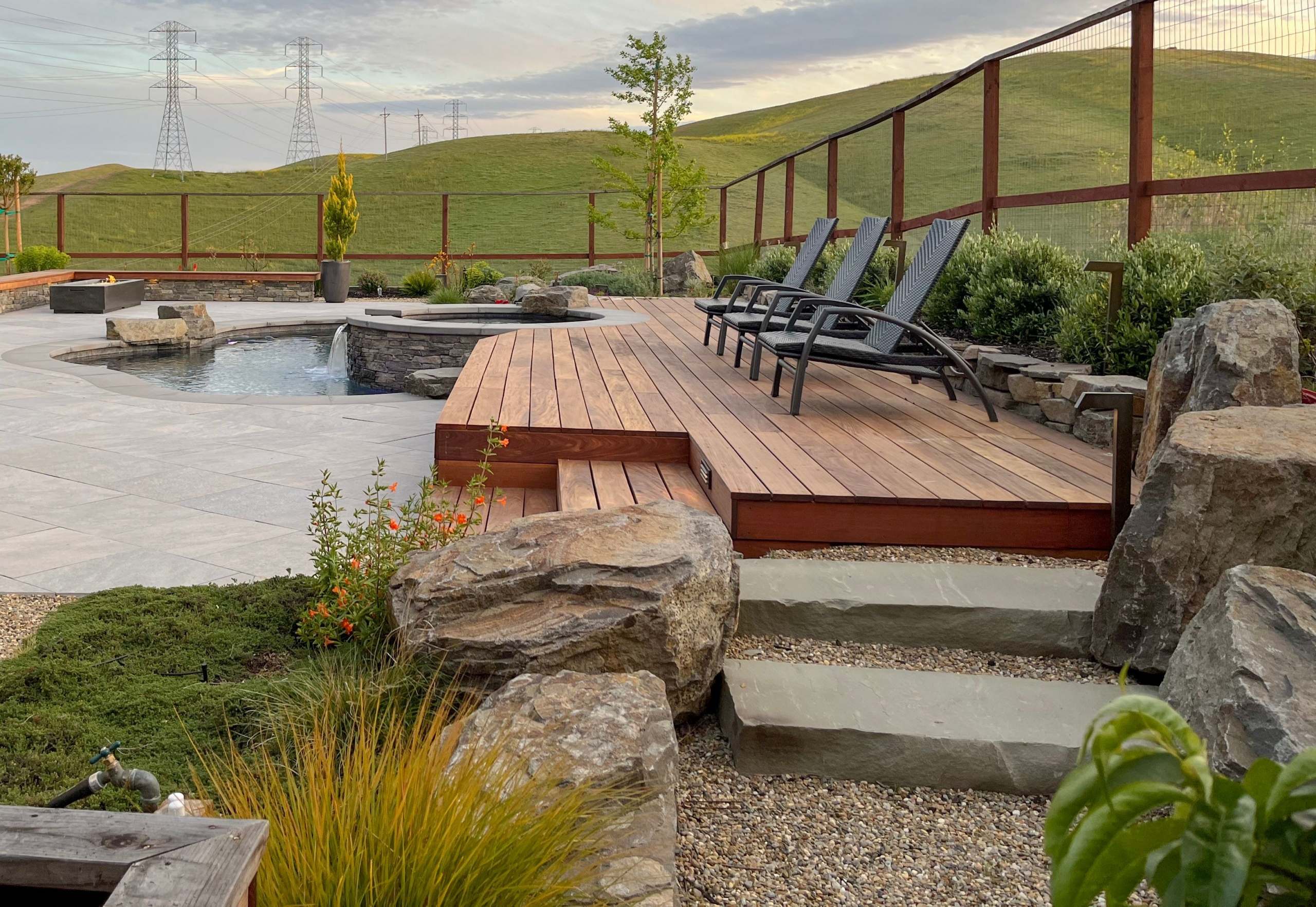
Financial outcomes can be calculated, but the true contribution of a well-designed outdoor environment becomes evident through how it is used and experienced.
A thoughtfully planned landscape supports quiet mornings outdoors, intuitive circulation during gatherings, and spaces that feel equally suited for solitude or celebration. These are not isolated moments. They become part of the home’s natural rhythm. This is where high-yield relaxation becomes tangible. When clarity of movement, comfort of scale, and intentional transitions guide the design, the environment feels effortless. That sense of ease builds gradually and consistently.
Over time, outdoor spaces evolve from amenities into essential extensions of the home. They adapt to changing lifestyles, family growth, and new stages of life without requiring reinvention. Plantings mature. Materials develop character. Daily routines begin to flow through the outdoor environment as naturally as they do indoors. Familiarity deepens presence.
Strengthen Long-Term Property Value in Northern California
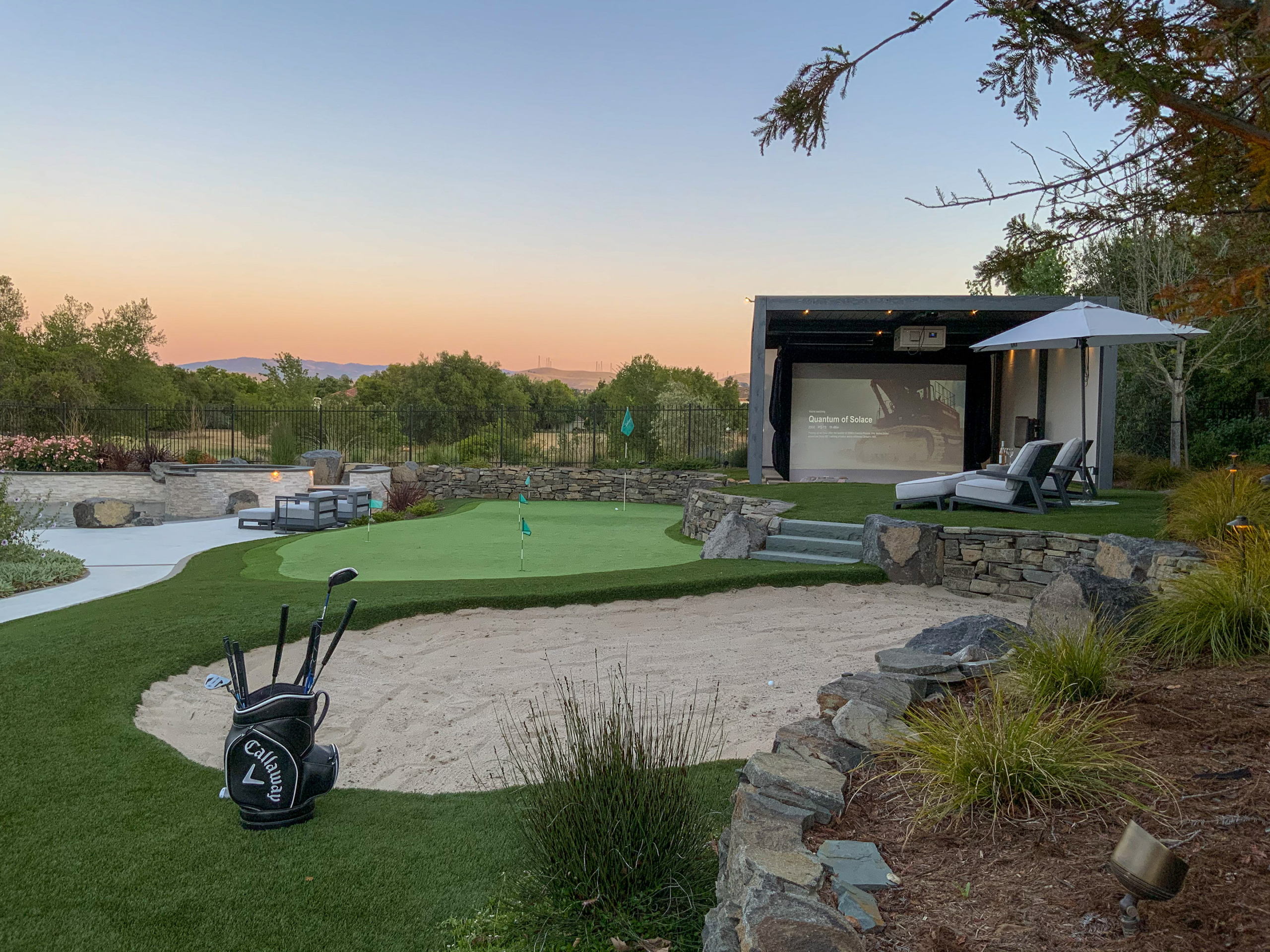
In established residential markets such as Northern California, cohesive and professionally designed landscapes often strengthen buyer perception and reinforce long-term confidence in the property. The appeal lies not simply in features, but in atmosphere, usability, and continuity shaped through intentional planning.
Yet the most meaningful return is not confined to a transaction. It is experienced throughout the years a home is lived in and shared. When residential landscape architecture is approached with foresight, durability, and clarity, it becomes more than an enhancement. It becomes a framework for living that supports gathering, longevity, and quiet enjoyment for decades.