Building Your Team Early
New to the landscape design process? This one’s written for you. We’ve traded our usual technical tone for plain language and a few analogies, so you can see how a project comes together, step by step.
A backyard is where a family’s ordinary Tuesdays and biggest celebrations both happen — which is exactly why it deserves more foresight than it usually gets. In residential landscape architecture, the costliest mistakes almost always trace back to one thing: timing. The landscape architect wasn’t brought in soon enough. If you’re building a new home or planning a major remodel, bring your landscape architect in before construction starts. Their perspective on where the home sits, or how far a bump-out extends, can matter just as much as what happens in the yard. It adds real value to the indoor-outdoor experience. Wait too long, and decisions get made by tradespeople working in isolation from one another, before a coordinated plan exists to guide them: an HVAC contractor sets a condenser where it’s convenient to run the line, a utility crew places a meter where it’s easiest to access from the street, a plumber routes a drain to the shortest, most economical path. Each choice is reasonable within its own scope. None of them consider the impact to the overall design, and a shift of two feet here or there is often the difference in whether a yard ends up highly functional and beautiful. None of them account for the terrace, the garden path, or the outdoor room that a well thought out site plan would have protected.
Why Timing Matters As Much As Design
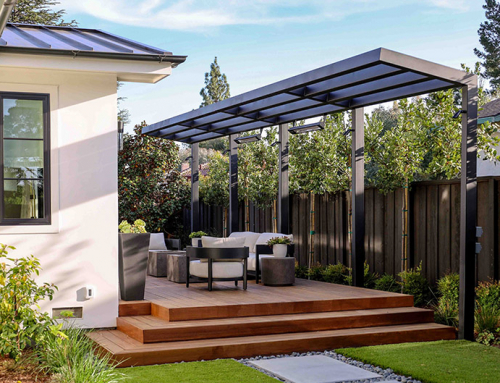
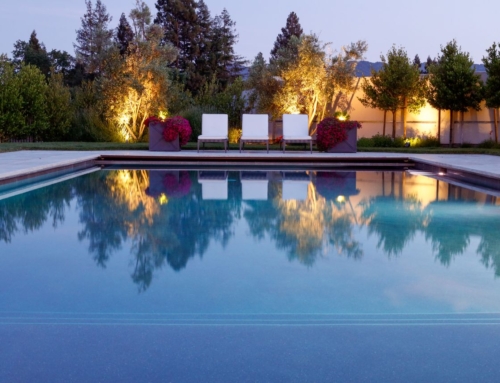
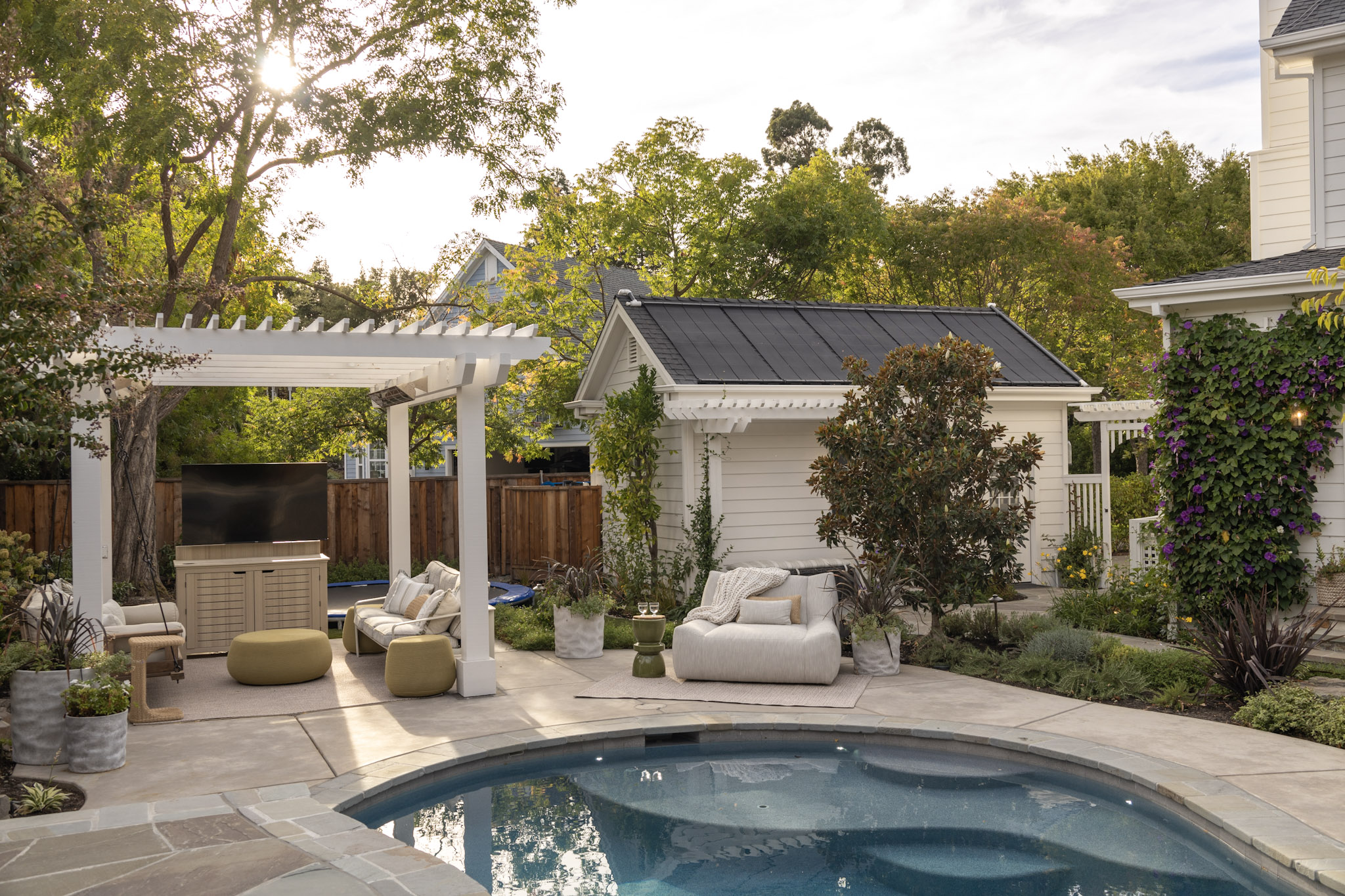
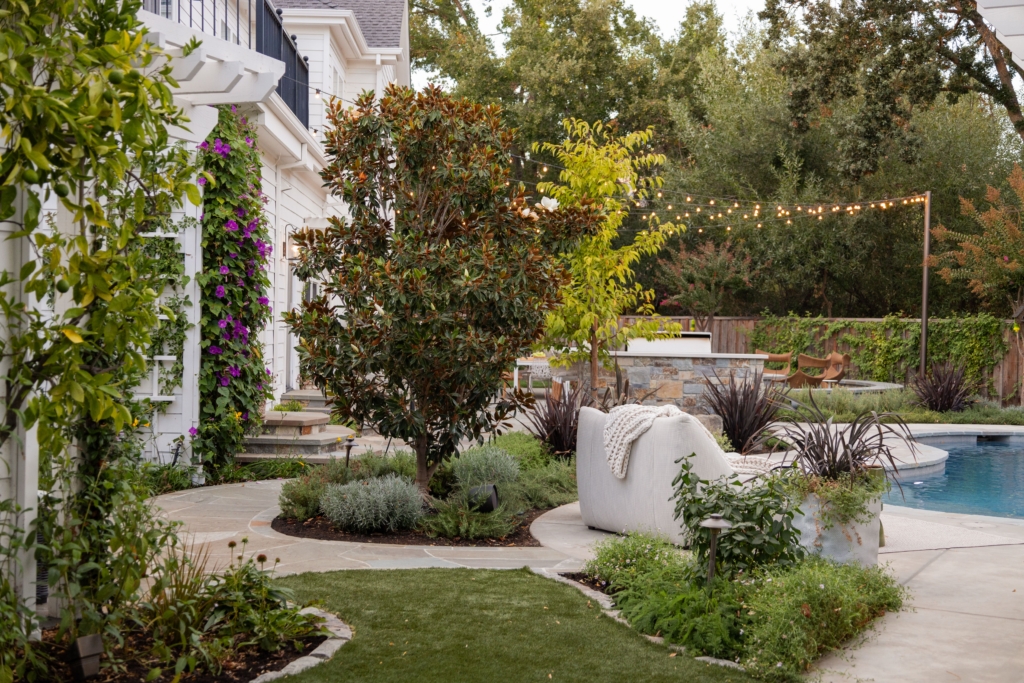
For this to make logical sense, let’s think about the whole thing backwards. Starting with your wonderful yard that you are dreaming of. It flows perfectly. Spaces are laid out so they function optimally. You have enough room within all the gathering spaces you want to achieve. Ahhh, it looks and feels great. Now to achieve all of this gorgeousness, we have to talk about a bunch of boring stuff first. Like unsightly electrical panels, bulky valve boxes, unattractive AC and pool equipment units. Yeah, all that stuff that you don’t really want your eye focusing on. The best yards get all these necessary but clunky elements cleverly placed, or shall we say camouflaged, within the yard so your eye passes right over them. On a high-end property, there are a lot of moving parts to coordinate, and the stakes of getting this wrong mean: a pool equipment pad competes for attention with your new infinity-edge pool, an electrical panel thoughtlessly placed stares at you in your long awaited outdoor kitchen, or poor space planning means your dining area isn’t going to accommodate those larger dinner parties you were imagining.
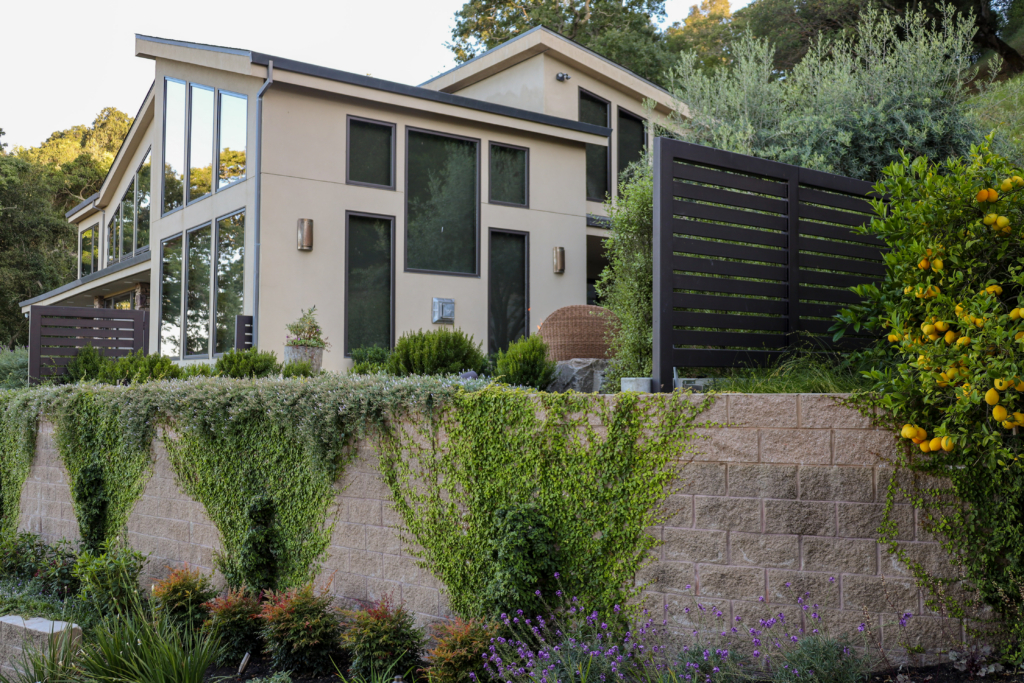
Grading is another big miss on plenty of projects. Proper grading needs to be established so that water runoff can politely head to the drains, instead of rudely gathering and causing trouble. The drainpipes, electrical sleeves, and utility lines all need their exact spot decided before any hardscape is installed. For example, once your concrete goes down, it’s expensive to change your mind later. The same is true for the smart-home conduit that powers your lighting, irrigation, and shade automation, something we get into more in Smart Landscape Design. It has to be part of the plan before the hardscape is set, not squeezed in around it afterward. Own one of the Bay Area’s hillside or view lots? The margin for error shrinks even more, we cover what that takes in Designing for Hillside & View Properties. One early misstep, made before a plan exists, can throw off the grading and drainage for an entire yard. That’s exactly why we design high-end drainage systems into a project, not as an afterthought. Get the water right from the start, and that wonderful yard you were dreaming of stays exactly that, instead of turning into a soggy mess.
Why Construction Documents Matter
Master planning organizes and shows you where everything in your yard goes. Construction Documents are the next step. They spell out exactly how to build it. Remember the grading, the drainage routing, and the smart-home conduit we just walked through? All of that is written into your Construction Documents in detail, before a single contractor ever gives you a quote.
This is also what finally answers the age-old question, “I got five bids, why are they all so different?” Here’s why: without a detailed set of plans to build from, each contractor is pricing based on their own best practices. That’s not to say any of them are wrong in what they’re suggesting. It just means you’re not comparing apples to apples. Construction Documents fix that. They put every contractor on the same page, literally, so the bids you get back are for the identical scope then holds them from deviating from the plans and specifications.
They also happen to be what you’ll need for permitting, since they spell out every build element. We all want to avoid the construction nightmare story. Months of money and stress and the homeowner still isn’t happy with how it turned out. Construction Documents go a long way toward keeping that story from being yours.
A Coordinated Team, Not a Series of Hires
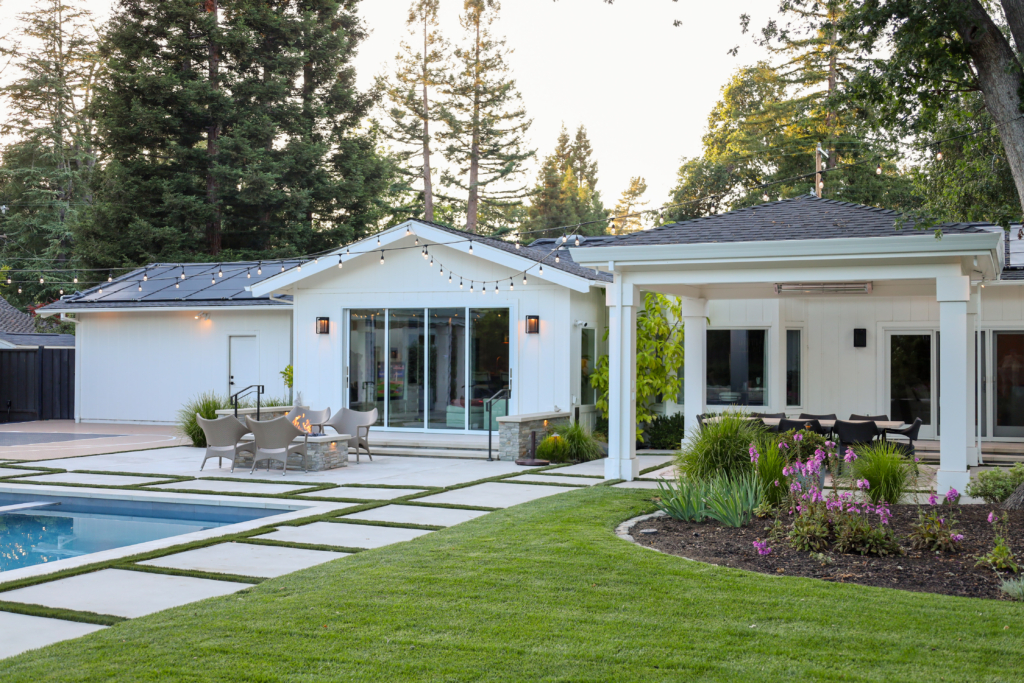
You avoid this outcome when your landscape architect, contractor, and interior decorator are all working from the same plan from the outset, rather than being brought in one after another as problems surface. An interior decorator, in particular, brings a perspective that’s easy to overlook until it’s missing: how light moves through your home across the day, which indoor rooms are meant to open onto which outdoor views, and how the flow and function should coexist. That perspective is valuable before your hardscape is set, which is why we enjoy working with our clients’ interior decorators. We’ve written more in depth about how to evaluate and hire the right design professional for your project in How to Hire a Landscape Design Professional, including the distinction between a landscape architect and a landscape designer.
That distinction is worth a brief note here. A landscape architect is a state-licensed professional trained specifically in grading, drainage, and the way utilities, structures, and living elements interact across a site. At Montgomery Robbins, Inc., that expertise runs deeper than licensure alone. Teresa Robbins and our founding landscape architect John Montgomery are both licensed landscape architects. Plus, John brings more than 40 years of hands-on construction experience alongside his license, a combination you won’t find at many firms. It’s what makes the real difference on every project we take on: the eye of an artist, and the expertise of a team that actually understands how to build it.
Design Oversight: Seeing It Through
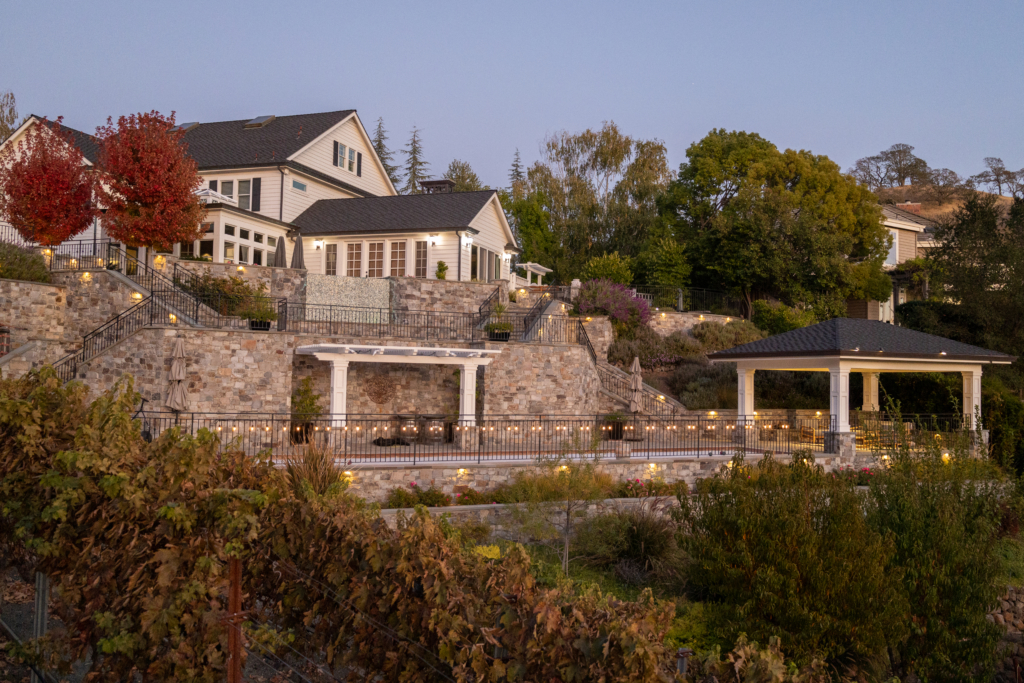
Here’s an interesting truth: contractors and landscape architects read plans from an entirely different perspective. Construction Documents go a long way toward preventing misunderstandings about what your design team intended, but they don’t eliminate the risk entirely. Contractors are craftspeople, and that’s a different skill than being a creative. We need both builders and artists, but they’re not the same thing.
During construction, there are nuances that are easy for the build team to miss when reading the plans, but obvious to the team that designed your space. We’ve all experienced that the most detailed planning doesn’t guarantee a great outcome. Think about a wedding. You’ve pored over every detail, the flowers, the seating chart, the timeline down to the minute, and hired your whole team. Could it still help to have a friend, or a seasoned wedding coordinator, who knows the vision well enough to redirect things if they go wonky?
The Cost of Discovering Gaps Later
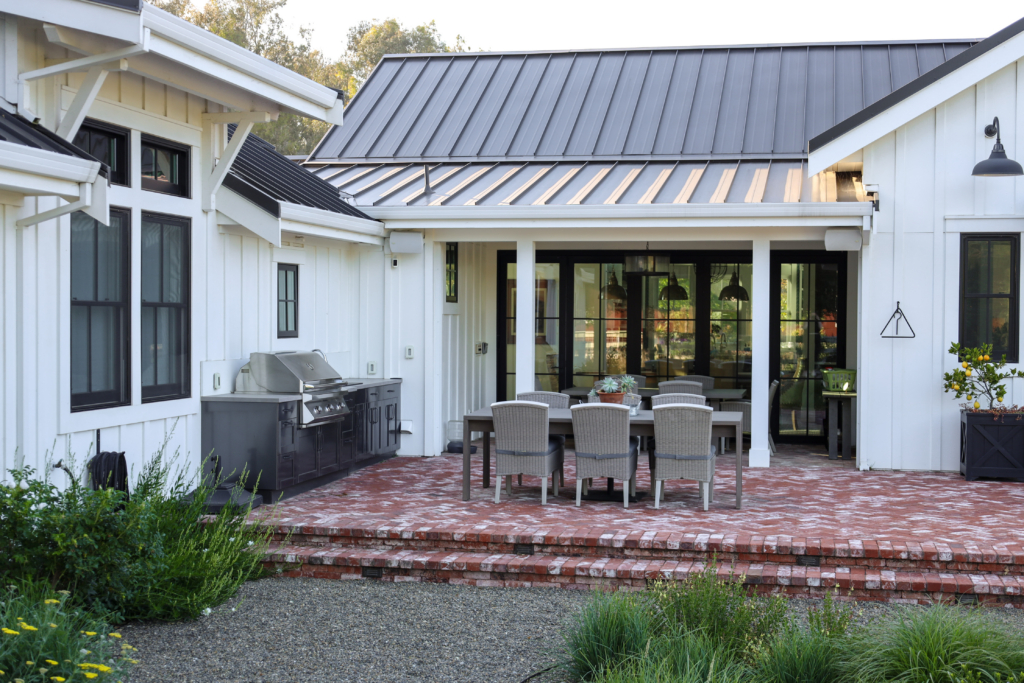
One of our longtime clients lived with an unfinished stair landing for years, a space they knew wasn’t working, no matter how much brainpower they threw at it. Within weeks of bringing an interior decorator into the project, the landing was furnished and finished, all because the right person finally looked at that particular problem.
Most homeowners are super smart within their own field of expertise. But home construction is a different animal entirely, the kind of thing summed up by an old idiom: “you don’t know what you don’t know.” Left alone, that gap in knowledge tends to get expensive, and sometimes leaves you with an outcome you don’t love either. The good news is a coordinated team catches these gaps before they linger for years, or decades. A stair landing left unfinished is a low-stakes version of a much higher stakes pattern, when the unresolved questions involve grading, drainage, and permanent utility placement instead of furniture. Those are the stakes preplanning with the right team is actually protecting.
Preplanning as an Investment, Not an Expense
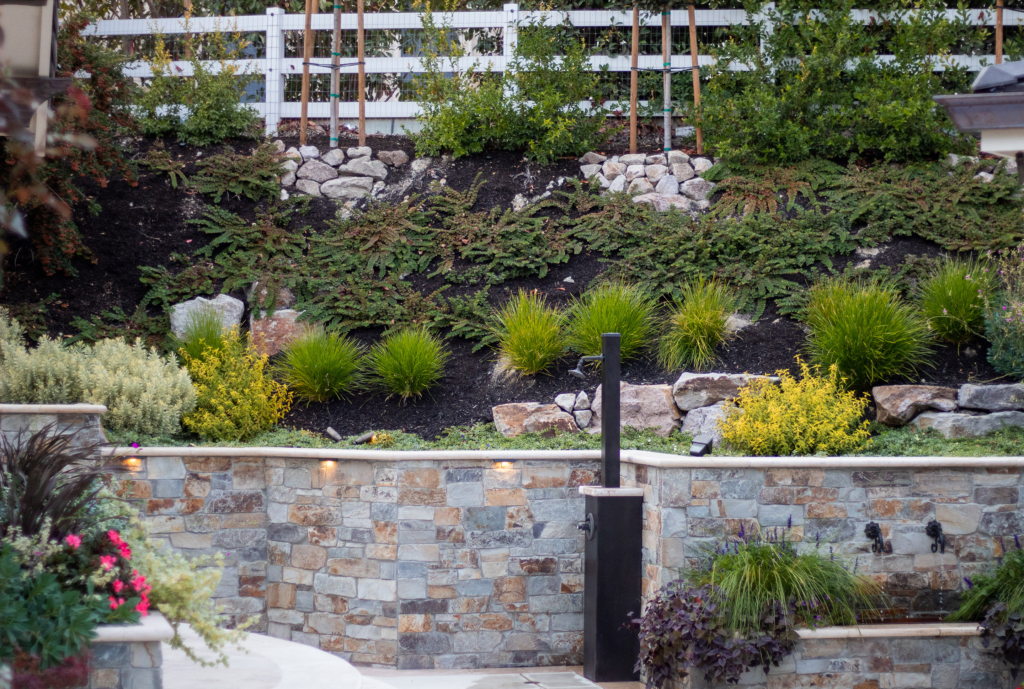
As we outlined in Return on Investment in Residential Landscape Architecture, the value of a well-designed landscape is measured over decades, not just at resale. That return depends on decisions made correctly the first time. In our 60 plus years of collective experience, hiring a landscape architect before the contractor doesn’t add to the overall cost of the project. It sometimes helps avoid costly mistakes by ensuring every dollar goes toward the outdoor space as intended, rather than toward correcting decisions.
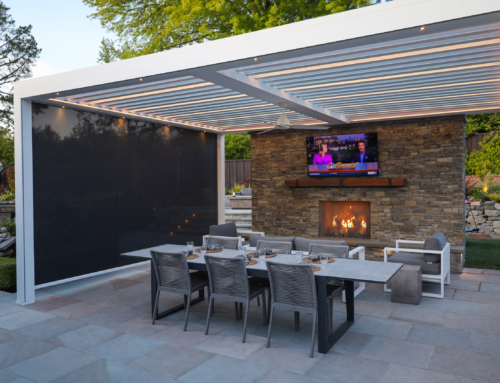
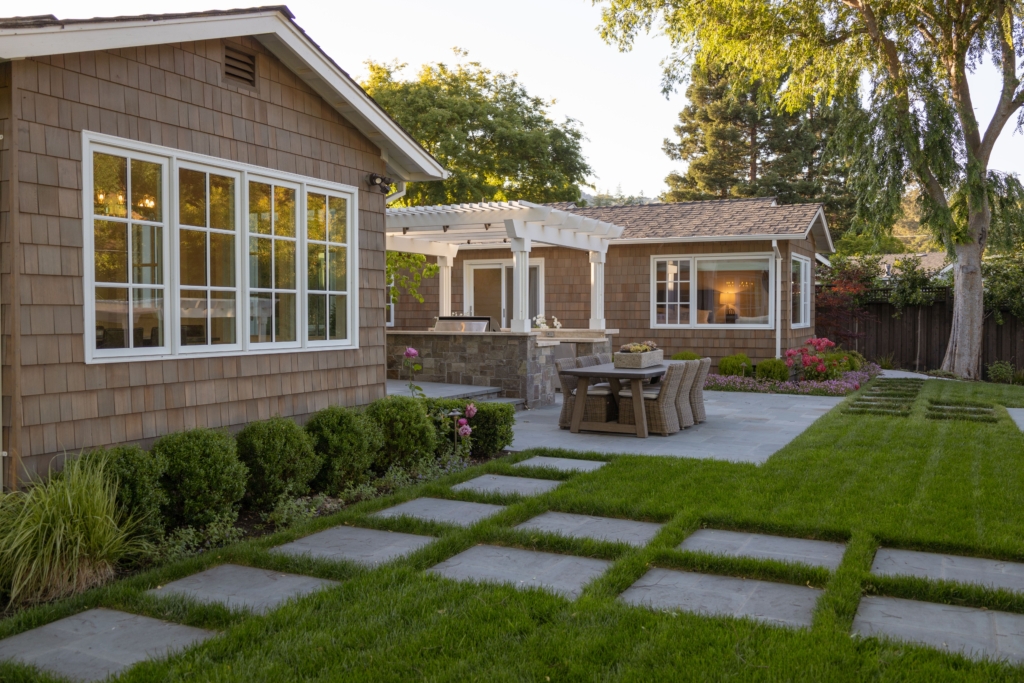
Preplanning, at its core, is a sequence of decisions made in the right order: a team assembled before the contractor arrives, a set of Construction Documents that turns intent into instruction, and a firm that stays engaged through construction, instead of having no say once the drawings are handed over. None of that guarantees a flawless build, but it means the AC condenser isn’t blocking your view. The properties we’re proudest of aren’t remembered for what they cost. They’re remembered for the birthdays on the terrace, roomy enough that no one’s eating off their lap. The outdoor kitchen is close enough to use, not too far away to bother with. The outdoor room, effortlessly used on the weekends, not left lonely and abandoned. All of it traces back to the team assembled before anything was built.
Rest assured that it’s never too late to bring in the right team, whether you’re still in the planning stages or already underway. If you think we might be the right fit, we appreciate you considering us for your project, and we’d love to hear more about it. Every project is special to us, and yours is no exception.
If you’re planning a project and want to build your design team the right way from the start, say hello— we’d love to talk through what’s possible for your property.