Dining Outdoors by Design: Creating a Bay Area Outdoor Dining Space Worth Gathering Around
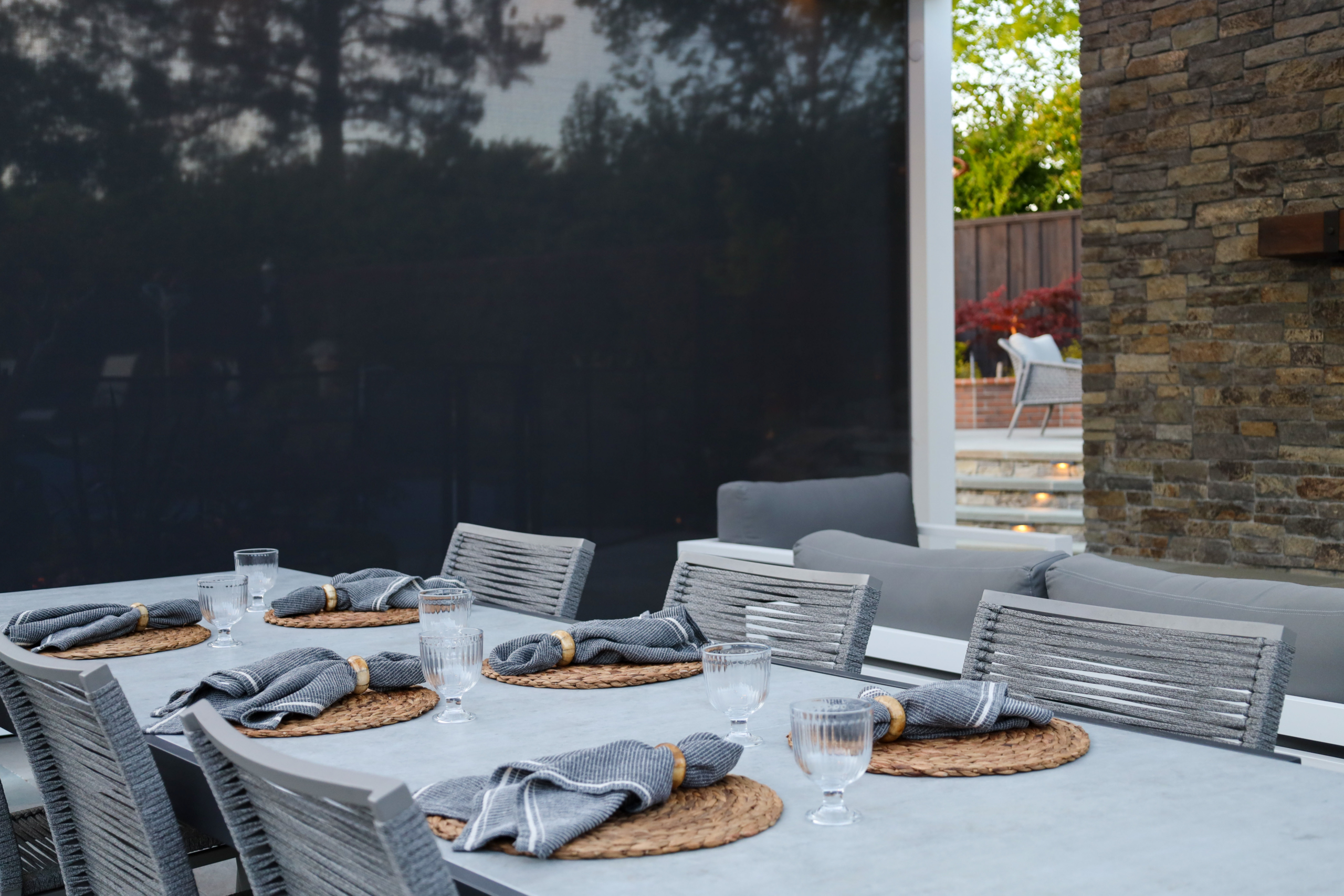
Some of the best meals of the year never happen in a restaurant. They happen at home, on a long summer evening, with the table set outside, the light turning gold over the hills, and no one in a hurry to leave. Grandchildren run between courses. Friends linger over one more glass. The dishes can wait.
Many clients tell us their outdoor dining space becomes one of the most used areas once a landscape is complete. When it’s designed well, it feels effortless: the table sits in soft evening light, the kitchen is just steps from the house, and the terrace is sheltered from the evening breeze. These thoughtful decisions shape every meal that follows. Good outdoor dining design starts with where the table sits in relation to the house, the sun, the wind, and the view. Shade, lighting, warmth, and planting then build around that decision so the space feels as comfortable at 9 p.m. in October as it does at noon in June.
Start With Placement: Where the Table Belongs
The most important decision in an outdoor dining space is also the first one: where it goes. We look at several things together:
- Connection to the indoor kitchen. Every trip between the house and the table should feel easy. A dining terrace a few steps from the kitchen door gets used on a Wednesday night. One at the far end of the yard gets used on holidays.
- Sun and shade across the day. An area that is pleasant at lunch can be uncomfortable at 6 p.m., when the low western sun hits directly at eye level. We study how light moves across the site through the seasons before committing to a location.
- Wind and microclimate. Bay Area evenings cool quickly, and many properties catch a steady afternoon breeze. A well-placed wall, hedge, or structure can make the difference between guests reaching for a sweater and guests heading inside.
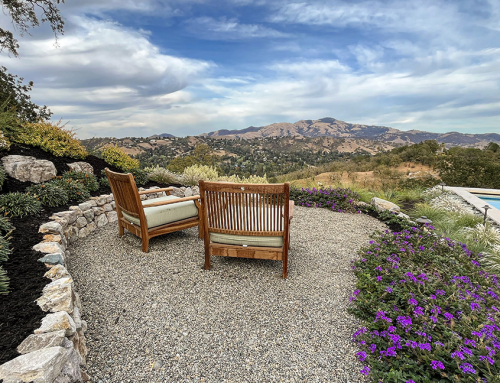
- Views and privacy. The best seat at the table should face something beautiful: a garden, a pool, or the long view from a hillside property. Neighbors’ windows and equipment should fall out of sight.
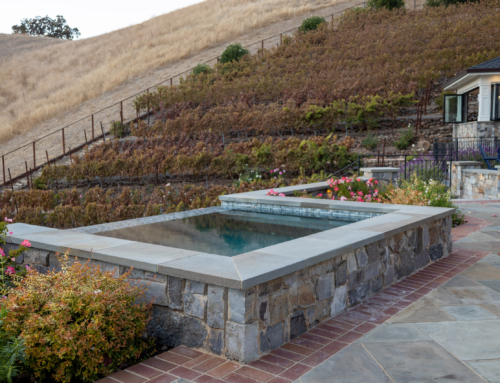
On sloped sites, placement also involves grading and retaining walls, since a level dining terrace often has to be created rather than found. We cover those considerations in depth in Designing for Hillside & View Properties.
Designing the Outdoor Dining Room
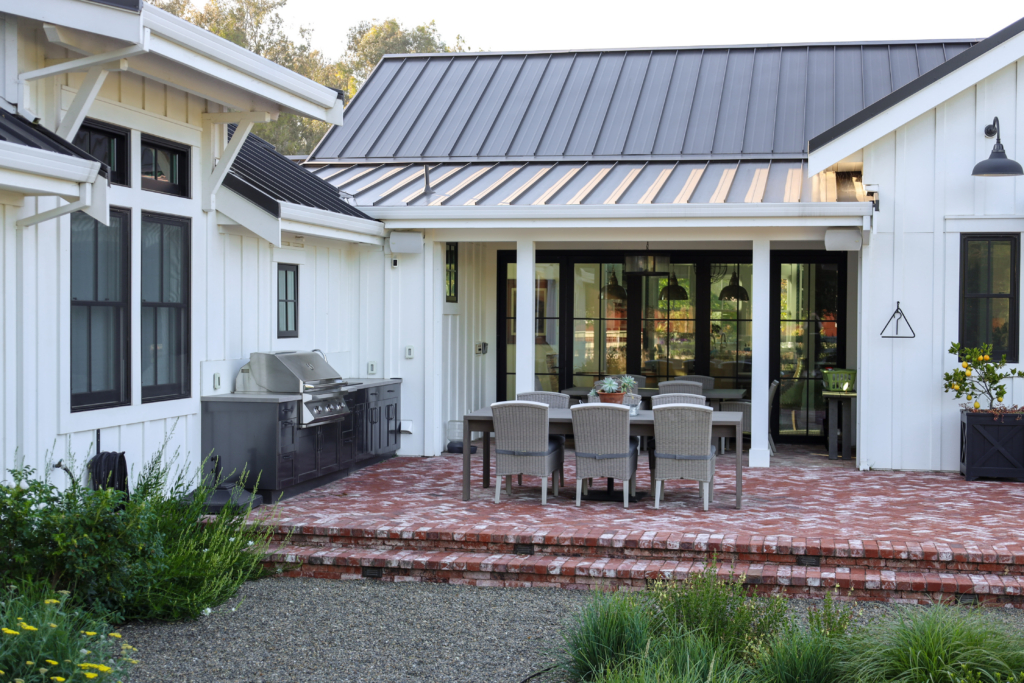
The dining spaces families love most feel like true rooms: defined, sheltered, and scaled to the way they gather. That comes from a few deliberate choices.
Size for how you actually entertain. A space for a family of four on weeknights is different from one that seats twelve for Thanksgiving or a milestone birthday. Many of our clients want both, which might mean an intimate table near the kitchen and a larger gathering terrace nearby, or a single space designed to flex.
Define the edges. Low walls, planting, a change in paving, or an overhead structure tell guests where the room begins and ends. That sense of enclosure is what makes a space feel intimate rather than exposed.
Plan the circulation. Guests, hosts, and serving trays all need clear paths that don’t cut through the middle of the table. The route from kitchen to table to lounge to fire feature should feel natural, the way it does in a well-designed home.
Choose materials for both beauty and daily life. Natural stone, porcelain pavers, and fine-textured paving need to look timeless, stay comfortable underfoot, and hold up to spilled wine and years of use. We select materials that relate to the architecture of the house so the dining room reads as an extension of the home.
Outdoor Kitchens: Bringing the Cook Into the Conversation
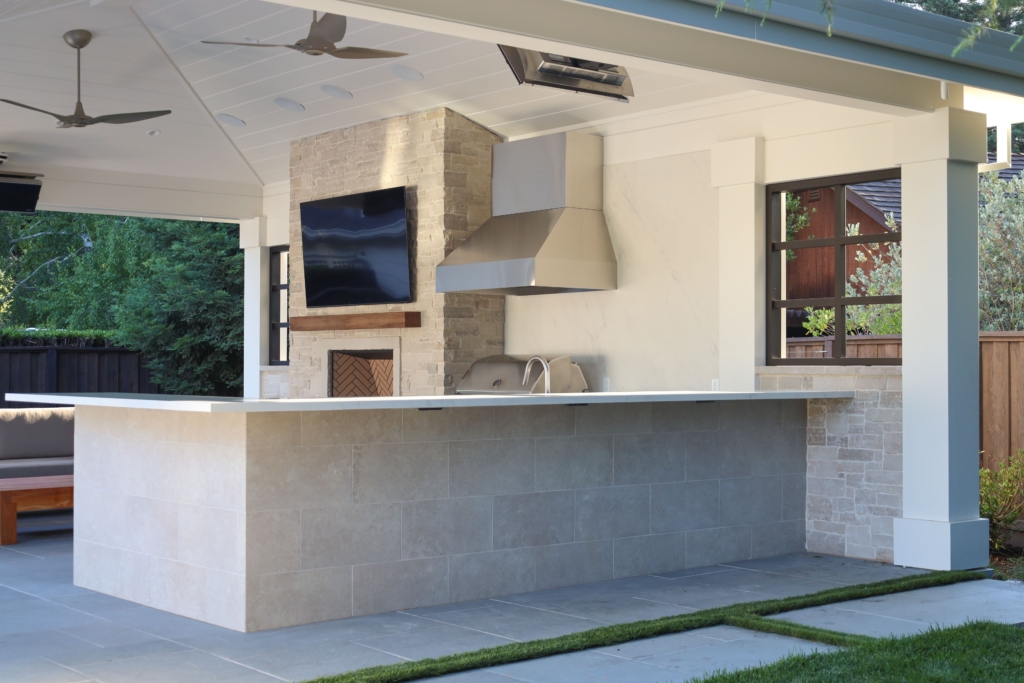
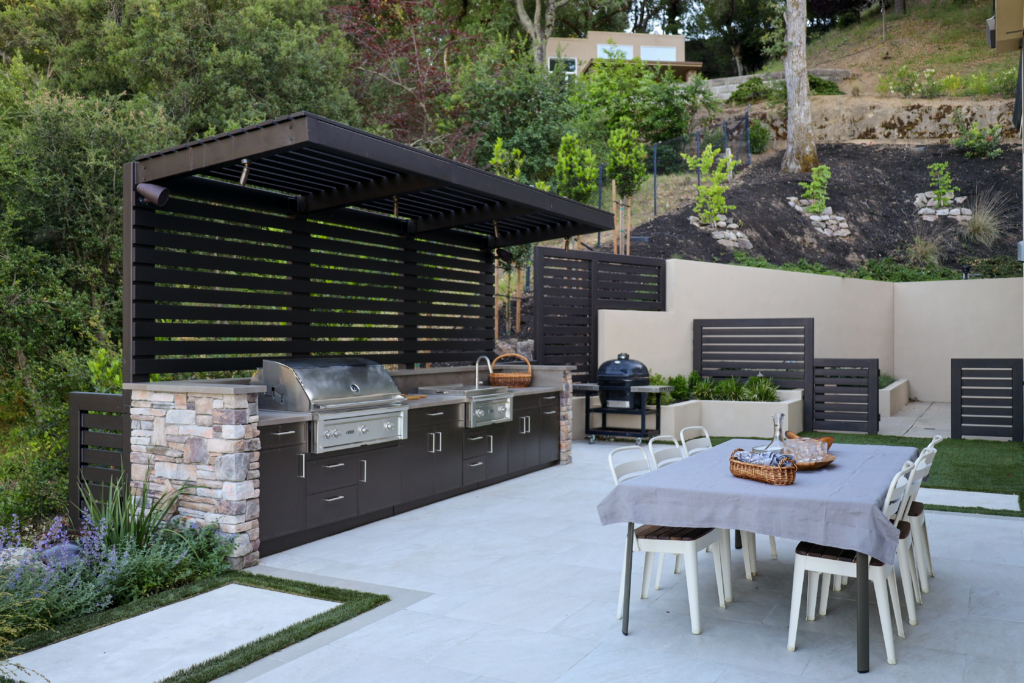
For many clients, the outdoor kitchen is the heart of the dining experience. Whether it is a built-in grill with generous prep space or a full kitchen with a pizza oven, refrigeration, and a bar, its placement matters as much as its equipment.
A well-designed outdoor kitchen lets the cook work comfortably and stay connected at the same time. As in most indoor kitchens, the grill, cooktop, or pizza oven usually sits along a back counter or beneath a vent hood, where smoke and heat are directed away from the table and the prevailing breeze. The connection comes from what surrounds it: a prep island or serving counter that faces guests, a bar where friends can pull up a stool, and a layout that keeps the cook within easy conversation distance of the table. With generous landing space right where it is needed, the cook can turn from the grill to plate, pour, and chat without ever feeling apart from the gathering.
Shade and Shelter: Pavilions, Pergolas, and Trellises
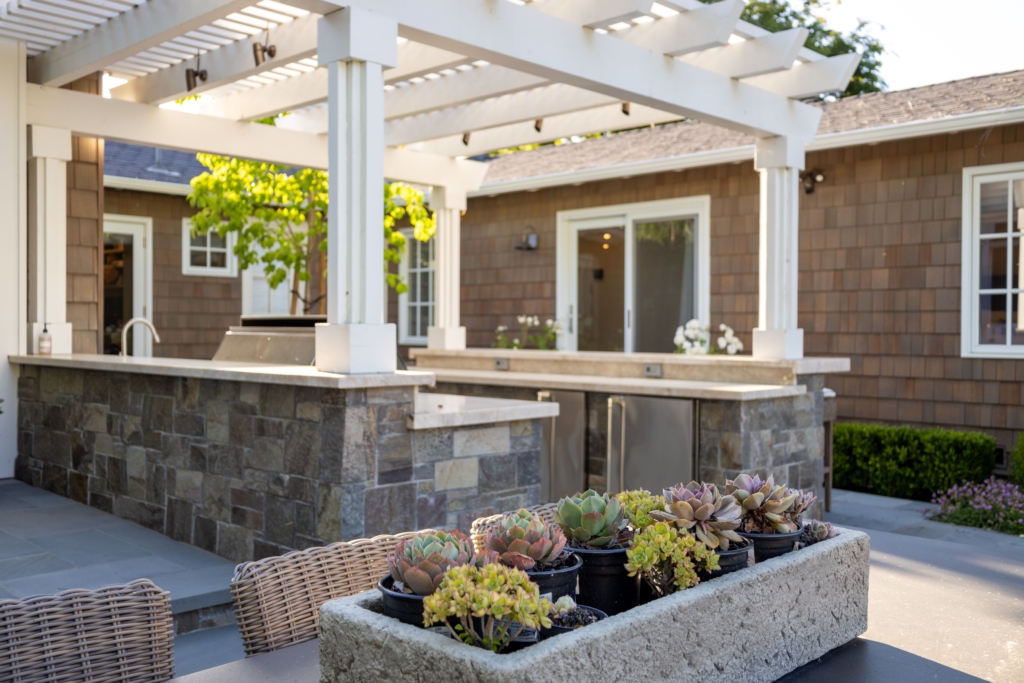
Shade turns an outdoor dining area into a space the family uses through the heat of summer, not just in the evenings. The right structure depends on the site, the architecture, and how the space will be used:
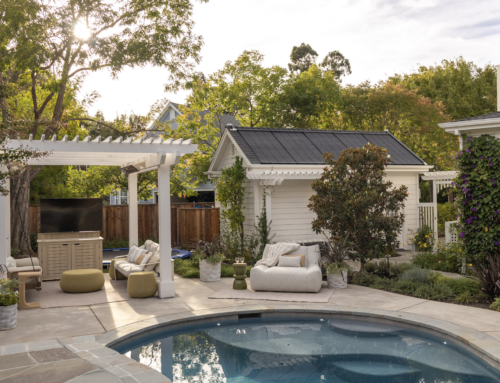
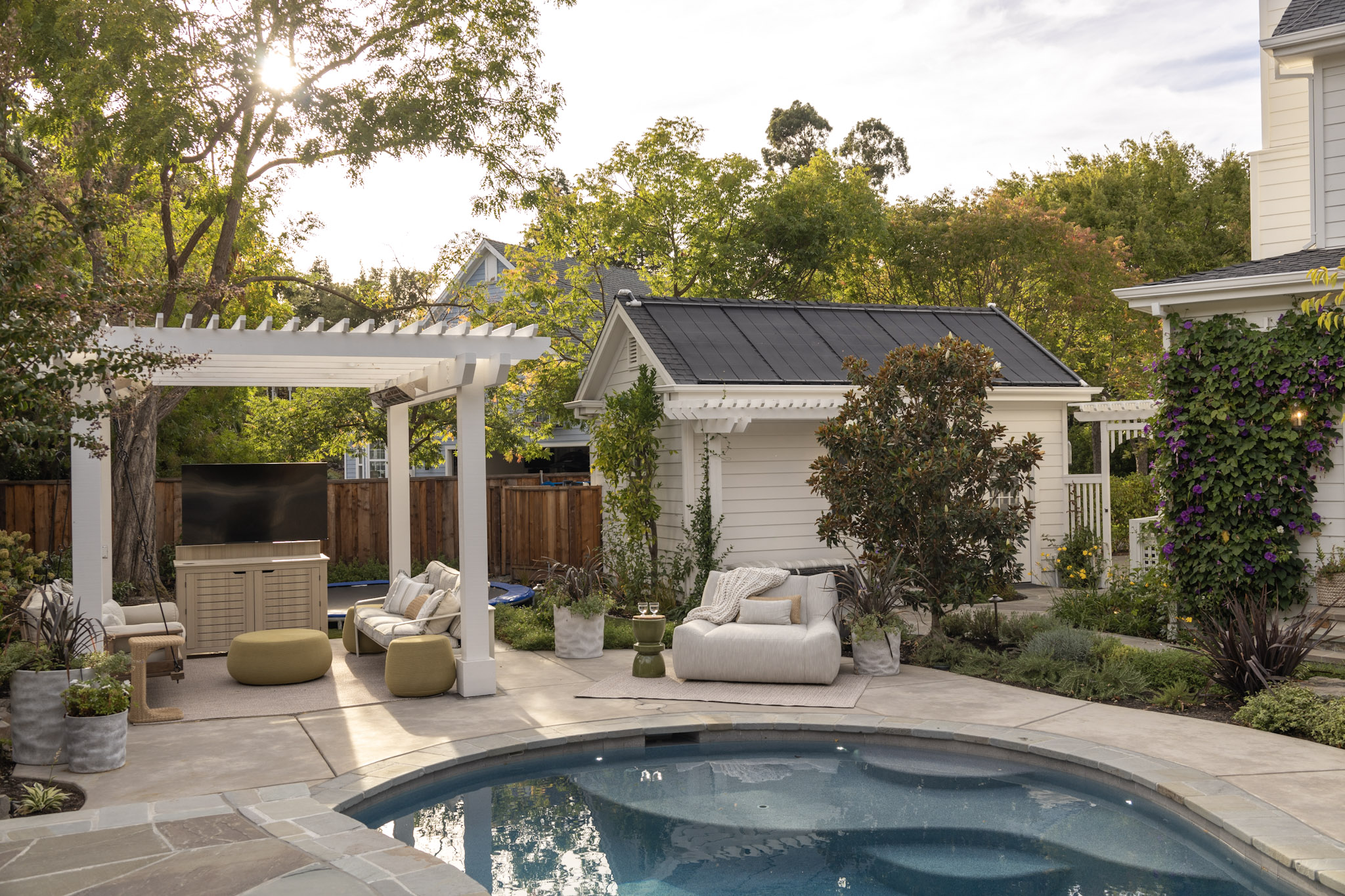
- Pavilions create a true outdoor room with a solid roof, often with ceiling fans, heaters, and lighting built in. They’re ideal for families who want to dine outside in almost any weather.
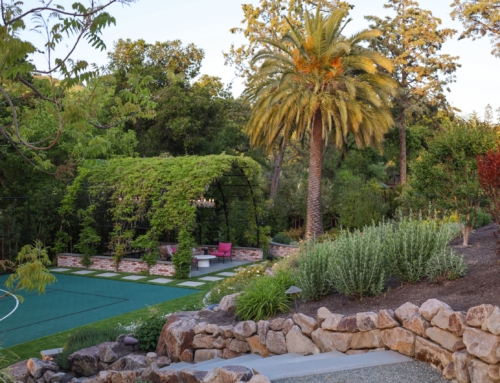
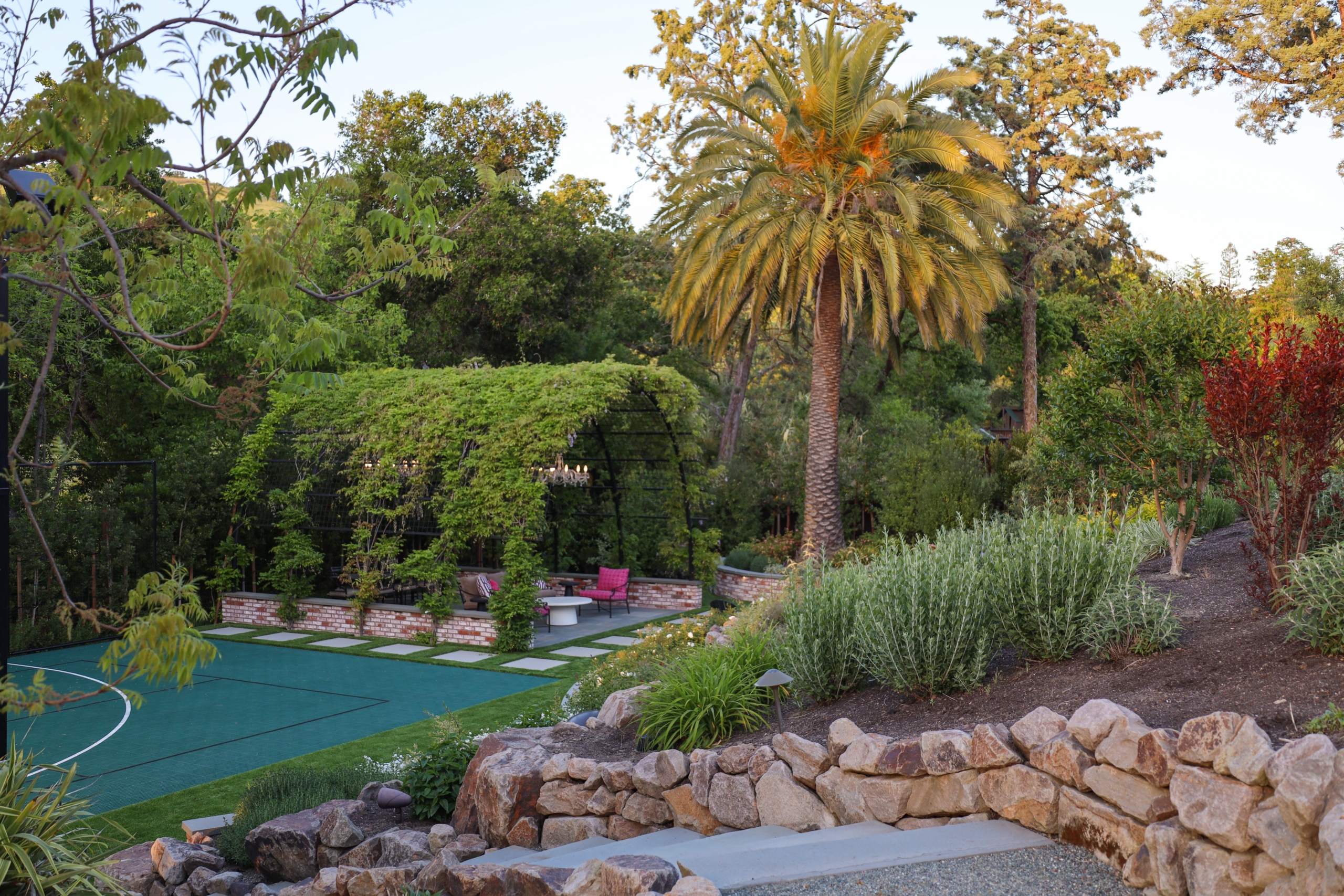
- Pergolas and trellises offer filtered shade and a sense of enclosure, especially when planted with wisteria, grapevines, or climbing roses.
- Mature and newly planted trees provide natural, seasonal shade. Existing specimen trees often become the anchor the dining space is designed around.
We often combine approaches: a covered pavilion near the kitchen with an open terrace beyond it for long evenings under the stars.
Lighting the Evening
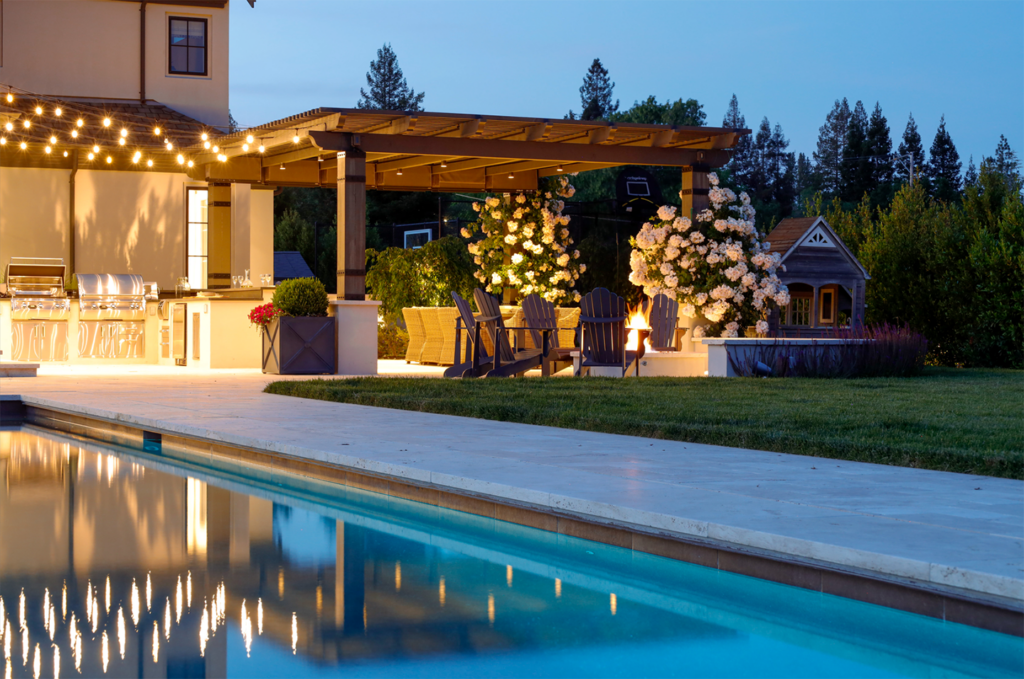
Lighting is what lets a dinner that started in daylight continue comfortably long after sunset. Layered landscape lighting creates the warm, restaurant-quality ambiance clients love:
- Ambient light from overhead fixtures, string lights, or lighting integrated into a pergola or pavilion
- Task light at the outdoor kitchen and serving areas
- Accent light on nearby trees, walls, and planting so the garden stays part of the view after dark
- Path and step lighting so guests move safely between spaces
Lighting can also be integrated into smart-home controls for simple, scene-based settings. We explore that in Smart Landscape Design.
Warmth for Year-Round Dining
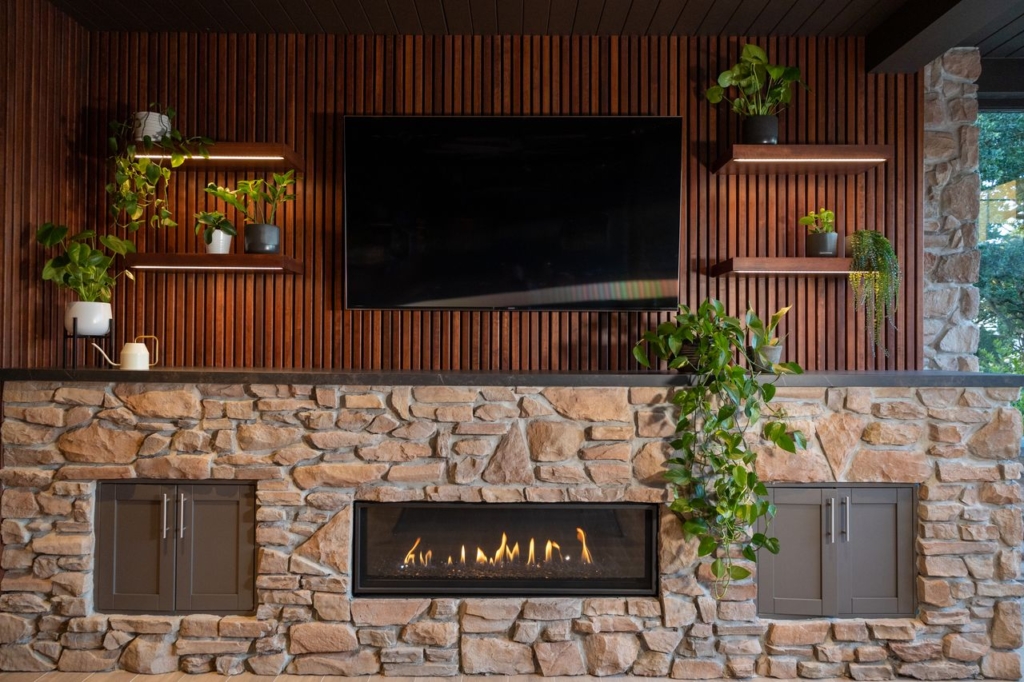
Bay Area evenings cool quickly, even in summer. Thoughtfully placed warmth extends both the evening and the season:
- Fire pits and fireplaces positioned so the dinner table flows into after-dinner conversation
- Integrated overhead heaters within a pavilion or pergola, where they stay out of the way and out of sight
- Wind protection from walls, hedges, or glass screens, which often does more for comfort than heat alone
With the right combination, many of our clients dine outside well into the fall.
From Garden to Table
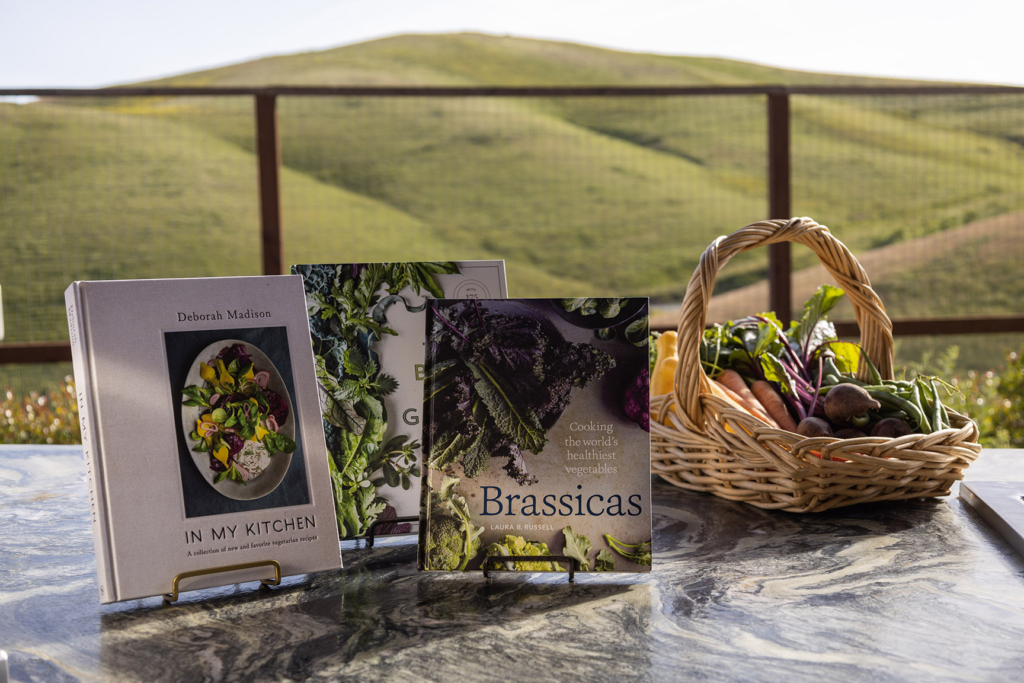
Some of the most memorable outdoor meals start in the garden itself. A kitchen garden with raised beds, an herb border near the grill, or a few citrus and olive trees brings seasonal, just-picked ingredients within steps of the table. It also gives grandchildren and young children a place to help, learn, and harvest.
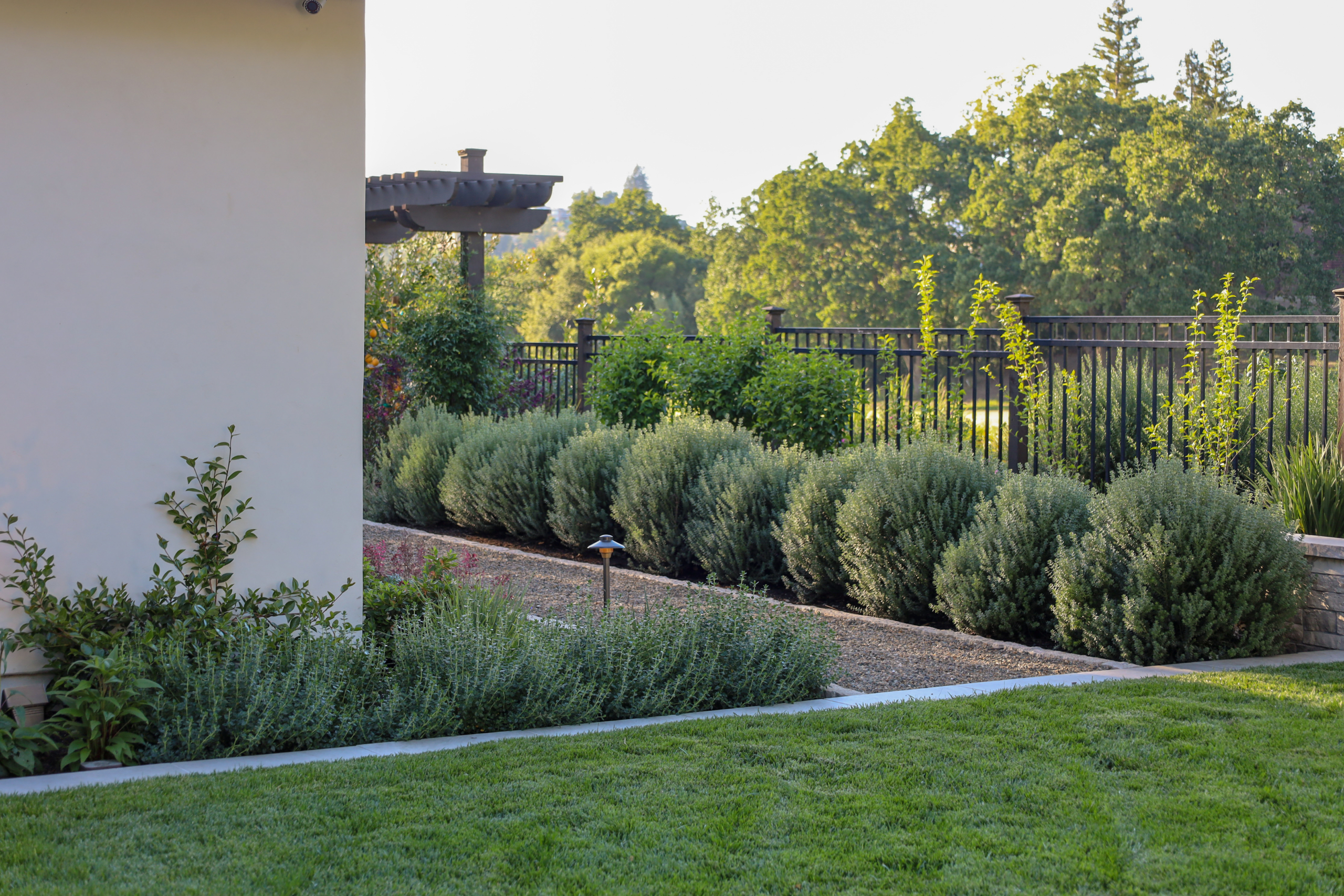
Planting also shapes the feel of the dining room. Fragrant plants like lavender, rosemary, and jasmine near the table add a sensory layer that makes an evening memorable, and layered planting softens walls and screens unwanted views. Plant selection should suit the property’s specific climate zone. Our guide to Understanding Bay Area Planting Zones covers how that shapes what thrives where.
The most memorable outdoor dining spaces are never the result of a single feature. They come together when every element works in harmony: a table placed to catch the best light and the view, a kitchen that keeps the cook connected to the conversation, shade for long afternoons, layered lighting and warmth for evenings that stretch well past sunset, and a garden that brings the season right to the table. When those pieces are designed as one, dining outdoors stops feeling like an occasion and becomes a natural part of everyday life at home, whether that’s a quiet Tuesday dinner for two or a holiday feast with the whole family.
Great design is ultimately about the moments it makes possible: the long table set for family, the dinner that runs late because no one wants it to end. If you’re imagining an outdoor dining space where your family and friends gather for years to come, contact our studio to talk possibilities!