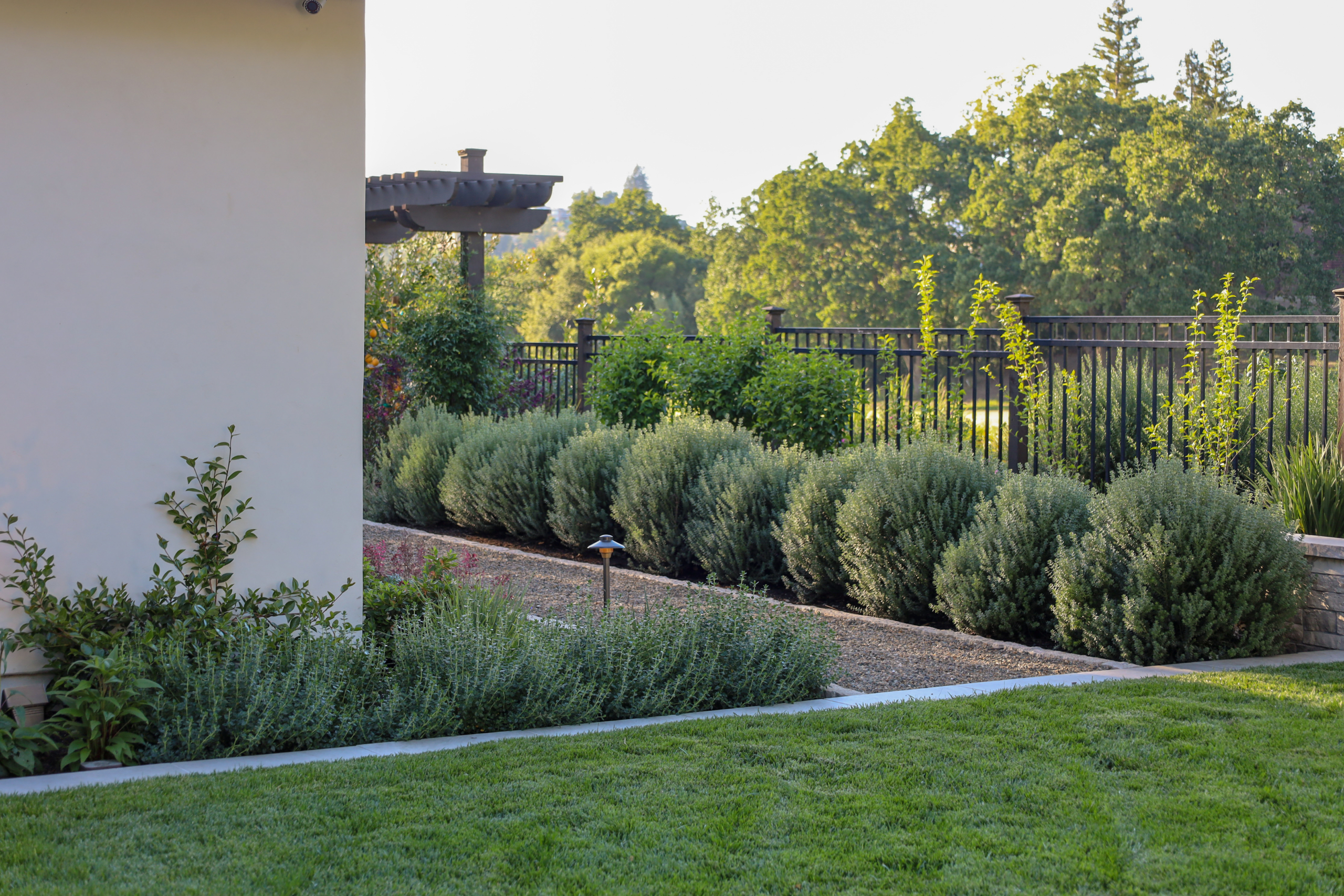
The Night Garden: Luxury Landscape Lighting Design for Bay Area Homes
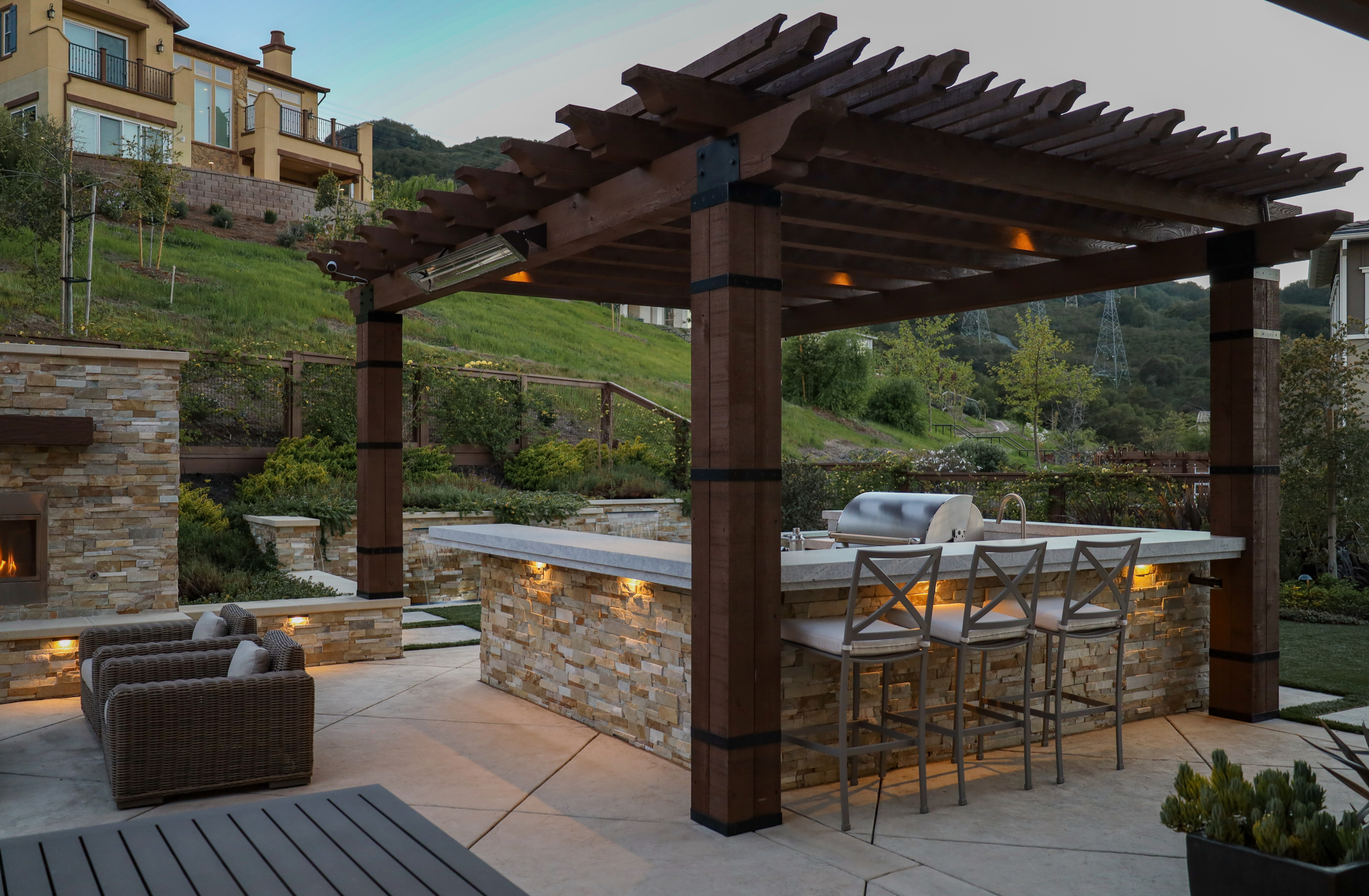
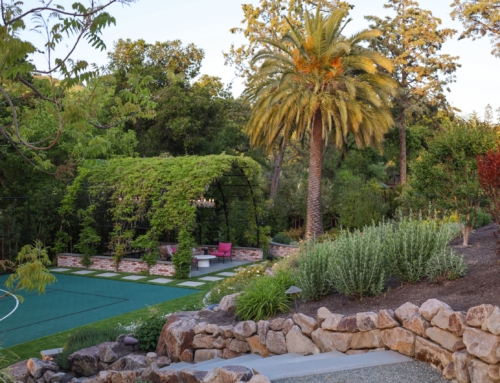
It’s easy to imagine a landscape only by the light of the sun. After all, that is when we see it most clearly. But some of the most memorable experiences within a landscape happen after dark, when lighting begins to shape atmosphere, guide movement, and draw attention to the elements that matter most. In thoughtfully designed residential landscape architecture, not every feature should be illuminated equally. A well-designed lighting plan establishes hierarchy through layers of primary, secondary, and accent lighting, allowing focal moments such as gathering spaces, specimen trees, architectural transitions, and outdoor living areas to stand out while quieter portions of the landscape recede into shadow. The result is not simply a brighter landscape, but one that feels intentional, comfortable, and inviting at night. At Montgomery Robbins, Inc., we integrate lighting into the larger master plan for Bay Area and Northern California homes so outdoor spaces remain functional, elegant, and enjoyable long after the sun has set.
Landscape Lighting for Outdoor Living and Nighttime Use

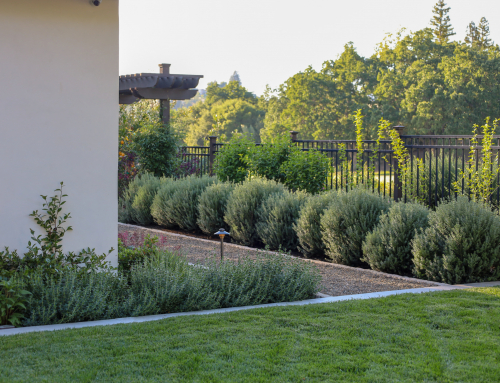
We are not afraid of the dark, but navigating a landscape at night should still feel comfortable, intuitive, and safe. In residential landscape architecture, lighting plays an important functional role by helping guide movement through pathways, stairs, transitions, gathering areas, and changes in elevation while maintaining a warm and understated atmosphere. Thoughtfully integrated lighting also extends how a property can be used after sunset, supporting everything from outdoor dining and entertaining to quiet evenings beside the pool or patio. Depending on how each space is intended to function, lighting may be layered differently throughout the landscape. Soft pathway illumination can help direct circulation without overwhelming the garden, while accent lighting around outdoor kitchens, bars, seating areas, fountains, spas, or architectural elements creates focal moments that encourage people to gather and linger long into the evening. In high-end residential landscape architecture, restraint is often just as important as illumination itself. Rather than over-lighting every corner of the property, a well-designed lighting plan integrates seamlessly into the overall landscape design, creating depth, atmosphere, and usability while allowing the landscape to retain a sense of calm and softness after dark.
Respecting the Night Sky Through Thoughtful Landscape Lighting
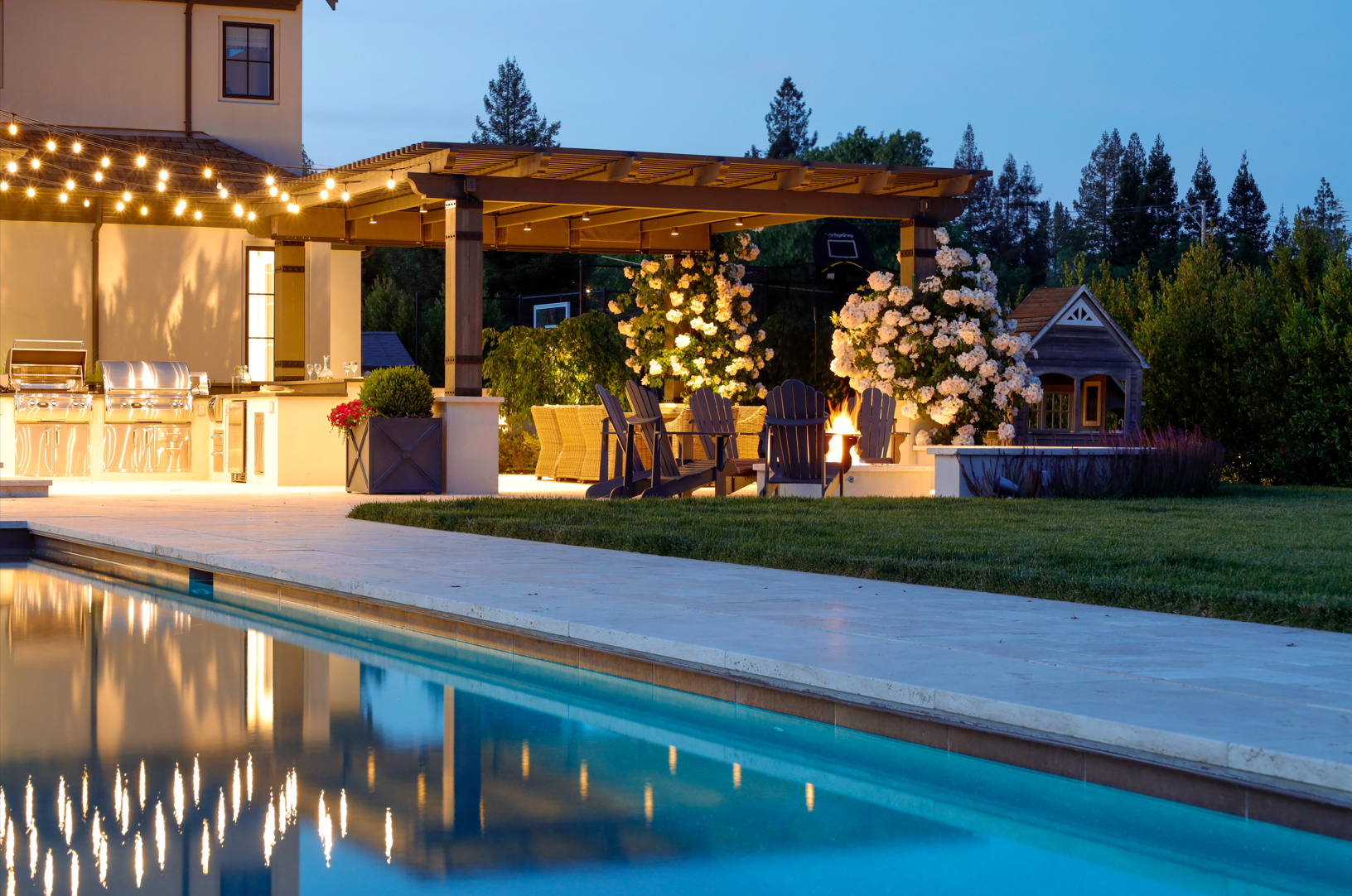
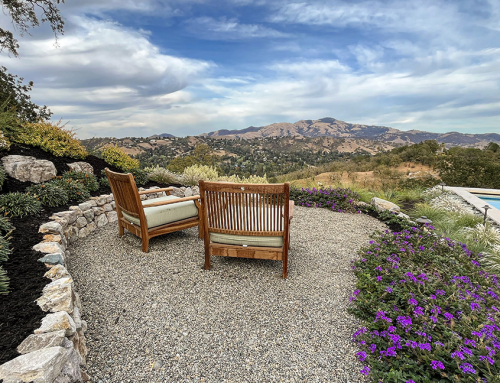
In some areas of the East Bay and throughout Northern California, particularly near open space, hillside properties, or environmentally sensitive areas, outdoor lighting may be subject to Dark Sky regulations intended to reduce light pollution and protect nocturnal wildlife. These guidelines also preserve one of the most overlooked luxuries in residential landscape architecture: the ability to experience the night sky itself. Thoughtful landscape lighting is not about making a property uniformly bright, but about using illumination selectively and with intention. In well-designed residential landscapes, lighting hierarchy, fixture placement, beam spread, and overall light levels are carefully considered to create safety, usability, and atmosphere without overwhelming the surrounding environment. Shielded fixtures, focused illumination, and restrained lighting levels help pathways, outdoor living areas, pools, and architectural features remain functional and inviting while minimizing glare and visual harshness. At Montgomery Robbins, Inc., lighting is integrated into the broader landscape design so the property feels cohesive, comfortable, and visually calm after dark while still respecting the surrounding natural environment.
The Fire Element in Night Landscape Design
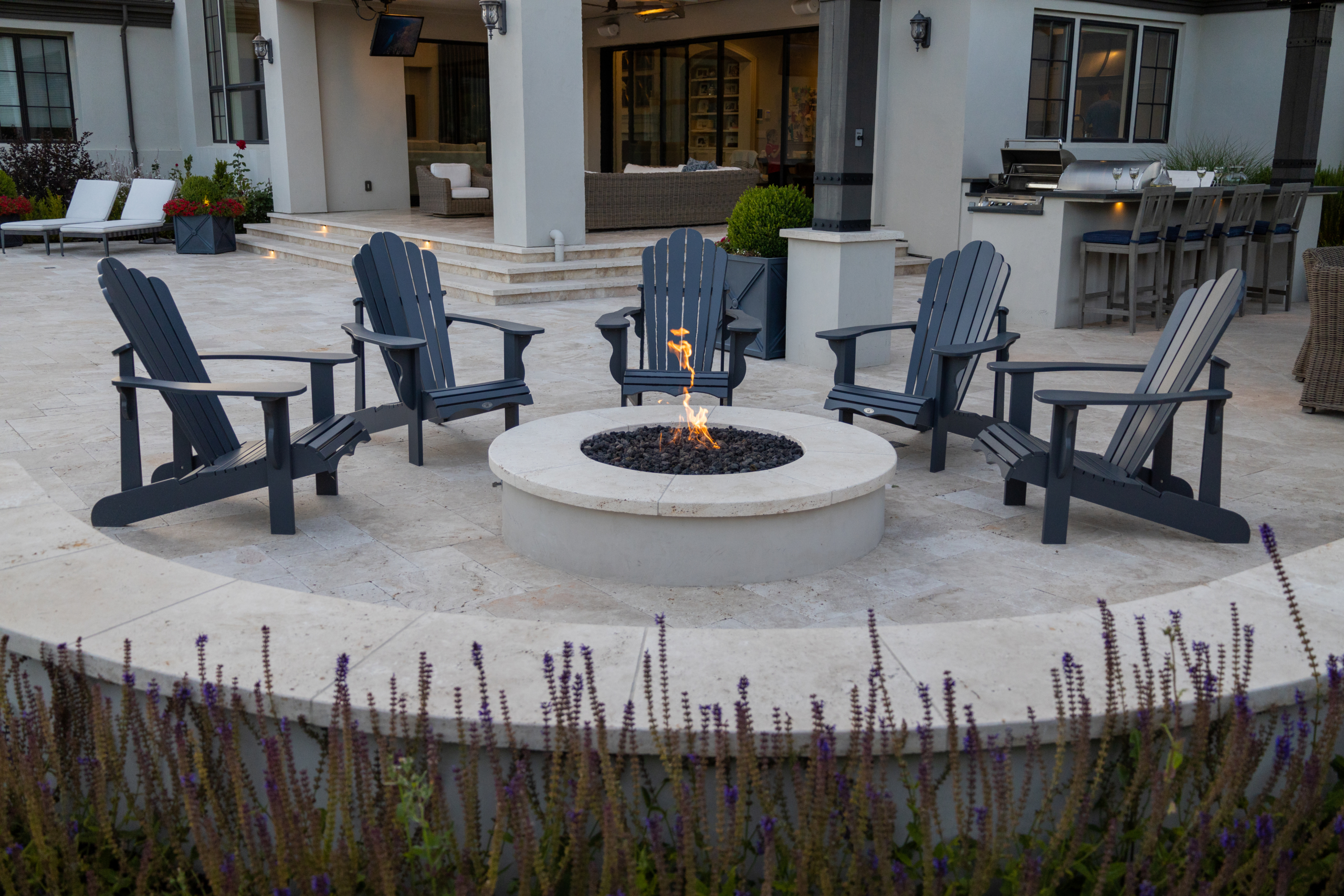
Fire has long been one of the most compelling gathering elements within residential landscapes, bringing warmth, movement, and atmosphere to outdoor spaces after dark. In luxury residential landscape architecture, fire features are often used to create focal moments within the broader nighttime experience, helping outdoor living environments feel inviting, comfortable, and active well into the evening. Whether integrated into an outdoor lounge, dining area, pool environment, or covered structure, fire introduces both visual warmth and functional usability that encourages people to gather naturally around it.
As outdoor living has become increasingly important throughout the Bay Area and Northern California, the design possibilities for fire features have expanded significantly. Depending on the character of the property and how the space is intended to function, landscapes may incorporate anything from linear gas fireplaces and modern fire tables to traditional firepits or custom architectural hearths. While gas systems offer convenience and ease of use, many homeowners still appreciate the sensory experience of a traditional wood-burning fire, including the sound, scent, and rhythm it brings to the landscape.
In thoughtfully designed night landscapes, fire is rarely treated as an isolated feature. At Montgomery Robbins, Inc., fire elements are integrated into the larger master plan alongside lighting, circulation, seating areas, structures, and surrounding planting so the space feels cohesive both visually and experientially. The result is not simply a place to sit outdoors after sunset, but an outdoor environment designed to support relaxation, conversation, entertaining, and everyday living long after the sun has gone down.
Using Shadow, Contrast, and Depth in the Night Landscape
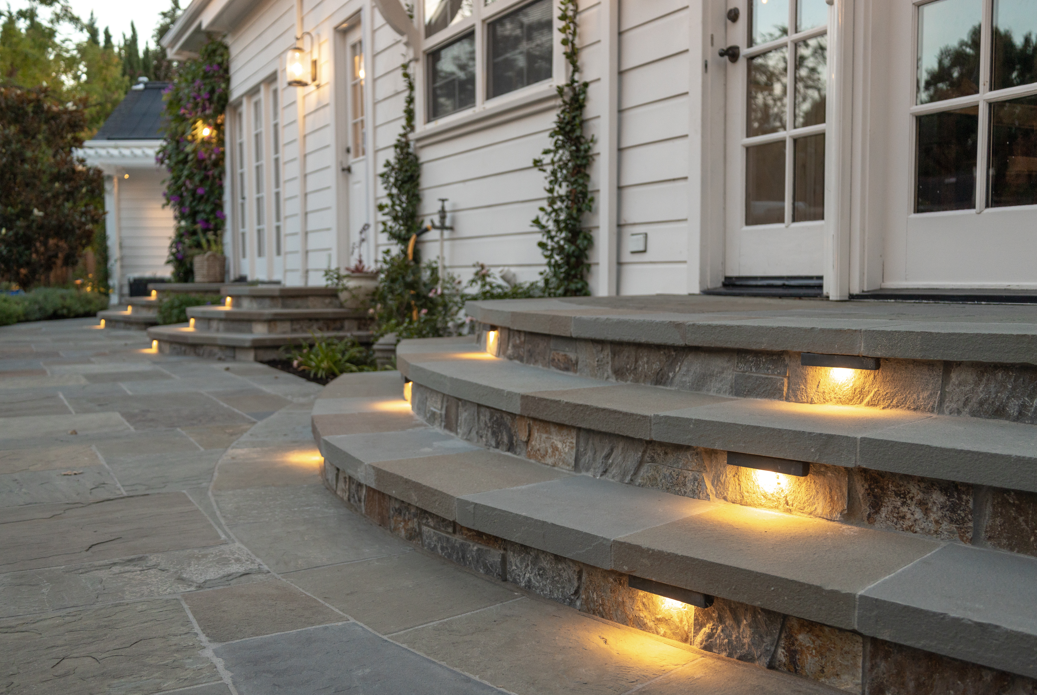
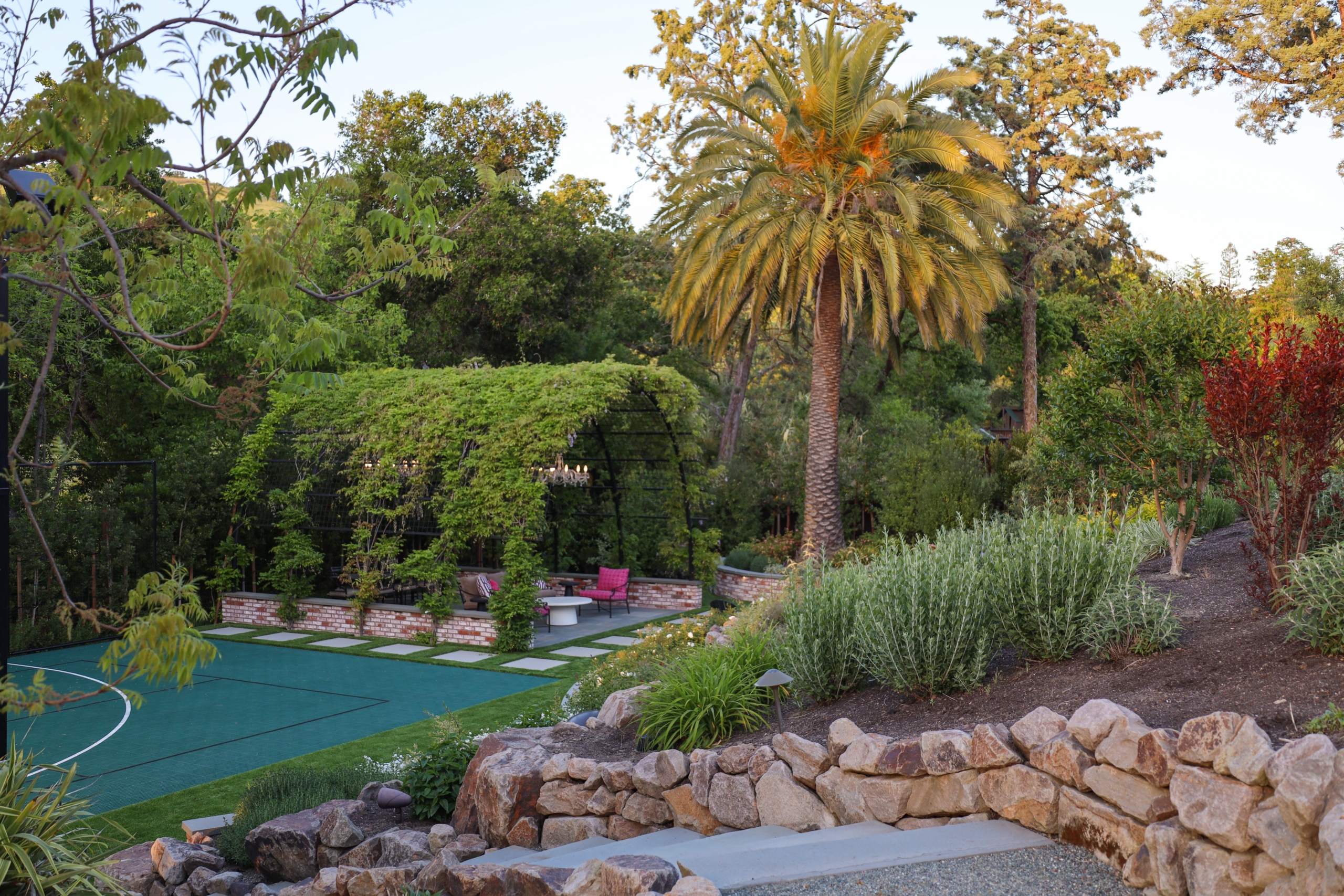
Effective nighttime landscape design is not created through brightness alone. Shadow and contrast play an equally important role in shaping atmosphere, depth, and visual calm throughout the landscape. In thoughtfully designed residential environments, not every feature is illuminated equally or all at once. Allowing portions of the garden to recede into darkness creates visual rhythm and helps focal elements such as specimen trees, architectural transitions, fire features, or gathering spaces feel more intentional and impactful. In high-end residential landscape architecture, restraint is often what gives a night landscape its sense of elegance, allowing light, shadow, texture, and form to work together to create a layered and immersive outdoor experience after dark.
Pools, Spas, and Smart Lighting After Dark
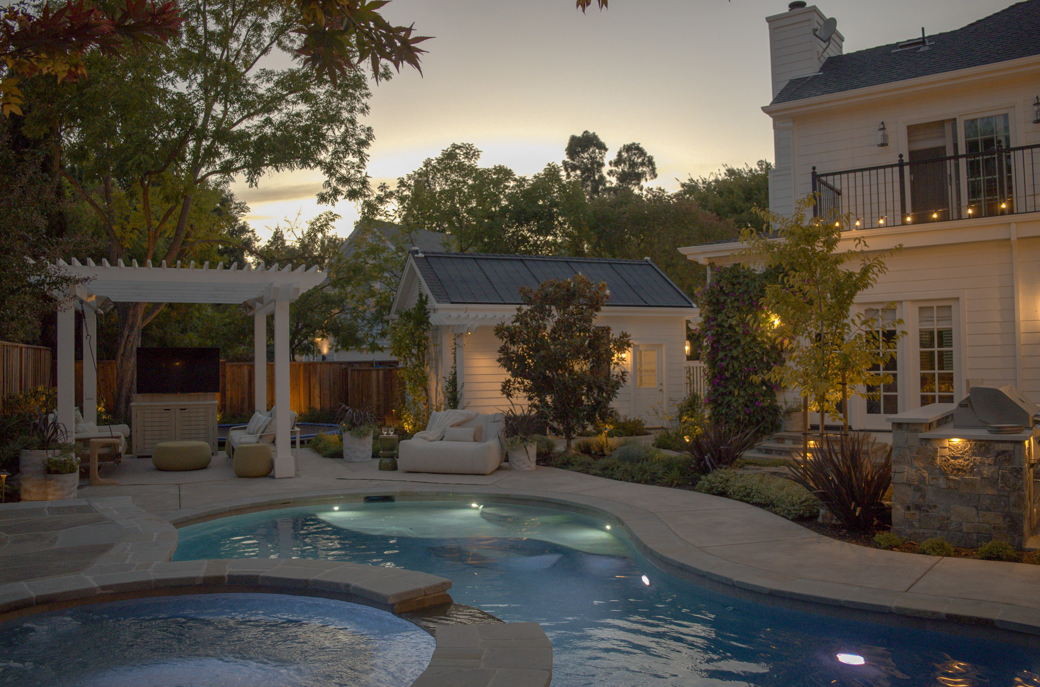
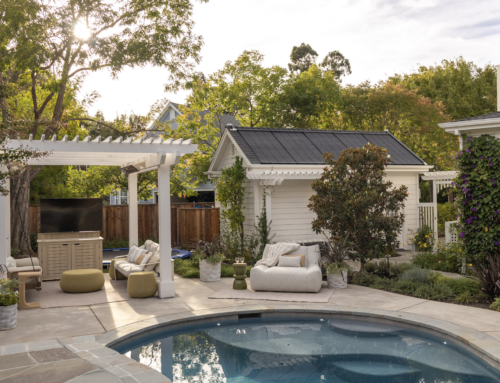
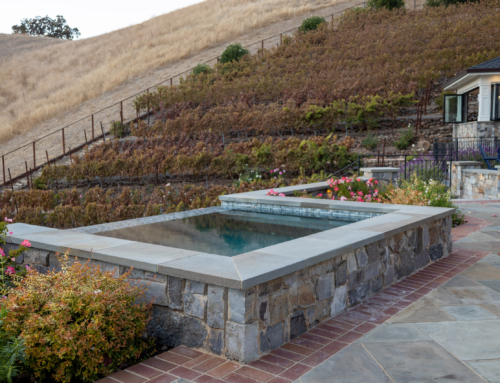
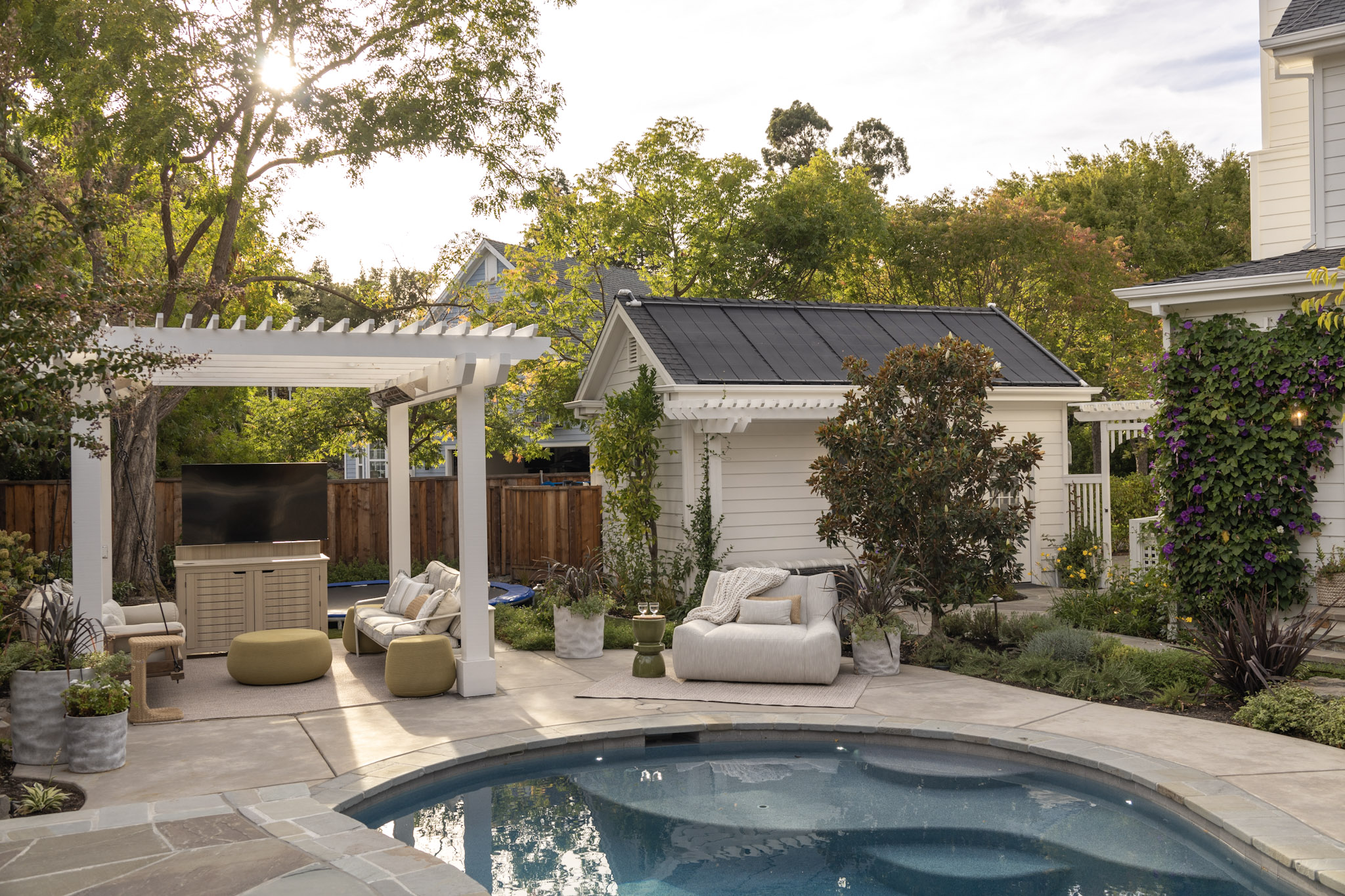
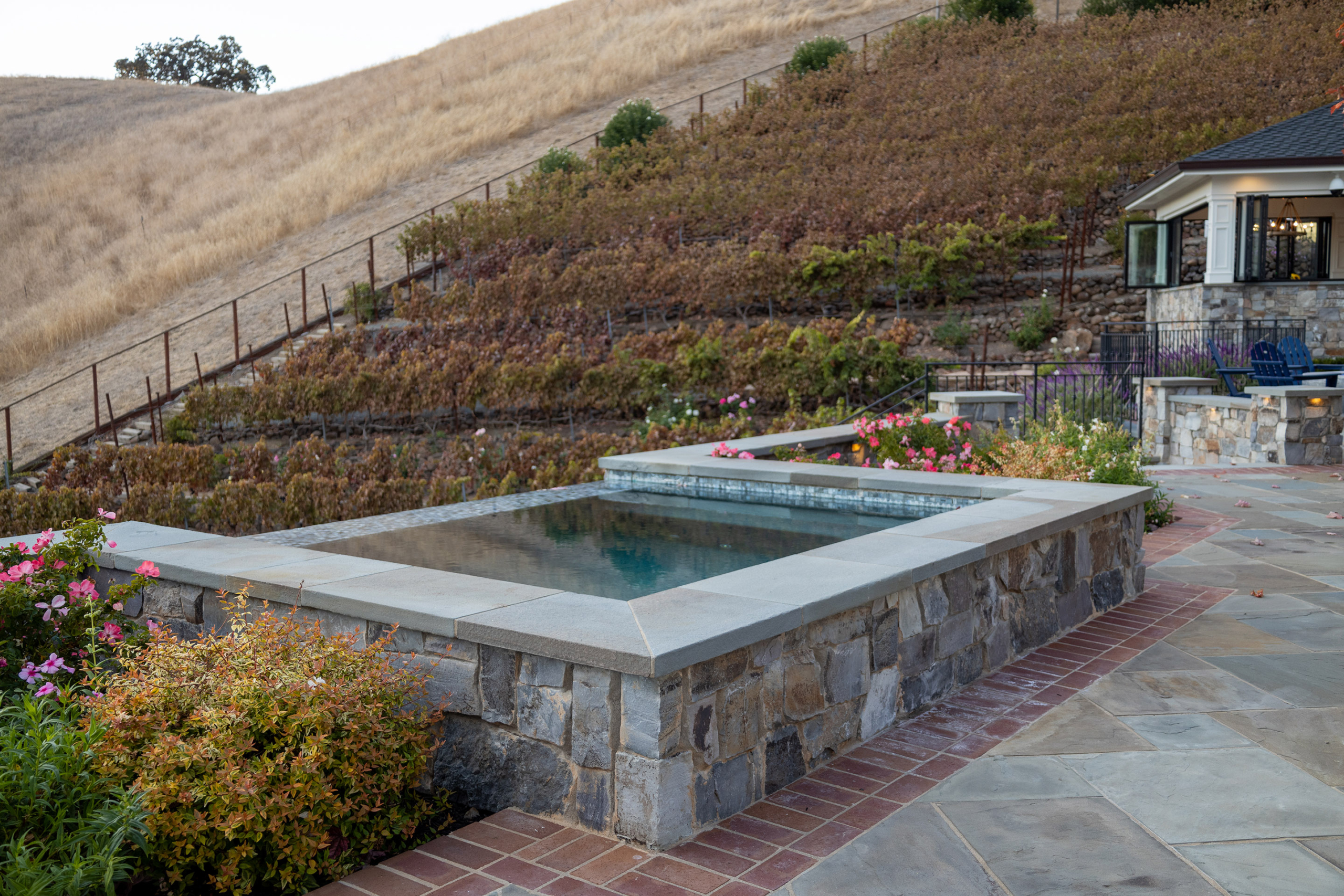
Pools and spas often become focal elements within the nighttime landscape, introducing reflection, movement, and atmosphere to outdoor living environments after sunset. In thoughtfully designed residential landscapes, pool and spa lighting is carefully layered to support both usability and ambiance while maintaining a calm and refined nighttime experience. Underwater illumination, subtle perimeter lighting, and focused accent lighting around adjacent seating areas, structures, or planting can help define the space without overwhelming it visually. Reflections across the water surface also introduce depth and softness that contribute to the overall atmosphere of the landscape at night.
In luxury residential landscape architecture, pool and spa lighting is not treated as an isolated feature, but as part of a larger lighting hierarchy integrated throughout the property. At Montgomery Robbins, Inc., lighting systems are designed to work cohesively with pathways, outdoor living spaces, fire features, architectural elements, and surrounding planting so the entire landscape feels connected after dark. Many modern outdoor lighting systems can also be integrated with smart controls and app-based technology, allowing homeowners to adjust lighting levels, create customized evening settings, automate schedules, and manage different areas of the property with ease.